Top-rated bird control service pros.

Get matched with top bird control service pros in Paducah, KY

Enter your zip and get matched with up to 5 pros

Need a pro for your bird control service project in Paducah, KY?

Select your specific project to find the pro for you.

TRUSTED BY PADUCAH, KY HOMEOWNERS

  • Average homeowner rating star icon4.8
    Average homeowner rating
  • Verified reviews icon32
    Verified bird control services reviews

Find Bird control service pros in Paducah

Avatar for Terminix® Pest Control
Terminix® Pest Control
4.0(
5
)
Pest Control - Birds and Bats - For Business

Serving Paducah, KY and surrounding areas

Approved

In business since 1927

Free estimates

Warranties offered

"Very knowledgeable guy who seem to know what he’s doing. Don’t know results of spraying. Have had much rain since. Will have to see if it worked. Terminex will spray again the beginning of next month."
My jobs
My jobs
My jobs
My jobs
My jobs

+2

63 neighbors recently requested a quote
Bird Control questions, answered by experts

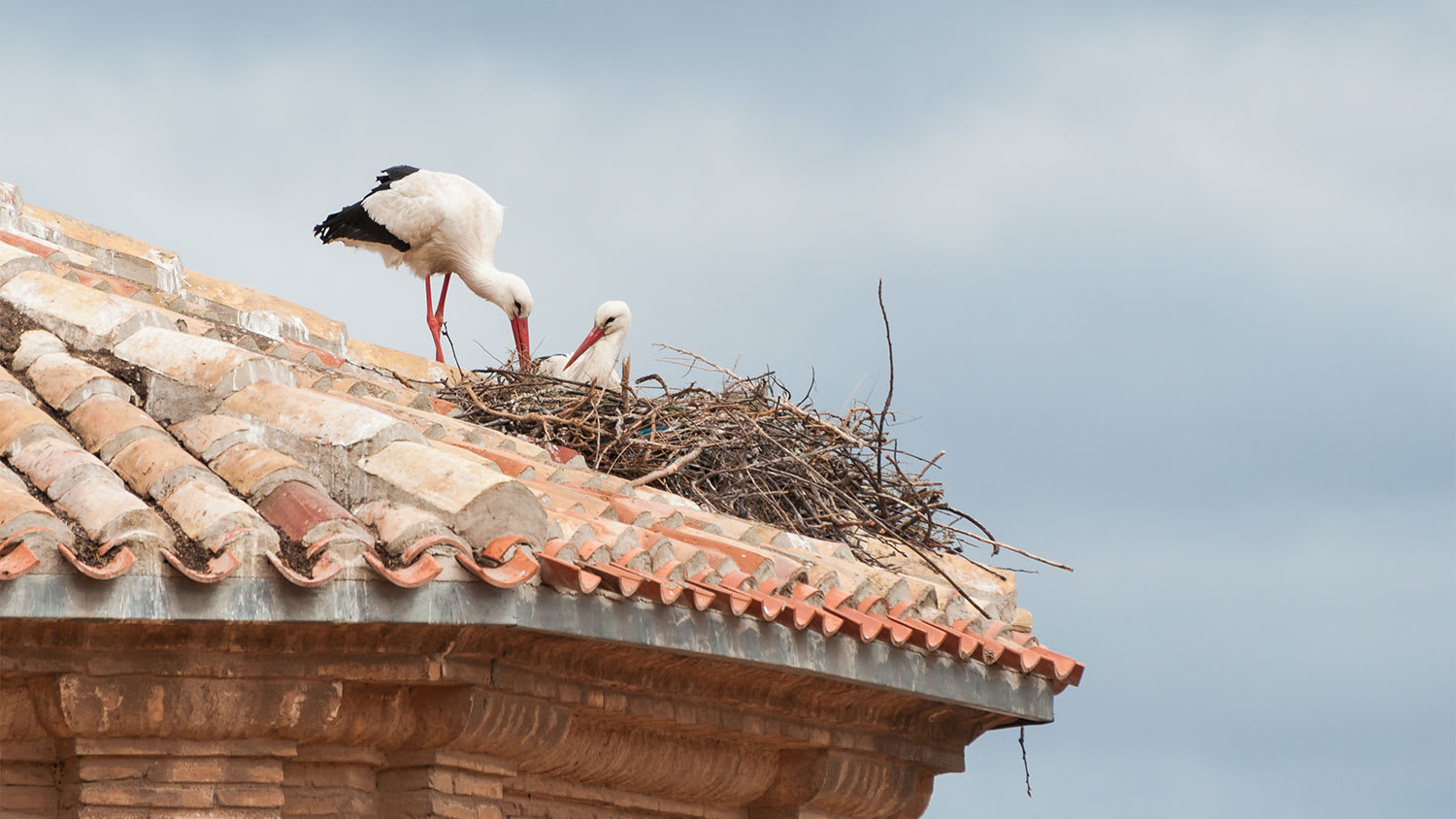
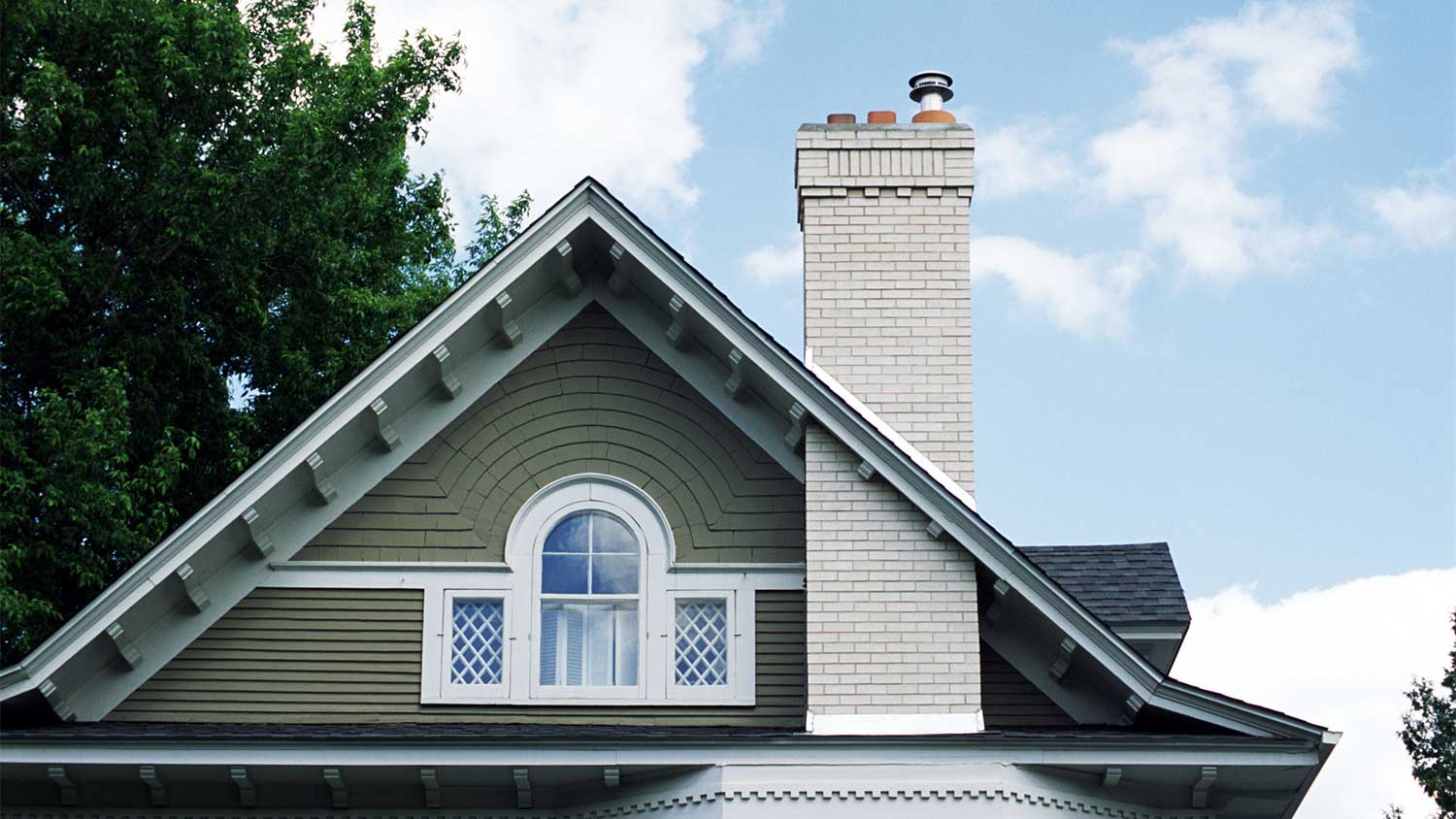
Popular nesting areas outside of a home include eaves, porches, gutters, and chimneys. However, some birds can make their way into your attic or ventilation systems. A reputable removal service will inspect your home's interior and exterior for any evidence of roosting and nesting birds while they prepare to remove them.

DIY animal removal is rarely a good idea and is not advised for many reasons. First, these types of animals can carry diseases and, therefore, pose a health risk to you, your family, and your pets if mishandled. Second, depending on your city or municipality, it may be illegal to remove or handle wildlife yourself. 

Sealing your home against these animals yourself is also a bad idea. Trapping an animal under your house will cause odor and insect problems when it passes away. 

When woodpeckers start banging on your walls or roof, they are probably looking for insects to eat, storing nuts for winter, drilling a hole to make a nest, or communicating with other birds to establish territory or find a mate.

The size of the hole can help determine the reason for the pecking. Small irregular holes are a result of insect hunts. Acorn holes are more consistently sized and often fitted with a nut in the middle. Nest holes are large and have rounded edges. If the bird is pecking to mark its territory or attract a mate, it may leave dents rather than holes, and the noise will stop when the mating season starts in spring.

Using audio and visual methods to discourage birds might work initially, but birds tend to acclimate to them over time. While chemical deterrents can show some effectiveness, their results can be inconsistent. Some may dissipate too quickly, and there's a risk they might cause unintended damage to your surroundings. Additionally, birds might become immune or resistant to the impact of such treatments.

An owl's worst enemy in the wild is often other raptors and environmental factors. Among the avian threats, larger owls or other birds of prey can pose a danger, engaging in territorial disputes or competing for food resources. Terrestrial predators like foxes, raccoons, and larger mammals may target owl nests or young fledglings. Environmental factors like severe weather conditions, habitat loss, and food availability changes can also significantly impact owl populations.

The Paducah, KY homeowners’ guide to bird control services

From average costs to expert advice, get all the answers you need to get your job done.