









Top-rated deck maintenance specialists.

Get matched with top deck maintenance specialists in Manchester, KY

Enter your zip and get matched with up to 5 pros

Need a pro for your deck maintenance project in Manchester, KY?

Select your specific project to find the pro for you.

Find Deck maintenance specialists in Manchester

Avatar for S&K Construction
S&K Construction
3.7(
3
)
Deck, Fence, Patio or Porch - Clean and SealDeck, Fence, Patio or Porch - Clean and Seal - For Business

Serving Manchester, KY and surrounding areas

"Excellent. Professional, great work. He quoted the job and schedule and met both with great results. I’m already scheduling him for my next job, putting a cover over my existing patio. I’d 100% recommend Joe and his crew."
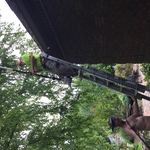
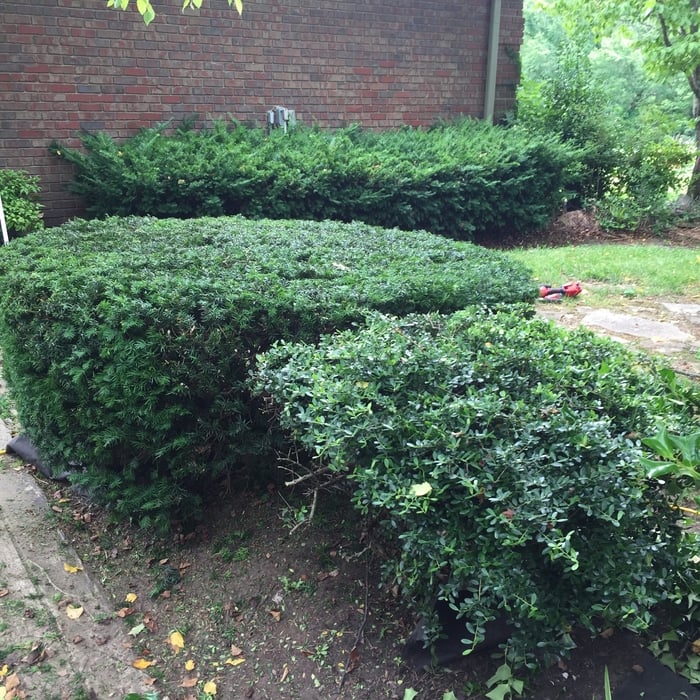
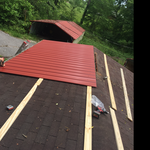
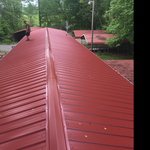
Additional Photos
Additional Photos
Additional Photos
Additional Photos
Additional Photos

+3

Recommended by100%of homeowners

Showing 1-10 of 29
Deck Maintenance questions, answered by experts

Yes, an elevated deck can increase a home's resale value. Homeowners can expect a 65% return on investment from the cost of a second-story deck installation. For example, if you spend $5,000 to install a second-story deck, that deck will add $3,250 to the value of your home.

Both deck footings and deck posts help prop up your deck. However, footings are the bottommost parts of a deck that touch the ground. They’re usually made of concrete. Posts are pieces of wood that attach to the top of the footings with brackets. They run upwards and connect to the underside of your deck to support its weight.

The best base materials for a ground-level or floating deck are typically gravel and crushed stone (also known as landscaping rocks). These options are inexpensive, provide excellent drainage, prevent weeds, and help minimize moisture buildup, which reduces shifting and rotting. For added stability and to evenly distribute the weight, you can use concrete deck blocks or pavers. While more expensive, concrete blocks and pavers offer a sturdier base than gravel or crushed stone alone.

To prepare a deck for a hot tub, start by thinking about safe and easy access in and out of the tub. Homeowners should plan for steps or consider built-in seating, a level surface around the perimeter, and a clear, slip-resistant path from the house. A hot tub requires sufficient space around it for comfortable entry and exit, ensuring no awkward squeezing or stepping over high edges. Good lighting and handrails can also make a big difference, especially for nighttime use.

The best direction for a gate to swing depends on its location and purpose, but swinging inward is the general rule. An inward swing is often considered safer, prevents the gate from opening into public spaces like a sidewalk, and may be required by local building codes.

There are exceptions and specific considerations. If your property is on a slope, an inward swing might not be possible. For a deck gate, it's safest to have it swing away from any steps. In a backyard, the direction can be a matter of preference, though an inward swing can be helpful when carrying heavy items like a wheelbarrow into a garden.

Regardless of direction, ensure the gate can open fully without hitting any objects or blocking spaces. While an inward swing is standard, a gate that can swing both in and out offers the most flexibility if your setup allows for it.
The Manchester, KY homeowners’ guide to deck maintenance services

From average costs to expert advice, get all the answers you need to get your job done.