







Top-rated deck repair pros.

Get matched with top deck repair pros in Flat Lick, KY

Enter your zip and get matched with up to 5 pros

Need a pro for your deck repair project in Flat Lick, KY?

Select your specific project to find the pro for you.

Find Deck repair pros in Flat Lick

Avatar for Patton's Contracting
Patton's Contracting
4.8(
9
)
Deck or Porch - RepairDeck or Porch - Repair - For Business

Serving Flat Lick, KY and surrounding areas

Approved

In business since 2020

Free estimates

Small jobs welcome

"Quick response to my enquiry. Estimate was very detailed and informative. Met my schedule and performed the work very quickly. I would definitely recommend Patton's contracting. Very personable, on time and go good work."
Gutter Guard - Leaf Blaster Pro
Before  Painting
The bubble
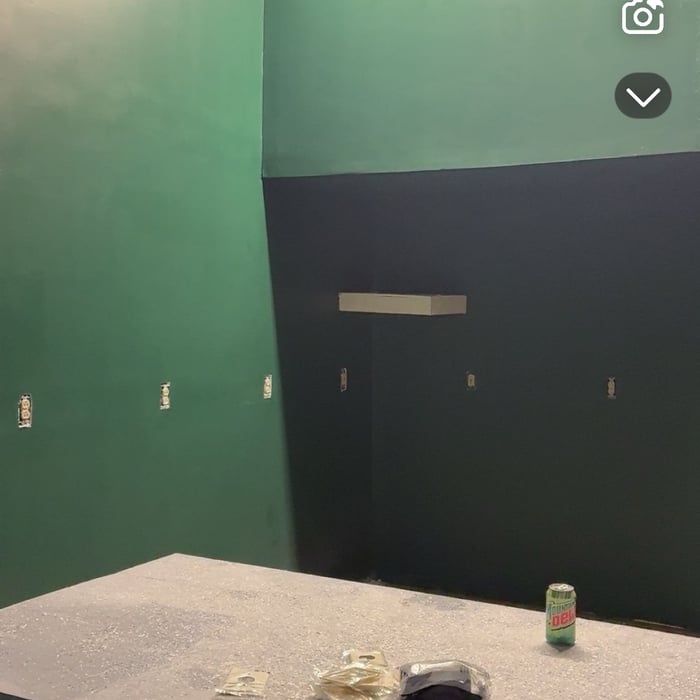
After painting & fixing the bubble
After

+20

Response time1 day
5 neighbors recently requested a quote
Recommended by100%of homeowners
Avatar for Hall Landscaping And Handyman
Hall Landscaping And Handyman
5.0(
7
)
Deck or Porch - RepairDeck or Porch - Repair - For Business

Serving Flat Lick, KY and surrounding areas

In business since 2011

Free estimates

Emergency services offered

"They did not finish job of moving bags on back porch but l understand they found snake skin and was afraid there might be a snake and one of the workers could get bitten. I understand. They traveled from Rogersville TN to Bristol TN the day after l called them. I needed someone fast and Shawn made time to come and help me the very next day. The guys worked hard and fast and l was satisfied with their service."
Stepping stones
Stepping stones
Stepping stones
Stepping stones
Stepping stones

+6

Response time1 day
Recommended by100%of homeowners

...
Showing 1-10 of 62
Deck Repair questions, answered by experts

You can nail or screw composite decking, but 3-inch decking screws are the better fastener choice. Unlike nails, decking screws won’t back out of the composite material over time. There’s also little danger of splitting composite material when driving screws, so you don’t need to pre-drill holes unless otherwise recommended by your decking manufacturer.

The best direction for a gate to swing depends on its location and purpose, but swinging inward is the general rule. An inward swing is often considered safer, prevents the gate from opening into public spaces like a sidewalk, and may be required by local building codes.

There are exceptions and specific considerations. If your property is on a slope, an inward swing might not be possible. For a deck gate, it's safest to have it swing away from any steps. In a backyard, the direction can be a matter of preference, though an inward swing can be helpful when carrying heavy items like a wheelbarrow into a garden.

Regardless of direction, ensure the gate can open fully without hitting any objects or blocking spaces. While an inward swing is standard, a gate that can swing both in and out offers the most flexibility if your setup allows for it.

You can build an outdoor kitchen on a deck, but you should choose composite decking since it's more heat-resistant. Metal deck materials like steel and aluminum are also good choices because they're less flammable than wood. You should also consider the weight of the kitchen—make sure your deck can support it and any appliances you plan to use. You should consult a structural engineer to confirm exactly how much weight your deck can safely support when building an outdoor kitchen. 

When sourced responsibly, the most sustainable wood decking options are timber trees like redwood, pine, Douglas fir, Nootka cypress, and Western red cedar. These tree species are fast-growing with low carbon emissions. Plus, most timber woods make durable deck materials because of their resistance to rot and decay over time. 

Building codes for deck railings can vary by location, so it's important to consult your local regulations before construction. Generally, a guardrail is required for any deck that is more than 30 inches above the ground.

For residential properties, the standard minimum height for a deck railing is 36 inches. However, some states and municipalities have stricter requirements; for example, California and Washington mandate railings that are at least 42 inches high. Therefore, a 42-inch railing is not considered too high and may be required in your area or chosen voluntarily for additional safety.

In addition to height requirements, codes also specify other safety features, such as the maximum spacing between balusters to ensure they are close enough to prevent a child from squeezing through.
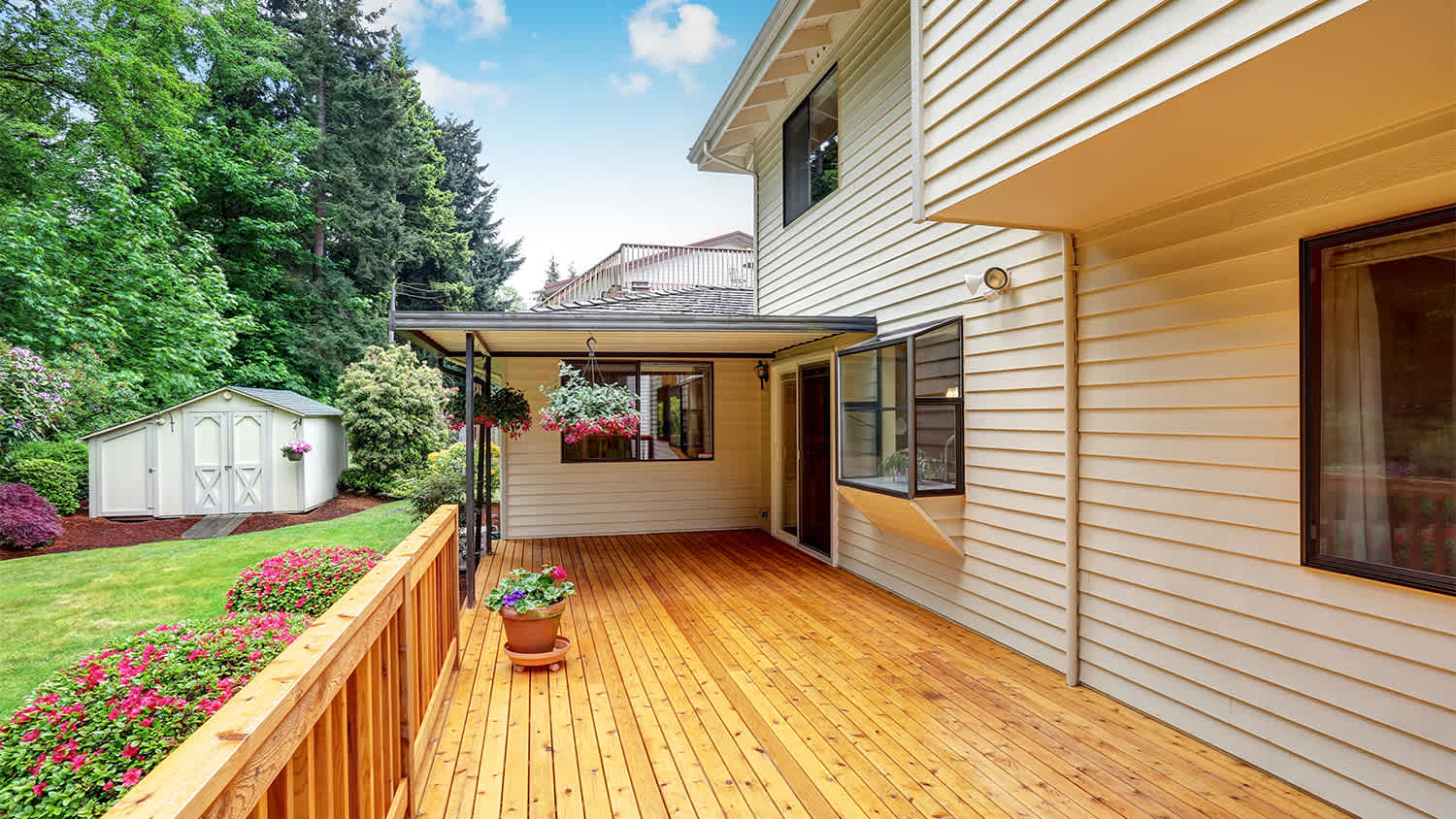
The Flat Lick, KY homeowners’ guide to deck repair services
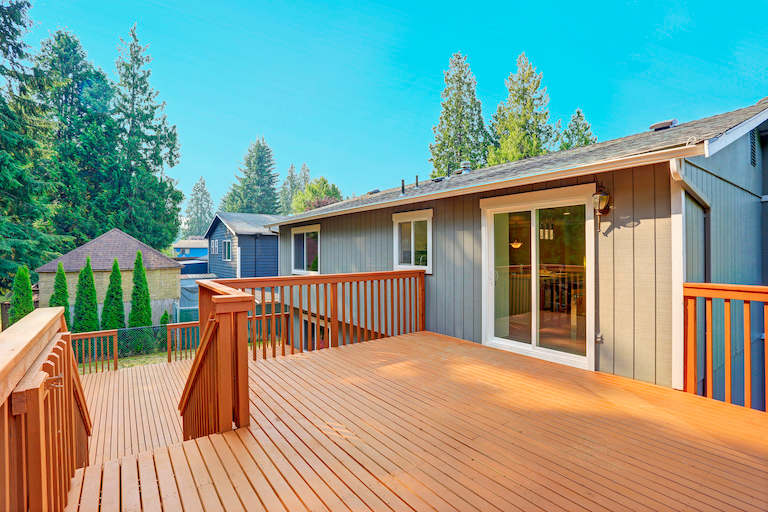
From average costs to expert advice, get all the answers you need to get your job done.