








Top-rated paving pros.

Get matched with top paving pros in Bardstown, KY

Enter your zip and get matched with up to 5 pros

Need a pro for your paving service project in Bardstown, KY?

Select your specific project to find the pro for you.

TRUSTED BY BARDSTOWN, KY HOMEOWNERS

  • Average homeowner rating star icon4.6
    Average homeowner rating
  • Verified reviews icon16
    Verified paving services reviews

Find Paving pros in Bardstown

Avatar for Earth Care Lawn and Landscape
Earth Care Lawn and Landscape
5.0(
1
)
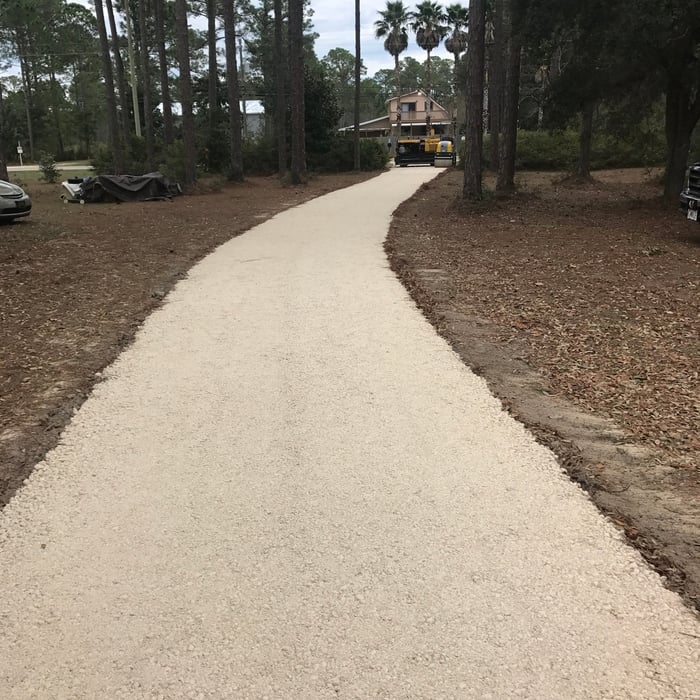
Gravel or Loose Fill Paving - Install, Spread or ScrapeInterlocking Pavers for Patios, Walks & Steps - Install

Serving Bardstown, KY and surrounding areas

Approved

In business since 2010

Customers say: True professional

Design -Build-Enjoy \nFull outdoor living contractor \nLandscape Construction \nHardscapes paver concrete retaining walls\nFinish grading\nDrainage contractor\nWe guarantee your satisfaction, and we won't leave until the job is done right. We pride ourselves on the quality work we provide, while delivering great customer service! Call or\nclick for your FREE estimate today!\n

Backyard theater/fire pit
Chenoweth Lane
Clifton heights
Before / After
Summers cabin

+138

6 neighbors recently requested a quote
Recommended by100%of homeowners
Andrew Gortmaker
New to Angi
Interlocking Pavers for Patios, Walks & Steps - Install

Serving Bardstown, KY and surrounding areas

Approved

Transform your property with reliable, high-quality craftsmanship. Servicing Hardin and surrounding counties, we specialize in durable outdoor builds and precise interior renovations, delivering professional results that enhance your home's value and curb appeal with free estimates on every project.\n\nOur Core Services\n\nCustom Wood & Vinyl Fences — Secure your perimeter with beautiful, long-lasting privacy and boundary fencing.Custom \n\nDecks — Build your dream outdoor living space for entertaining and relaxation.\n\nSmall Concrete Work — Install durable patios, walkways, pads, and concrete repairs.\n\nBasement Framing — Prep your lower level with precise structural framing for custom finishes.\n\nProfessional Pressure Washing — Restore your siding, driveways, and decks to a like-new finish.

...
Showing 1-10 of 70
Paving Services questions, answered by experts

The ideal distance between stepping stones depends on your design preference. A general rule is to place them about 24 inches apart from center to center to match an average person's stride. Another common approach is to leave about 6 inches of space between the edges of each stone; this can be adjusted to fit the path's total length without cutting pavers. If you plan to plant between the stones, leave at least 6 to 8 inches of space to give the plants room to grow.

The stones do not work well on uneven ground. If the stones are not buried into the ground and made level upon installation, they almost certainly will shift or crack on uneven ground. Additionally, rainwater or water from sprinklers can run under the edge of an uneven paver, causing erosion. In a freeze and thaw cycle, trapped water under the paver can cause the problem to worsen by shifting the stepping stones around. Use a bubble level to make sure the ground under each paver is as even as possible, even if the nearby ground is uneven.

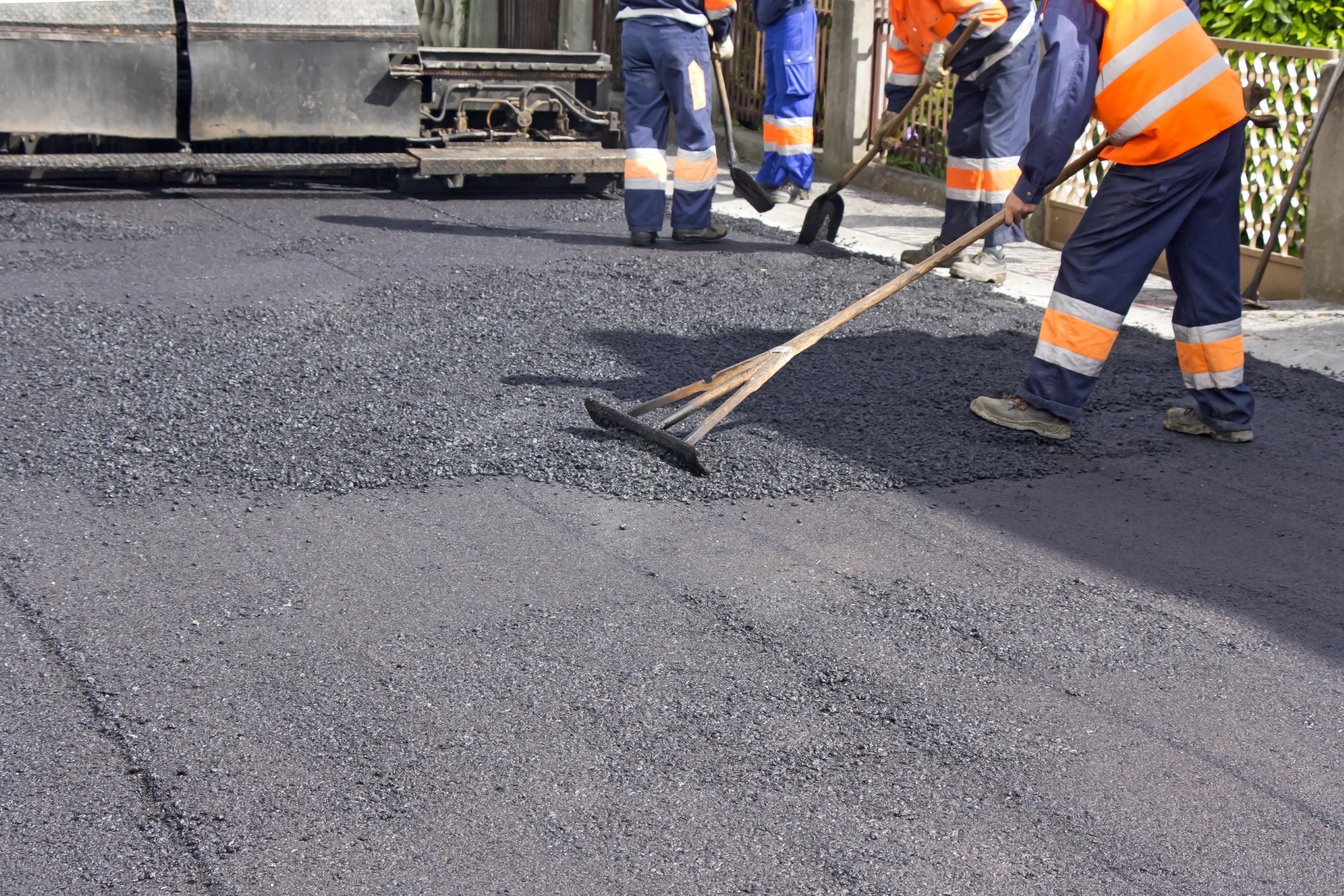
Asphalt and tarmac are not the same thing. Traditional tarmac, short for tarmacadam, uses tar as a binder to hold crushed stone together. Asphalt uses bitumen—a byproduct of crude oil—to bind aggregate. Though tarmac was once a go-to for roads, asphalt has become the modern standard. And these days, most surfaces referred to as “tarmac” are actually asphalt. So, while the names may overlap, the key distinction lies in the binder—tar for tarmac and bitumen for asphalt.

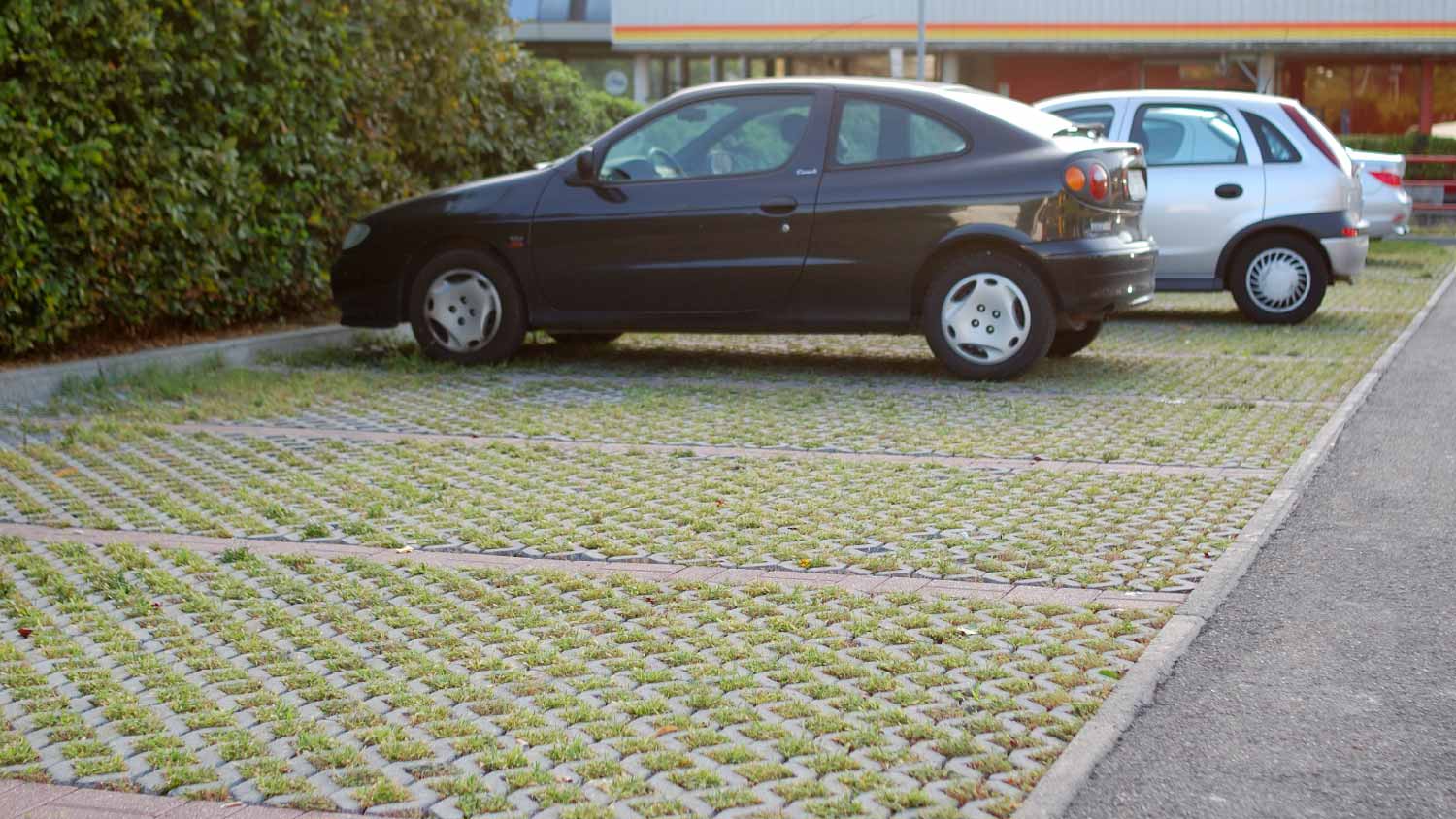
Professional installers often include a deep layer of crushed gravel under permeable pavers to allow more runoff to soak through into the soil below. Many installations will include multiple layers of gravel, with coarser aggregate at the base and finer aggregate that sits on top of that bottom layer. Above the gravel, you’ll often find coarse sand that helps reduce paver shifting over time. Some permeable paver designs include a water collection system set into the gravel layer to route runoff to a safe area for disposal.

Driveways should be sloped with a minimum 2% slope—anything lower will cause precipitation and runoff to collect. A 2% slope is the equivalent of a 2-foot rise over 100 feet. One quick way to check the integrity of your driveway’s slope: no more than four inches of water should collect on the surface longer than 15 minutes after rain.

The Bardstown, KY homeowners’ guide to paving services

From average costs to expert advice, get all the answers you need to get your job done.