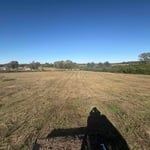
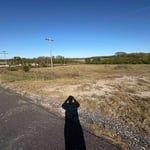
"Double M Groundworks did a fantastic job replacing an old retaining wall. They also did grading work around the foundation of my home to improve water drainage away from the house. The work was completed in two days. I am very pleased with their work and professionalism. I will use them again if a need arises."
"Fast friendly service. Ended up getting 12 yds for a good price. Good quality soil with just a few rock in it, but perfect for integrating with native soil."
locally owned and operated company that values honesty and integrity in all aspects of our business. Our dedicated team of professionals have years of hands-on experience, to provide innovative ideas and suggestions tailored to your projects. Our services are customized to your individual needs, paying close attention to the details of each project that we are involved with. Please feel free to contact us today!
"They showed up on time and did an excellent job! Went above and beyond job bid and scope! I have hired them for additional jobs and have been thoroughly impressed! I recommend them all the time to my family and coworkers!"
"Ryan Baldwin called me and we scheduled a day for him to the work. He did exactly what he said he would do, for the price that we agreed to. I couldn’t be happier. I would definitely recommend him."
We are company founded on quality of work and respect. Specializing in all utilities power, water, etc. We do all forms of excavation and grading. We also offer directional drilling and trenching. As the owner I’ve been in the industry for 9 years and I will be hands on in every job that we do making sure it is done right and in a timely manner.
Most residential basements are 8 to 10 feet deep. You can dig deeper depending on building codes, but it does become more difficult. You’ll likely need to install stronger foundation walls and additional supports to handle the increased load. Depending on the water table, you may also need a water management system. Clay soil can support a deeper foundation than sandy soil. A structural engineer will be able to tell you the maximum, feasible depth.
If you don’t wish to dig it out and convert it into a finished basement, you can still encapsulate your crawl space to protect it from damage for an average cost of $5,500. Finishing a crawl space beyond this isn’t really worthwhile, as the low ceilings mean you won’t be able to use the area as living space.
Trenching and boring are two distinct methods for installing underground utilities. Trenching involves digging a channel using equipment like an excavator, trencher, backhoe, or shovel. While it is a simpler process, it causes significant disruption to the surface, landscaping, and surrounding ecosystems.
Boring, also known as directional boring, is a less invasive alternative that uses a drill to create a tunnel for utility lines without disturbing the surface. This method is more precise and is ideal for installations that need to go underneath buildings, roads, or bodies of water. Although boring is less disruptive, it is generally more expensive than trenching.
You can bury underground electrical wire six inches deep—but only if you use a rigid metal electrical conduit. For rigid, non-metallic conduits, bury the wire at least 12 inches deep. If using an underground feeder cable rated for direct burial, you'll need to place it at least 18 inches deep, as it has no conduit for extra protection.
Most states do not require excavation companies to hold specific licenses, but many require at least a contractor’s license. Additionally, heavy equipment operators require a special commercial equipment license to operate machinery required for excavation. You can use Angi’s contractor licensing tool to confirm that an excavation company you’re considering hiring is fully licensed. You should also make sure that the excavation team is fully insured before allowing them to work on your property.
The Wakarusa, KS homeowners’ guide to excavation services
From average costs to expert advice, get all the answers you need to get your job done.
Excavation costs $1,500 to $6,300 for most residential projects—but it depends on factors like the size of the area. This guide will help you plan a budget.
You can't have an in-ground pool without digging into the ground. How much does pool excavation cost, and can you take it on yourself? Our guide explains.
Picking the right pro can make or break your project. Learn how to hire an excavation pro with the qualifications and skillset to do the job efficiently.