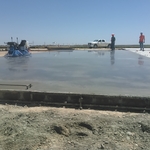
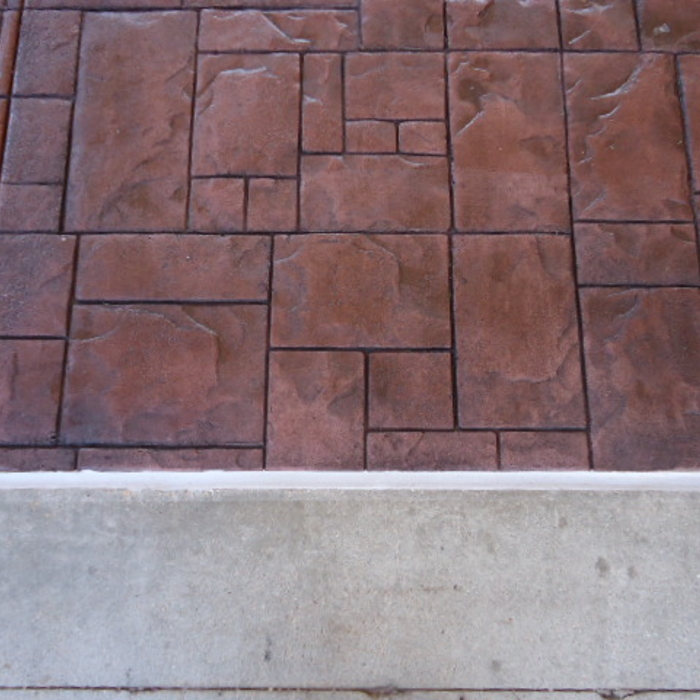
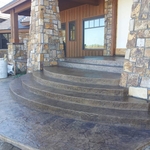
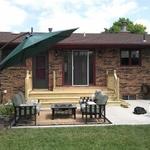
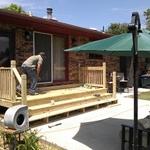
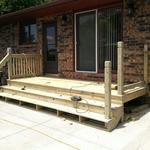
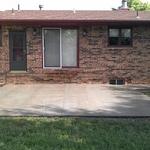
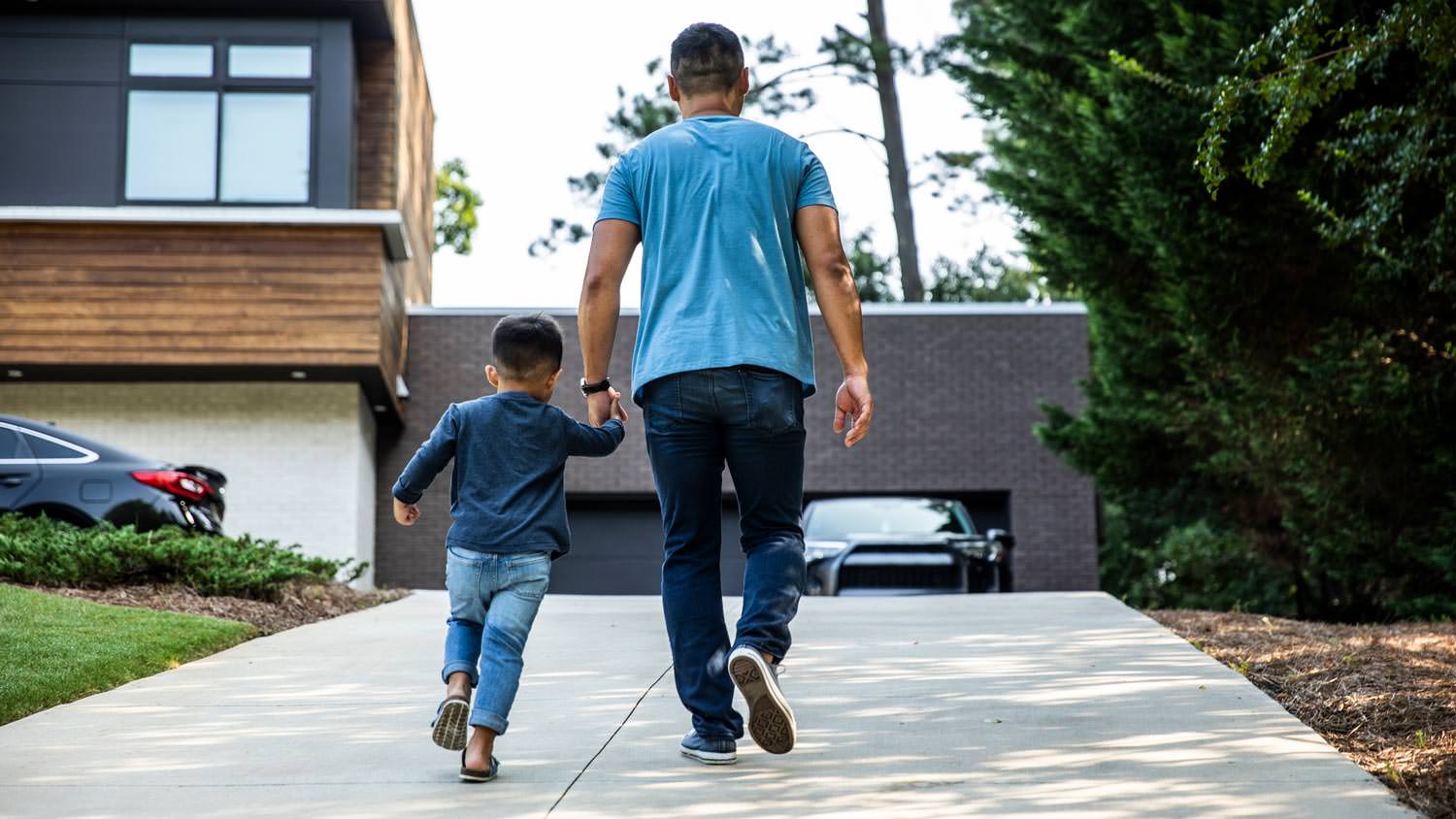
"I am very pleased with the results! They were on time, very polite and professional! They promised great results and delivered! the driveway looks great and gets compliments from our family and neighbors! I am also happy with the price!"
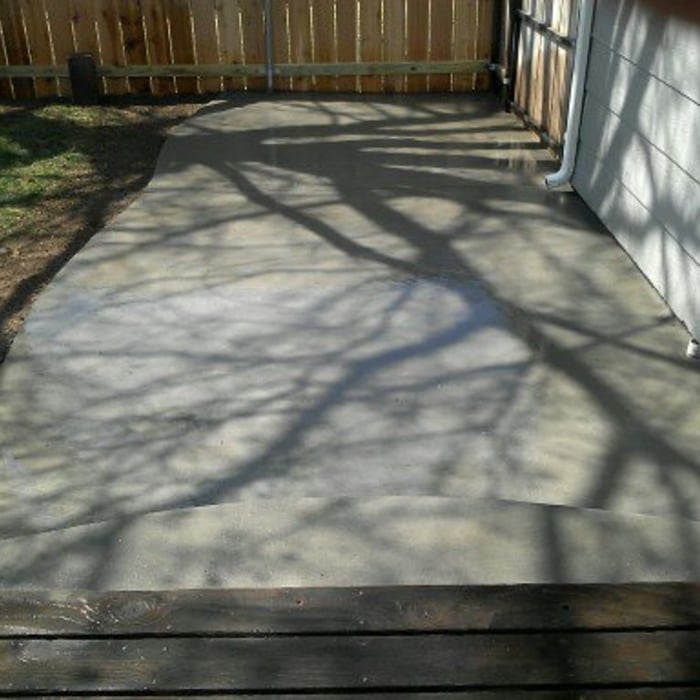
"The employees were very professional and did a wonderful job of repairing chipped, missing concrete and/or filling cracks due to expansion. They were very thorough and cleaned up any left over debris. We were very satisfied with the job done."
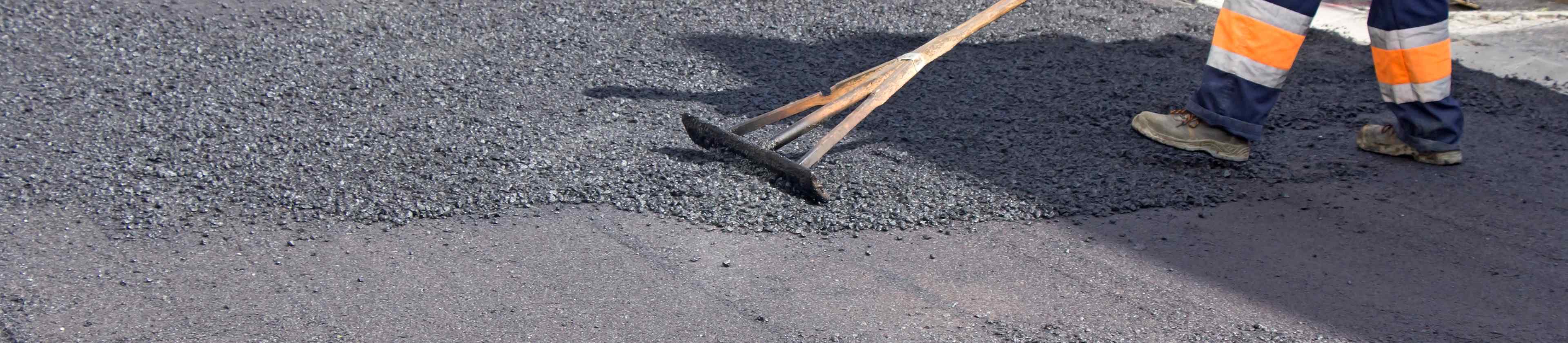
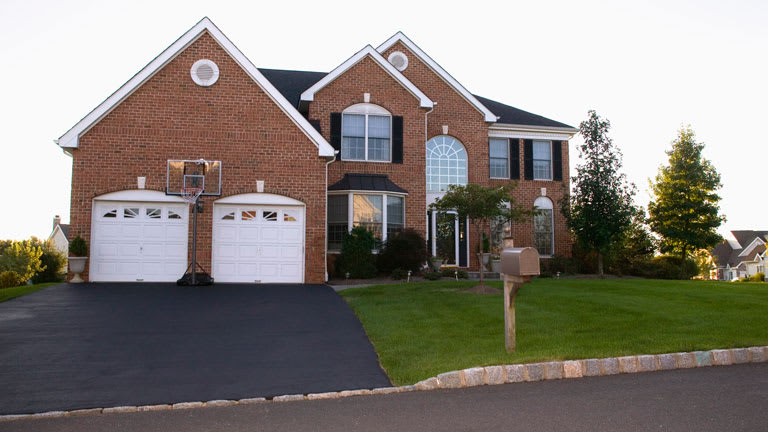
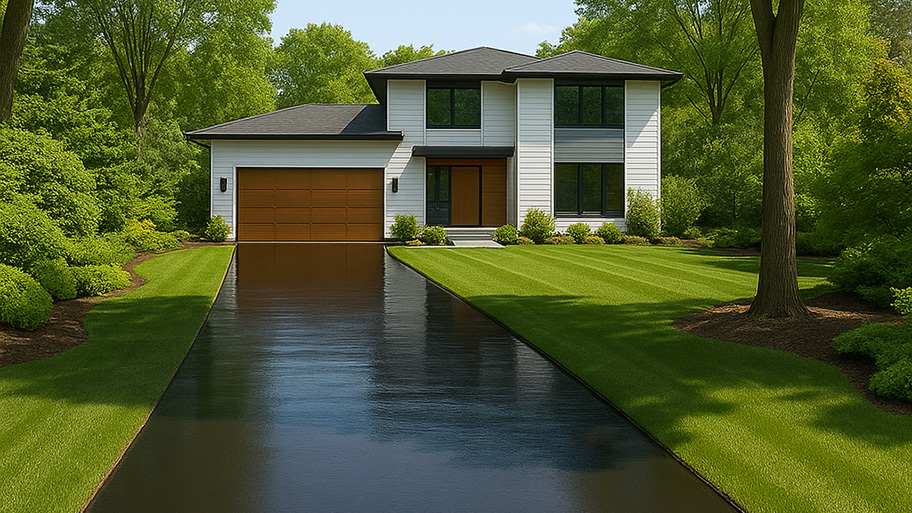
A solid driveway starts with the right asphalt mix, and for most homes, dense-graded hot mix asphalt (HMA) is the most recommended. It’s both durable and flexible, making it a reliable choice for residential use. A properly compacted 2-3 inch layer on a well-prepared crushed stone base will hold up for years. In areas with harsh winters or scorching summers, a slightly modified mix can help prevent cracking and rutting. No matter the climate, quality installation is just as important as the material itself, so hiring an experienced contractor ensures a smooth, long-lasting driveway built to last.
New asphalt goes through two stages: drying and curing. Drying typically takes 24 to 72 hours, after which the surface is solid enough for light use like walking or careful driving. While you may be able to park on it after 72 hours, the surface is still soft and should be treated gently. Full curing is a much longer process, taking anywhere from 30 days to a full year for the asphalt to reach maximum strength. During this extended curing period, the asphalt is susceptible to damage from heavy vehicles, sharp objects, and high temperatures. Factors like weather, the specific asphalt mix, and application thickness all influence drying and curing times. For the most accurate timeline and to ensure the longevity of your new asphalt, it is always best to consult with your installation contractor for their specific recommendations.
Gravel is the cheapest way to extend a driveway. Gravel is an affordable, practical option that’s easy to install and perfect for DIY projects, helping you save on labor costs. It can be quickly spread and leveled to create extra driveway space without heavy preparation. While gravel doesn’t offer the same durability or finished look as concrete or asphalt, its low cost makes it ideal for budget-conscious homeowners who want a functional solution without overspending.
Several materials are suitable for steep driveways. Gravel and crushed stone are affordable options that provide good traction. Permeable pavers—such as plastic, rubber, or concrete—filled with gravel or crushed stones are also excellent, as they allow water to drain without causing erosion and perform well in ice and snow. Another option is resin, which can be coated with an anti-slip finish and helps prevent puddles. For added stability, you can install a retaining wall to prevent pavers and gravel from shifting over time.
Asphalt edging secures the sides of your driveway to prevent crumbling and cracking over time. Most driveways have edges with a 45-degree grading. This helps transfer some of the stress from the asphalt to the ground underneath. If your driveway doesn’t have proper edging, the pressure from your car may break down the edges over time.
The Saint John, KS homeowners’ guide to asphalt driveway services
From average costs to expert advice, get all the answers you need to get your job done.
Adding a new asphalt driveway to your home can boost its overall appearance and give homeowners a nice ROI down the line. But how long do asphalt driveways last, and what can you do to maximize their lifespans? Read this guide to find out.