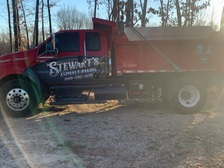
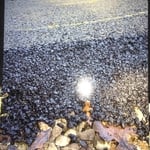
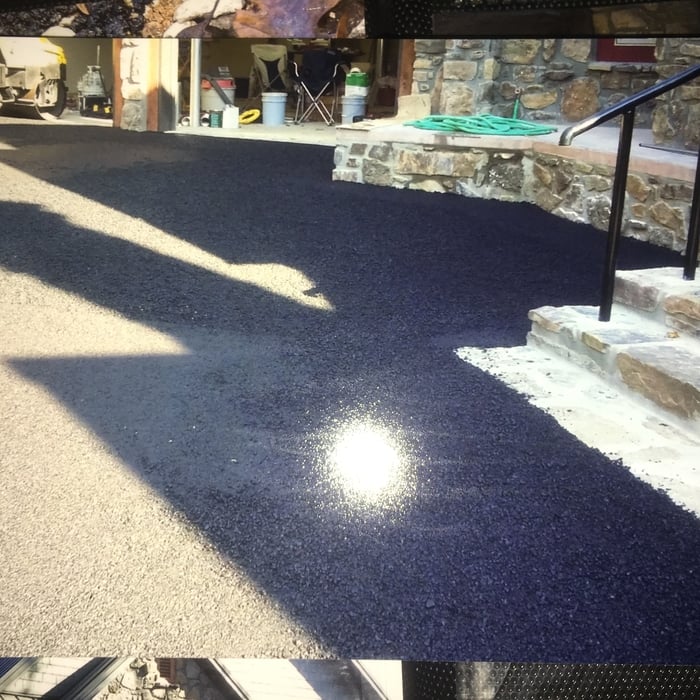
Stewart's Asphalt Paving is committed to excellence in every aspect of our business. We uphold a standard of integrity bound by fairness, honesty and personal responsibility. Our distinction is the quality of service we bring to our customers. Accurate knowledge of our trade combined with ability is what makes us true professionals. We are a 3rd generations company. Been in business for 37 years and counting. Above all, we are watchful of our customers' interests, and make their concerns the basis of our business.
We are a family owned and operated company and are experienced in a variety of services. Customer satisfaction is our number one priority in every job we do. We are ready to take on the job you need done and take pride in our customer service, affordable prices and quality work!
We take great pride in our experience, expertise, quality and customer service that we provide to meet your needs. It is our mission to provide excellent workmanship and complete customer satisfaction from start to completion of a project. In order to understand the needs and expectations of our customers, we take great care to work and communicate with every customer a professional manner. Our reputation is based on service, safety and quality, regardless of how large or small the job. 24hour emergency calls we do except . We do except home insurance.
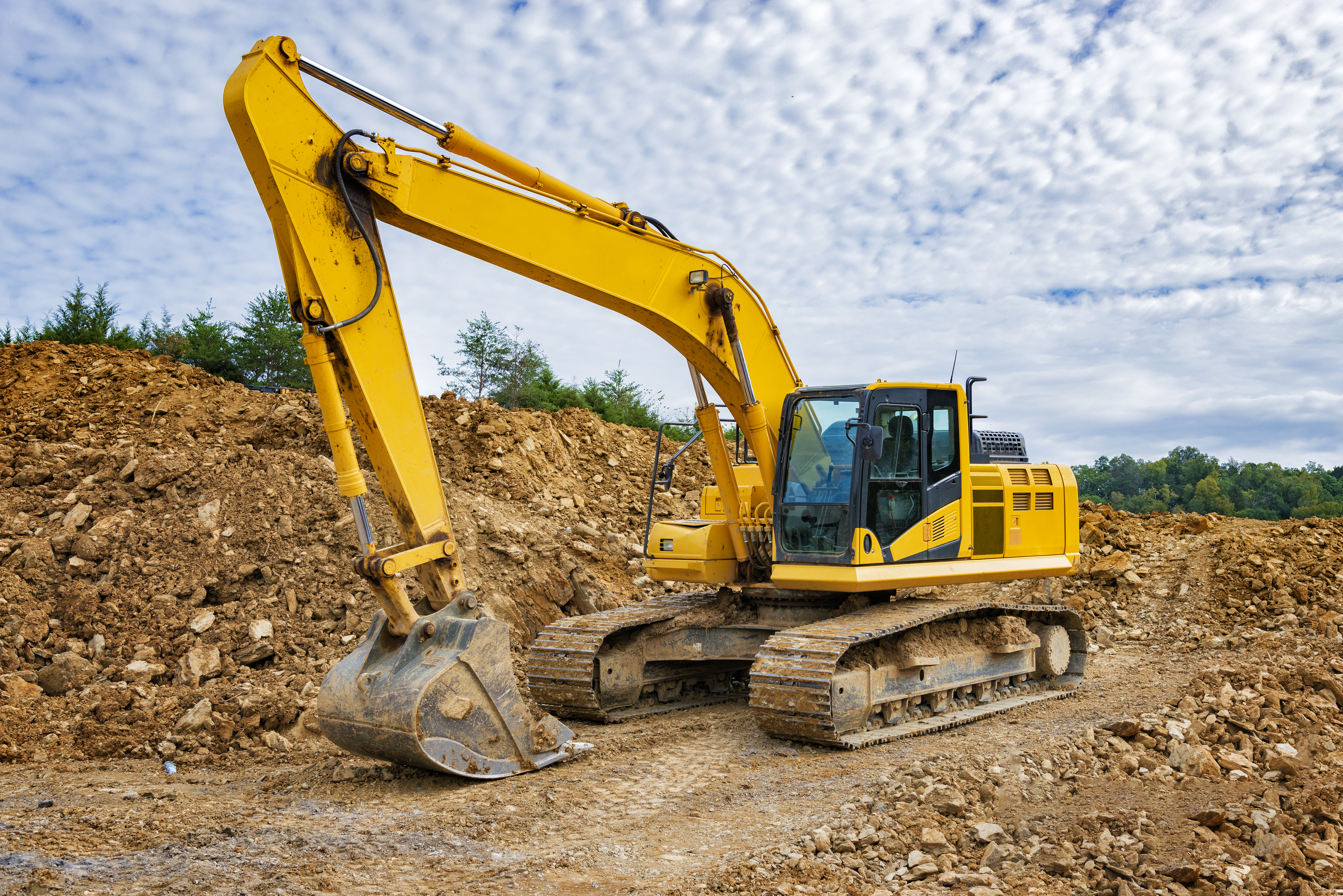
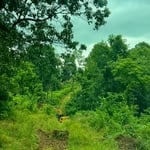
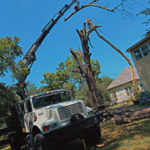
We specialize in safe, efficient, and environmentally responsible tree trimming and land clearing solutions. Whether you're preparing a site for construction, reclaiming overgrown property, or removing or trimming trees, our experienced team delivers precision and care with every job. With top-tier equipment and a commitment to customer satisfaction, we help you clear the way for your next big project. Reach out to us today and get a quote. We would love to help you!
\n
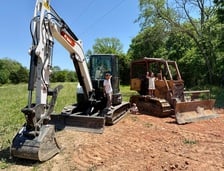
\n* We Do USE LARGE EQUIPMENT( SKID STEER) MUST HAVE ROOM AND BE OKAY TO ENTER EXIT YARDS IF PROJECT IS IN YARD
We invite you to experience a tradition of customer satisfaction that will exceed your greatest expectations. Our professionalism and quality workmanship will accurately reflect your taste and liestyle. From conception to completion, we work with you until the job is done. We are ethical, honest, and easy to communicate with.
\nCall us today you'll be pleased you did. Thank you.
\n
www.facebook.com/Mid-West-Dirt-Works-102125152215693
\n
\nWe take great pride in our experience, expertise, quality and customer service, that we provide to meet the consumer's needs. It is our mission to provide excellent workmanship, and complete customer satisfaction, from start to completion of a project. In order to understand the needs and expectations of our customers, we take great care to work and communicate, with every customer in a professional manner. Our reputation is based on service, safety and quality, regardless of how large, or small the job. Call us today!
At Rafter BA Land Management & Welding, our company is based on the belief that our customers' needs are of the utmost importance. Our team is committed to meeting those needs. We welcome the opportunity to earn your trust and deliver you the best service. No job is too big or too small for our experienced team. Call today for a quote.
Hard soil could be a sign of overly dry dirt, either from poor drainage or drought. It's important to test the nutrient levels, density, and drainage capacity of your soil to see if it's absorbing water properly. Begin by adding a light layer of water and observing how long the soil retains moisture. If you experience a good deal of runoff, you may need to aerate your lawn, apply a wetting agent, or hire a professional for a closer look.
Some two-in-one tools and machines do both jobs, and those could be the right solution for smaller residential projects. However, the phrase “use the right tool for the job” definitely applies to digging. For the best results, get two separate tools for your trenching and landscape edging projects or call a pro to take care of everything for you.
Trenching and boring are two distinct methods for installing underground utilities. Trenching involves digging a channel using equipment like an excavator, trencher, backhoe, or shovel. While it is a simpler process, it causes significant disruption to the surface, landscaping, and surrounding ecosystems.
Boring, also known as directional boring, is a less invasive alternative that uses a drill to create a tunnel for utility lines without disturbing the surface. This method is more precise and is ideal for installations that need to go underneath buildings, roads, or bodies of water. Although boring is less disruptive, it is generally more expensive than trenching.
Most residential basements are 8 to 10 feet deep. You can dig deeper depending on building codes, but it does become more difficult. You’ll likely need to install stronger foundation walls and additional supports to handle the increased load. Depending on the water table, you may also need a water management system. Clay soil can support a deeper foundation than sandy soil. A structural engineer will be able to tell you the maximum, feasible depth.
You can dig 60 to 80 linear feet by hand per day depending on the depth. Digging a 100-foot trench by hand will take you two work days, but it can take longer if you have heavy or rocky soil. If you’re digging a deep trench or one that’s over 100 feet, consider renting a mechanical trencher, such as a walk-behind or ride-on, or calling a pro for help.
The Riverton, KS homeowners’ guide to excavation services
From average costs to expert advice, get all the answers you need to get your job done.
Excavation costs $1,500 to $6,300 for most residential projects—but it depends on factors like the size of the area. This guide will help you plan a budget.
You can't have an in-ground pool without digging into the ground. How much does pool excavation cost, and can you take it on yourself? Our guide explains.