Navas Handy Services is committed to excellence in every aspect of our business. We uphold a standard of integrity bound by fairness, honesty, and personal responsibility. Our distinction is the quality of service we bring to our customers. Accurate knowledge of our trade combined with ability is what makes us true professionals. Above all, we are watchful of our customers' interests, and make their concerns the basis of our business.
We take great pride in our experience, expertise, quality, and customer service that we provide to meet the consumer's needs. It is our mission to provide excellent workmanship and complete customer satisfaction from start to completion of a project
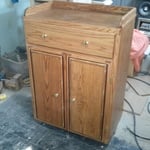
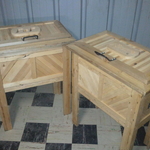
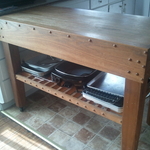
Here at DR Customs we offer quality work at a fair price. We are a local, family owned business and we pride ourselves on customer satisfaction. Whether you need custom cabinets, or small projects fixed around the house, DR Customs is the right choice. Call us today for your free estimate!
Yes, and in some cases, frozen ground may improve the digging process for footings due to sturdier conditions. It’s easier than working in muddy conditions, which are more common in the spring. Contractors may use machinery that makes this step a breeze, so harder ground shouldn’t affect the building process.
Putting lattice under a deck will create a polished look that allows for air ventilation. You can also store items underneath as the lattice provides privacy and protection from the weather. You can also put lattice under a porch to create a polished look in the front of your house.
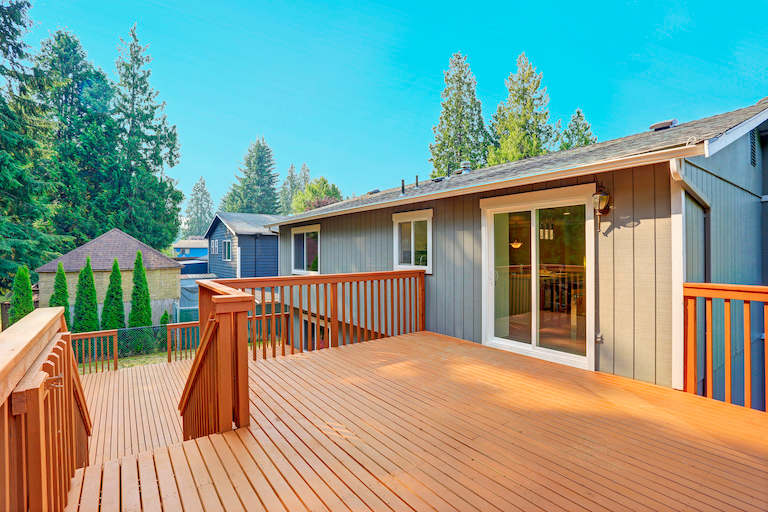
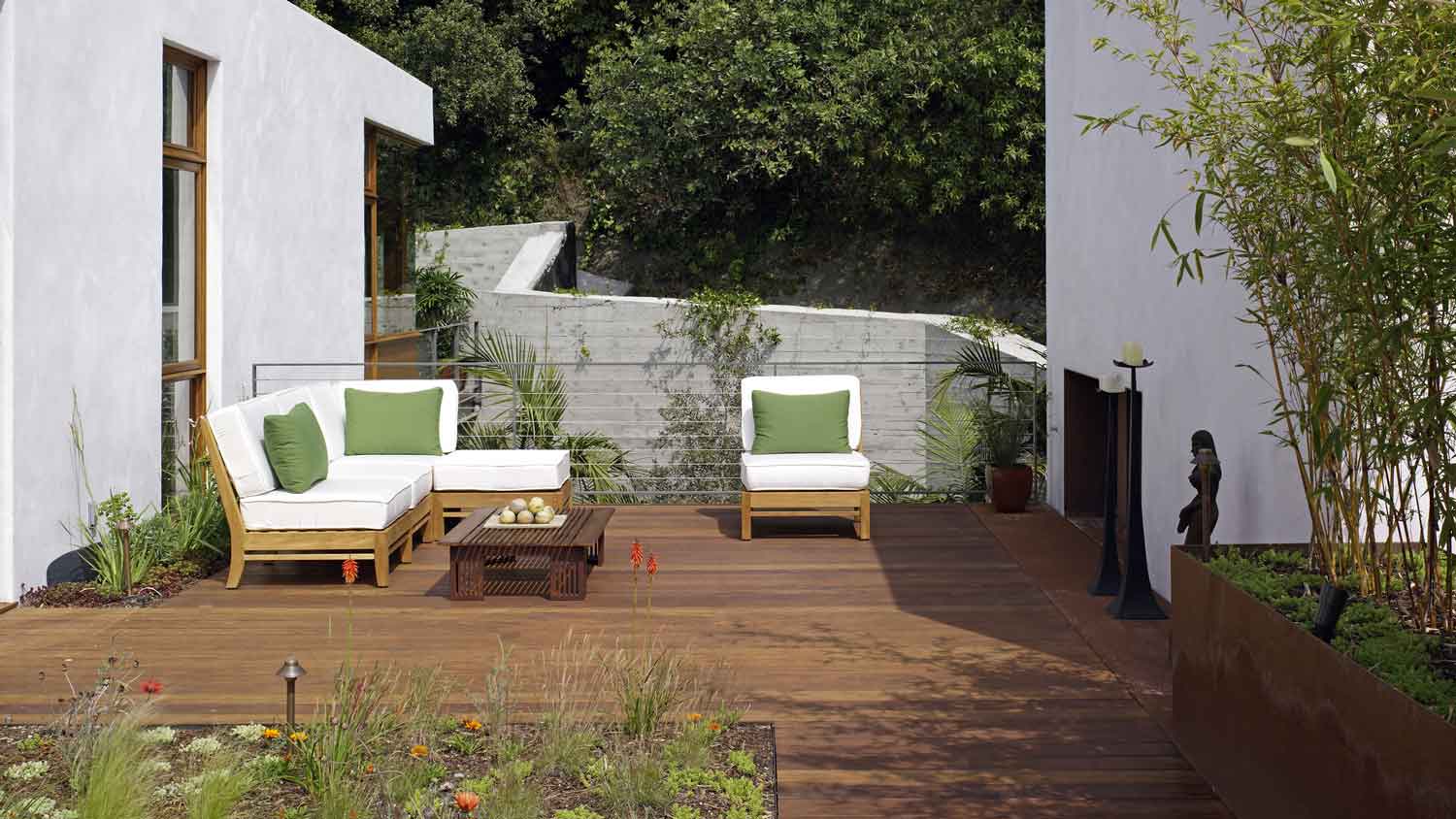
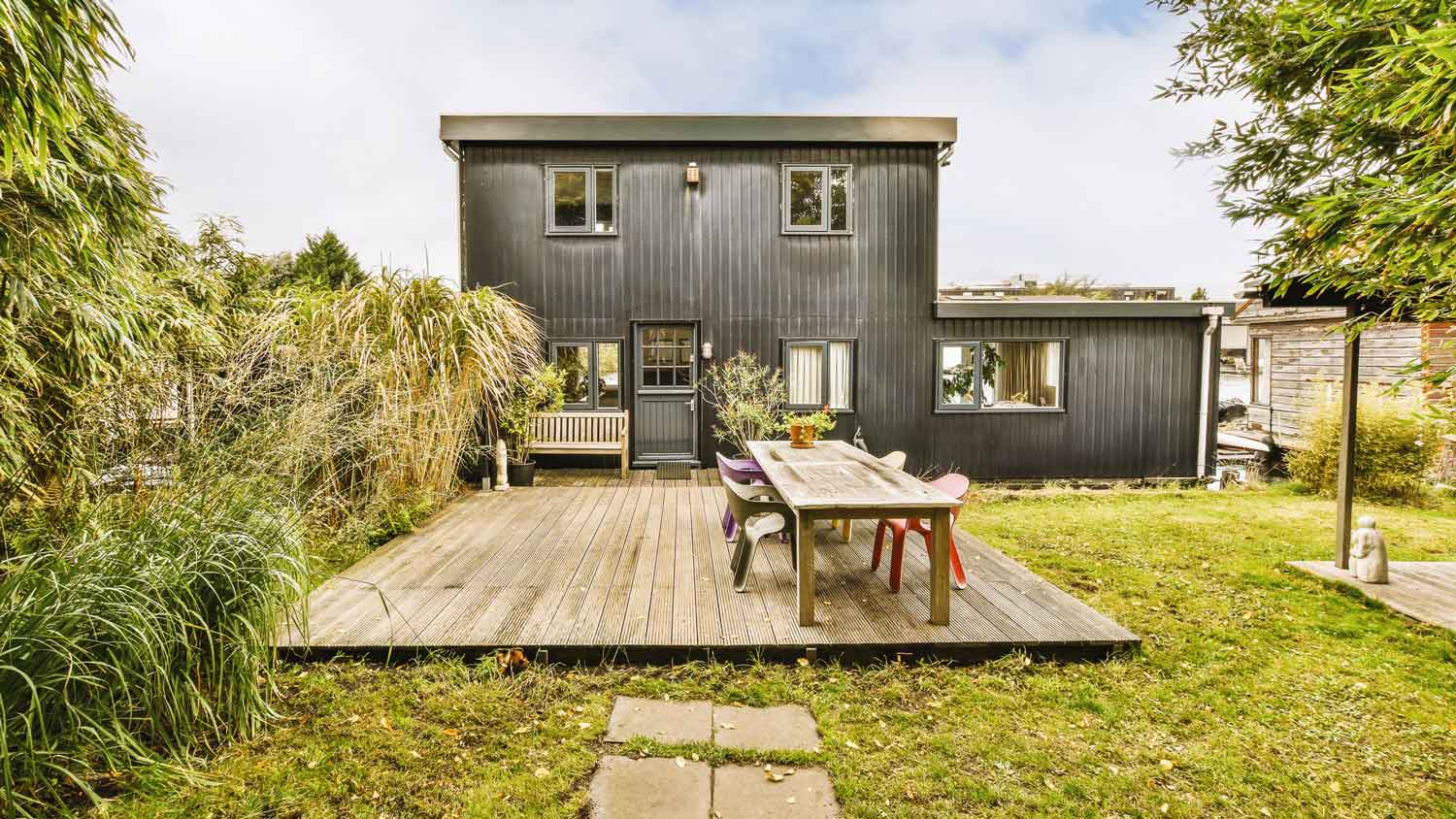
As with patios, there are many types of deck choices to choose from to add personalization to your home. Some common deck options include:
Attached decks are anchored to the home and include simple ground-level options or multi-level structures with stairways and separate landings.
Detached island decks are not attached to the home; they’re a freestanding structure in the yard.
Wraparound decks connect the back of the house with at least one other side and often are built with railings for safety.
Multi-level decks connect your deck through varying levels of elevation, featuring landings that are attached to stairs.
The “best” material is in the eye of the beholder, as each common decking material boasts its pros and cons. Poured concrete is the best budget-friendly option, but composite wood brings high-grade aesthetics without breaking the bank. Wood is the most traditional material, but it requires more maintenance than some other materials. In other words, do your research before settling on a deck material to find the one that’s best for your pool.
Yes, using sustainable materials and recycled composites offer green solutions.
The Montezuma, KS homeowners’ guide to deck cleaning services
From average costs to expert advice, get all the answers you need to get your job done.
Refinishing your deck is a great way to restore its appearance and fall in love with your outdoor space. Use this guide to learn how much it costs based on factors like size and type.
Learn how to clean a deck before staining to ensure long-lasting adhesion, weatherproofing, and optimum appearance of this coloring and protecting treatment.
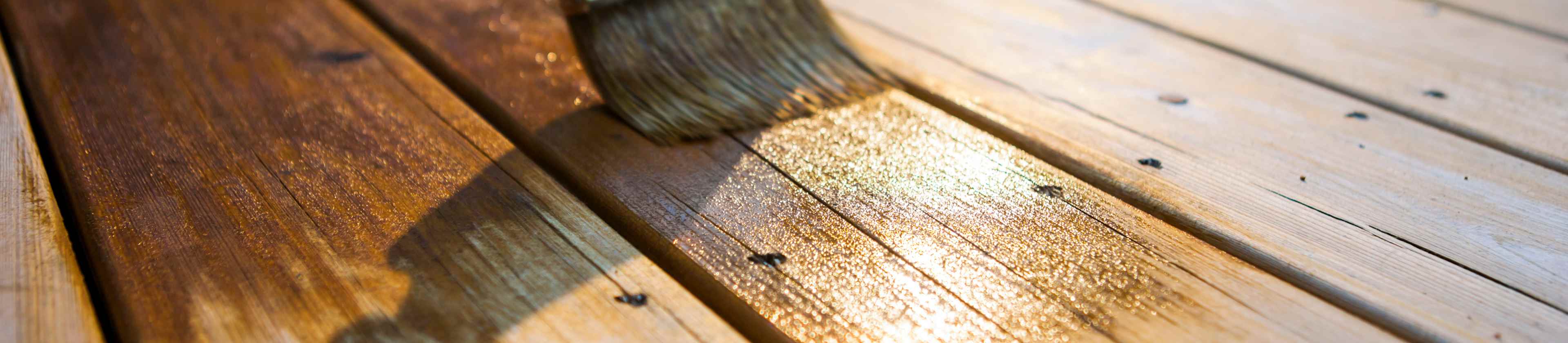
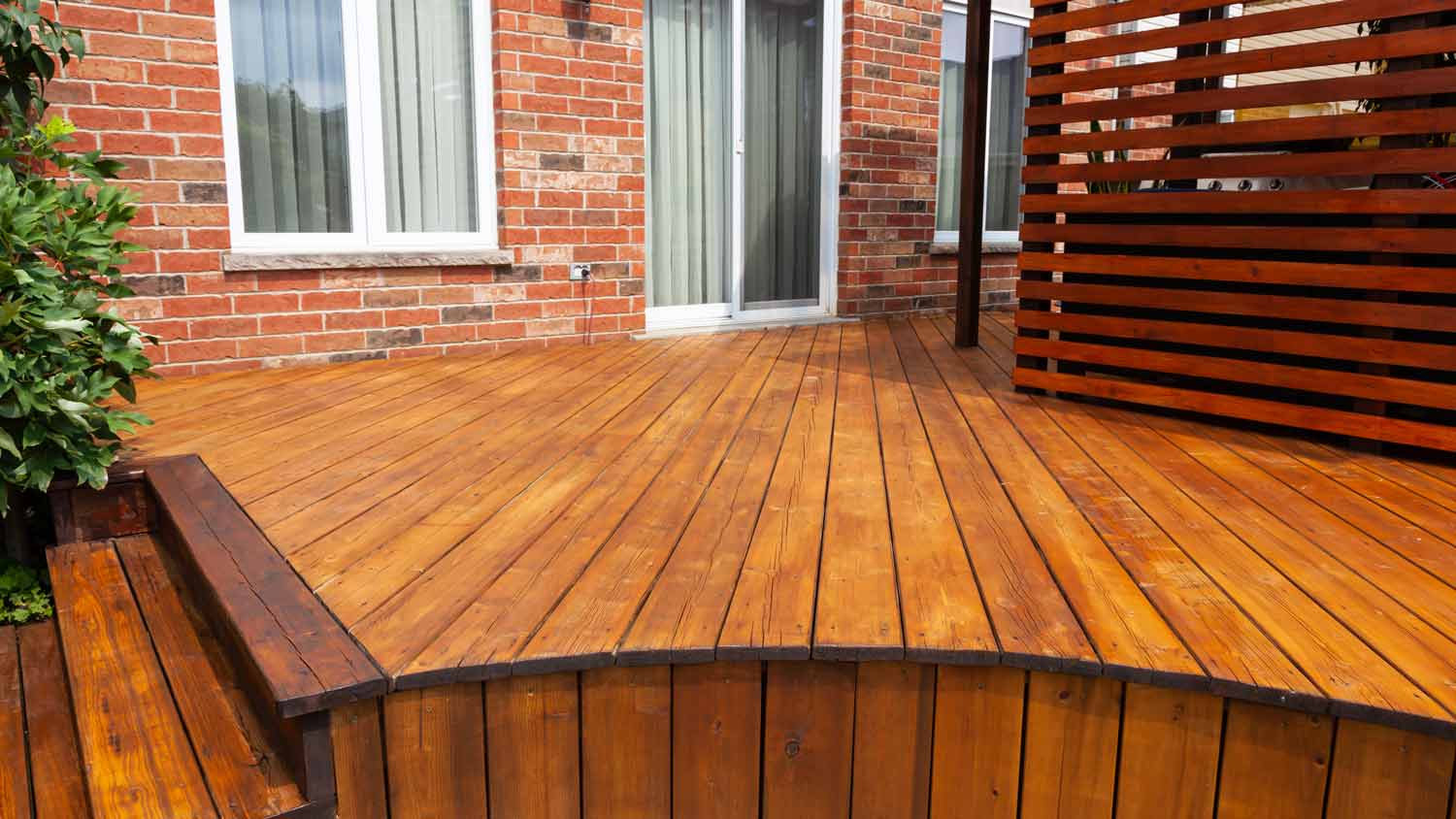
Deck maintenance is vital to protecting a wooden deck. Cleaning, staining and sealing a deck after pressure washing will add years to its lifespan. Protect a deck by following these deck maintenance tips for cedar and other types of wood materials.
Knowing how to clean and seal a deck can help extend its life and keep it looking like new. This DIY guide sheds light on the best way to clean a wood deck.