"I only use James when I need some work done to my house. He responds fast, gets the work done quicker than just about anyone else I've ever used and seems very concerned with leaving his customers happy."
Once again, contact with moisture is the culprit here, though water-resistant varieties of wallpaper are less likely to become wet and develop mold. Using a high-quality exhaust fan or dehumidifier and leaving the doors or windows cracked after bathing will keep this issue at bay.
We don’t recommend wallpapering over older paper. That’s because creating layers of glue can invite bubbling or excess moisture on the wall’s surface. You should also prime your wall before applying wallpaper and smooth the wall as much as you can, and another layer of wallpaper complicates this process.
Common mistakes when finishing basement walls include neglecting proper insulation, insufficient moisture management, and poor ventilation. Not addressing these issues can lead to mold growth, water damage, and discomfort. Additionally, inadequate planning, improper framing, and rushing the project can result in subpar outcomes.
It's essential to follow best practices, seek professional guidance if needed, and prioritize thoroughness and attention to detail.
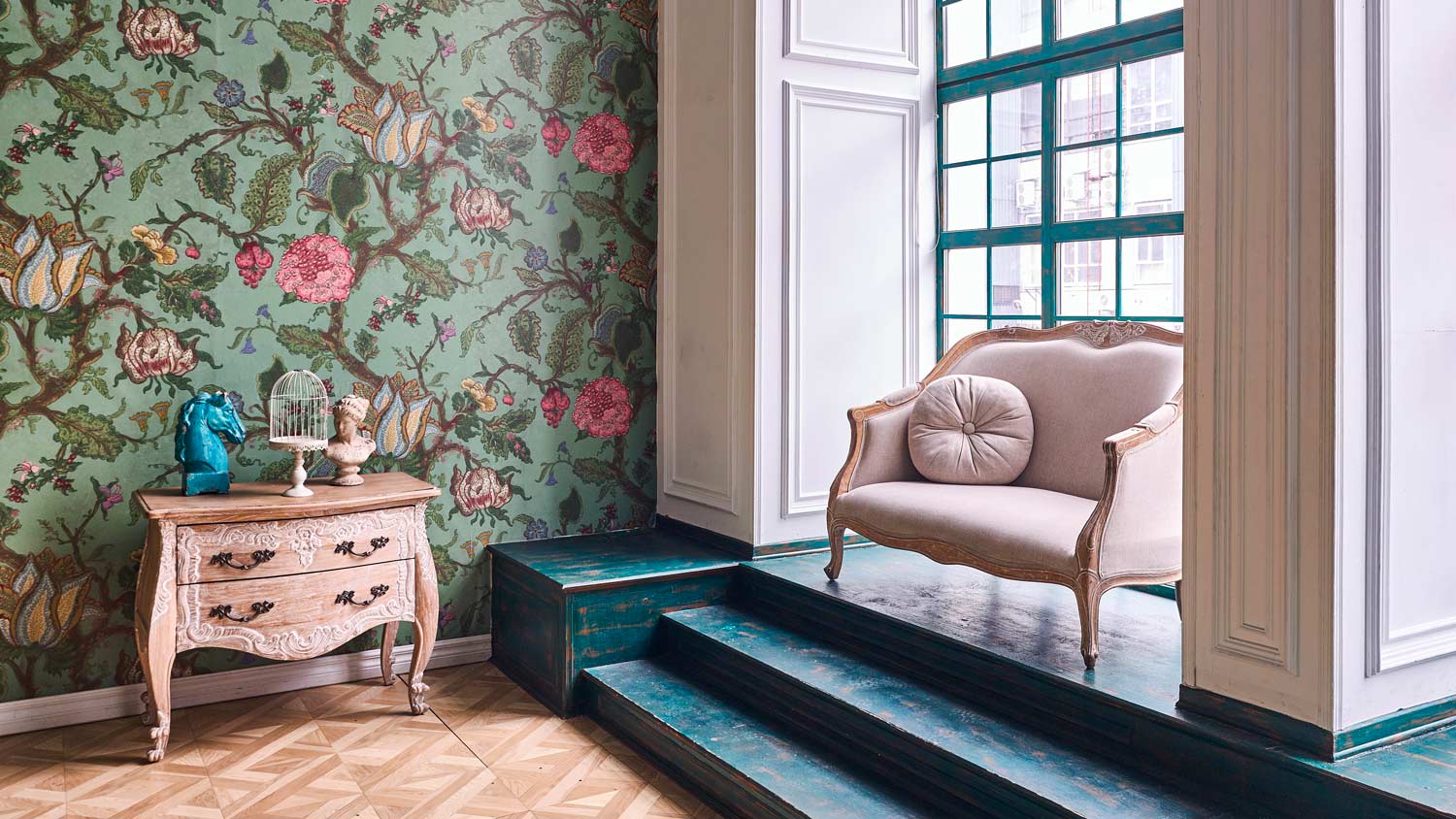
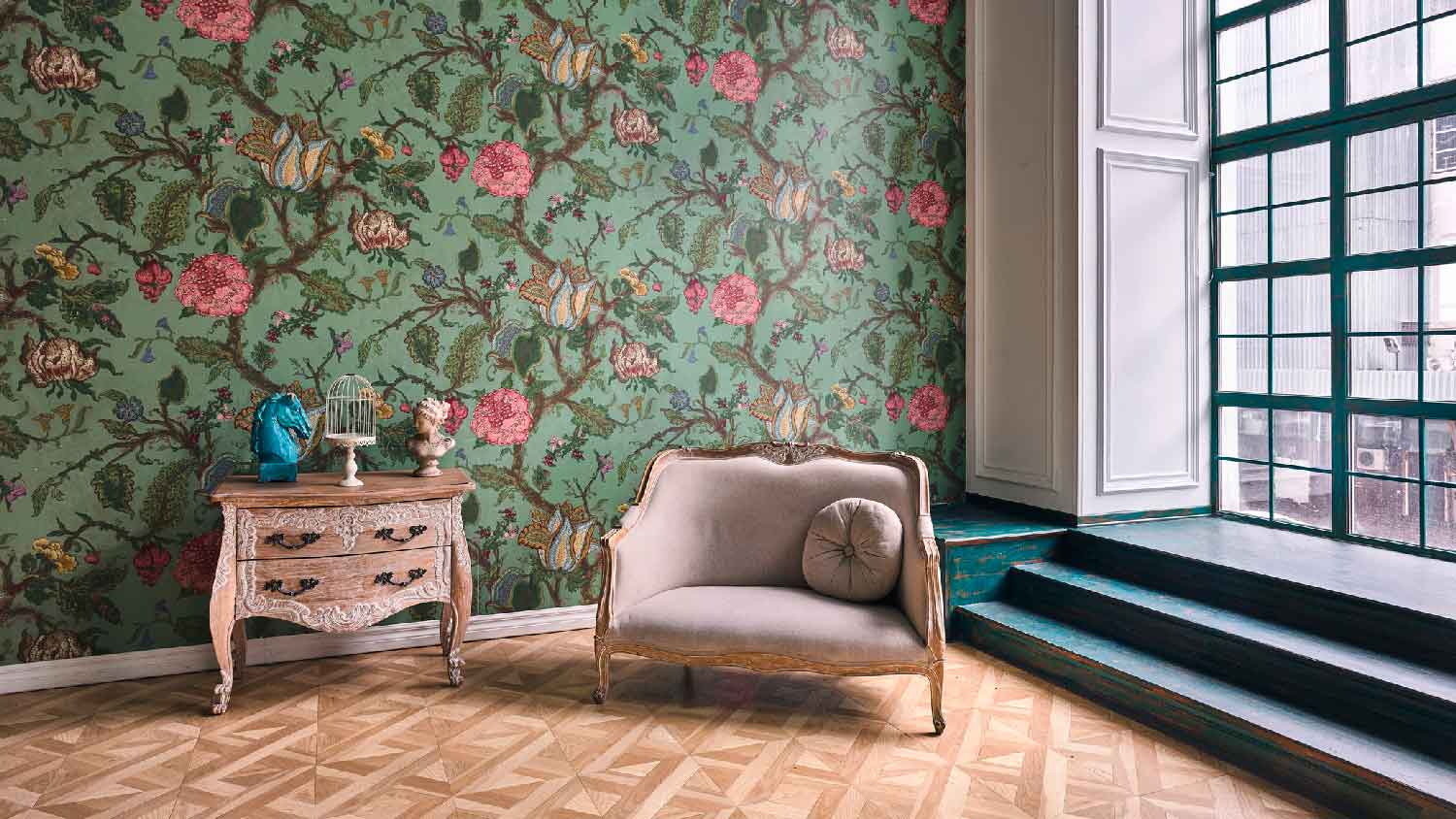
Accent walls have been a popular decor choice over the past two decades, and they don’t seem to be going out of style any time soon. They’re a quick and easy way to change the mood of the room without committing to painting every wall, and many homeowners like the visual interest they add to a room.
One of the biggest downsides to peel-and-stick wallpaper is that it doesn't last as long as traditional wallpaper. Its lifespan depends on several factors, including the quality of the paper, proper wall preparation and application, and the room's conditions. As a general rule, peel-and-stick wallpaper can last for at least five years, but this can vary significantly. Budget products may only last about 3 years, while higher-quality products can stay up for 7 years or more in ideal conditions. Factors that can shorten its lifespan include high humidity (such as in a bathroom), dirty walls, and low-quality paper. If used on flooring, expect it to last only 1 to 3 years unless sealed. However, the shorter lifespan can be seen as a positive, making it a great choice for people who enjoy switching up their interiors more frequently.
The Leoti, KS homeowners’ guide to wallpaper services
From average costs to expert advice, get all the answers you need to get your job done.
Discover wallpaper installation cost. Learn about material, labor, and project factors to estimate your budget and make informed choices for your home.
Whether you can put wallpaper over wallpaper depends on the type of paper you’re using and the condition of the existing surface. Learn more with this guide.