"I only use James when I need some work done to my house. He responds fast, gets the work done quicker than just about anyone else I've ever used and seems very concerned with leaving his customers happy."
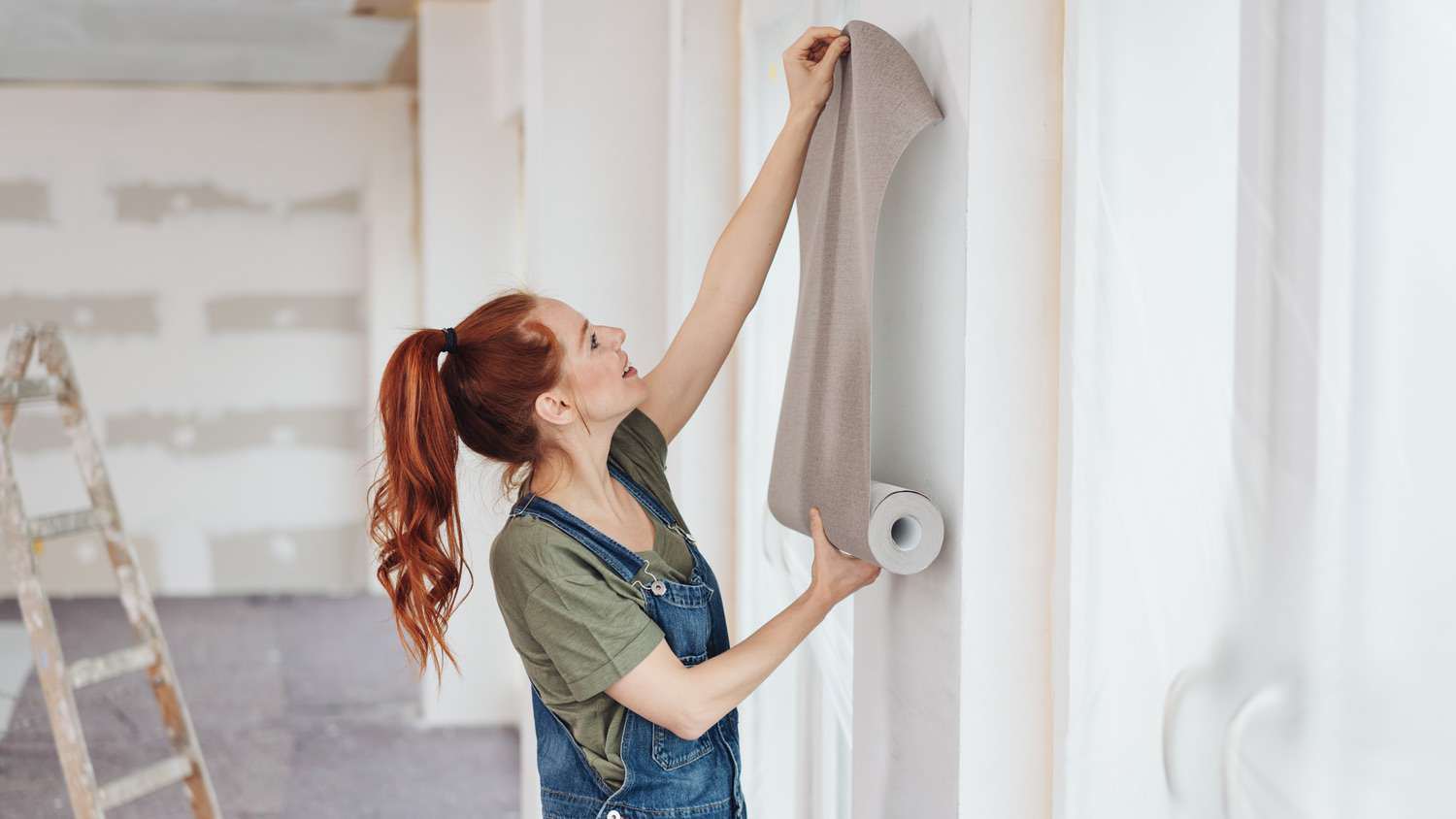
One of the biggest downsides to peel-and-stick wallpaper is that it doesn't last as long as traditional wallpaper. Its lifespan depends on several factors, including the quality of the paper, proper wall preparation and application, and the room's conditions. As a general rule, peel-and-stick wallpaper can last for at least five years, but this can vary significantly. Budget products may only last about 3 years, while higher-quality products can stay up for 7 years or more in ideal conditions. Factors that can shorten its lifespan include high humidity (such as in a bathroom), dirty walls, and low-quality paper. If used on flooring, expect it to last only 1 to 3 years unless sealed. However, the shorter lifespan can be seen as a positive, making it a great choice for people who enjoy switching up their interiors more frequently.
Many peel-and-stick wallpapers aren’t moisture-resistant, so if you install them in high-humidity rooms, mold can grow behind the wallpaper. It’s best to reserve peel-and-stick wallpaper for bedrooms, living rooms, and other rooms with lower humidity levels. Not only does this minimize the risk of mold growth, but it also keeps the wallpaper from bubbling or peeling.
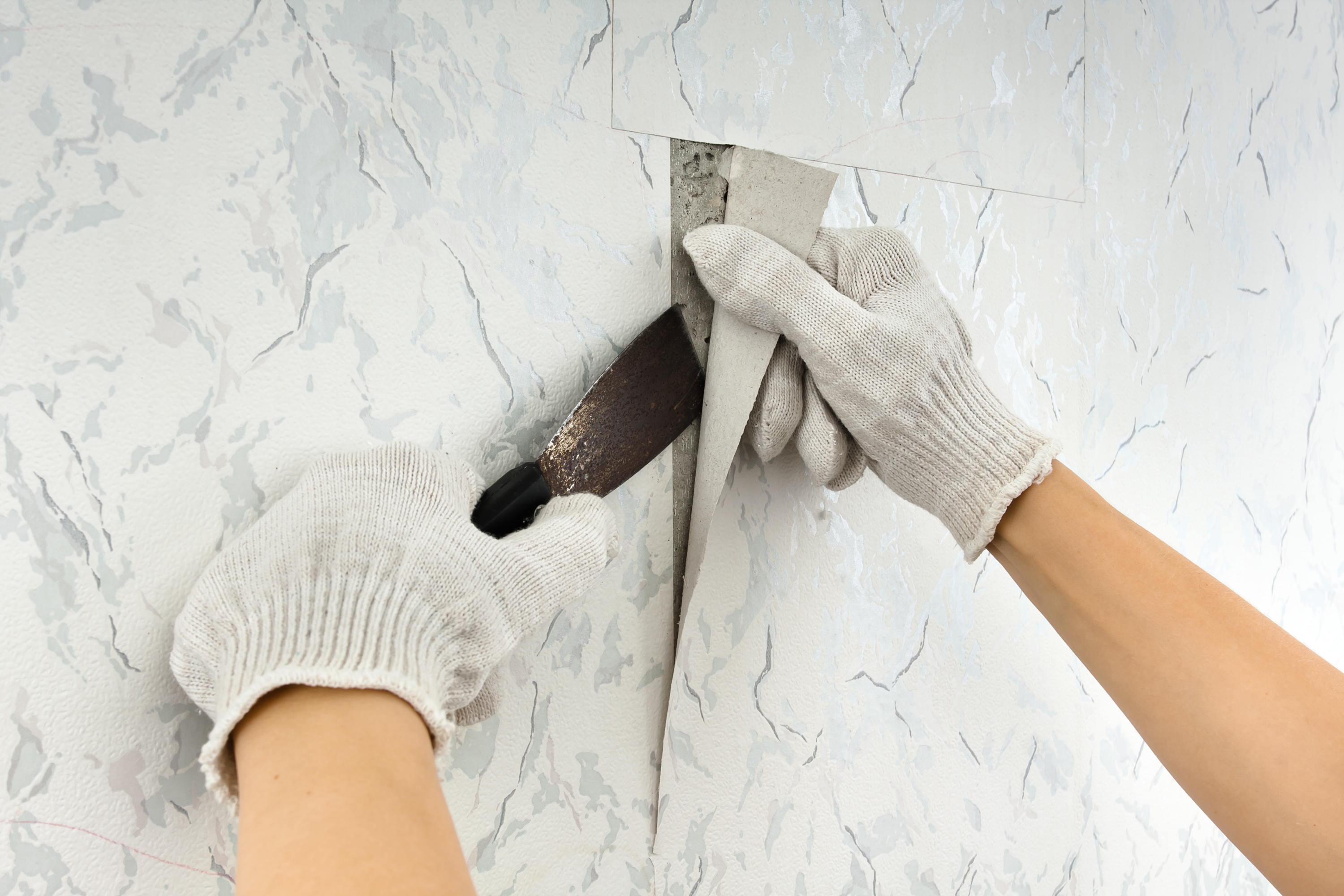
Removing wallpaper can be easy if you have a non-coated wallpaper, but most homeowners have vinyl-coated wallpaper, which is more durable but tears very easily during the removal process. This feature makes it challenging and time-consuming to remove most wallpaper. There are tools to speed up the process, like steamers, but, unfortunately, it’s easy to permanently damage your walls when using them. In most cases, it’s best to hire a professional wallpaper remover to get the job done quickly and without damaging your home.
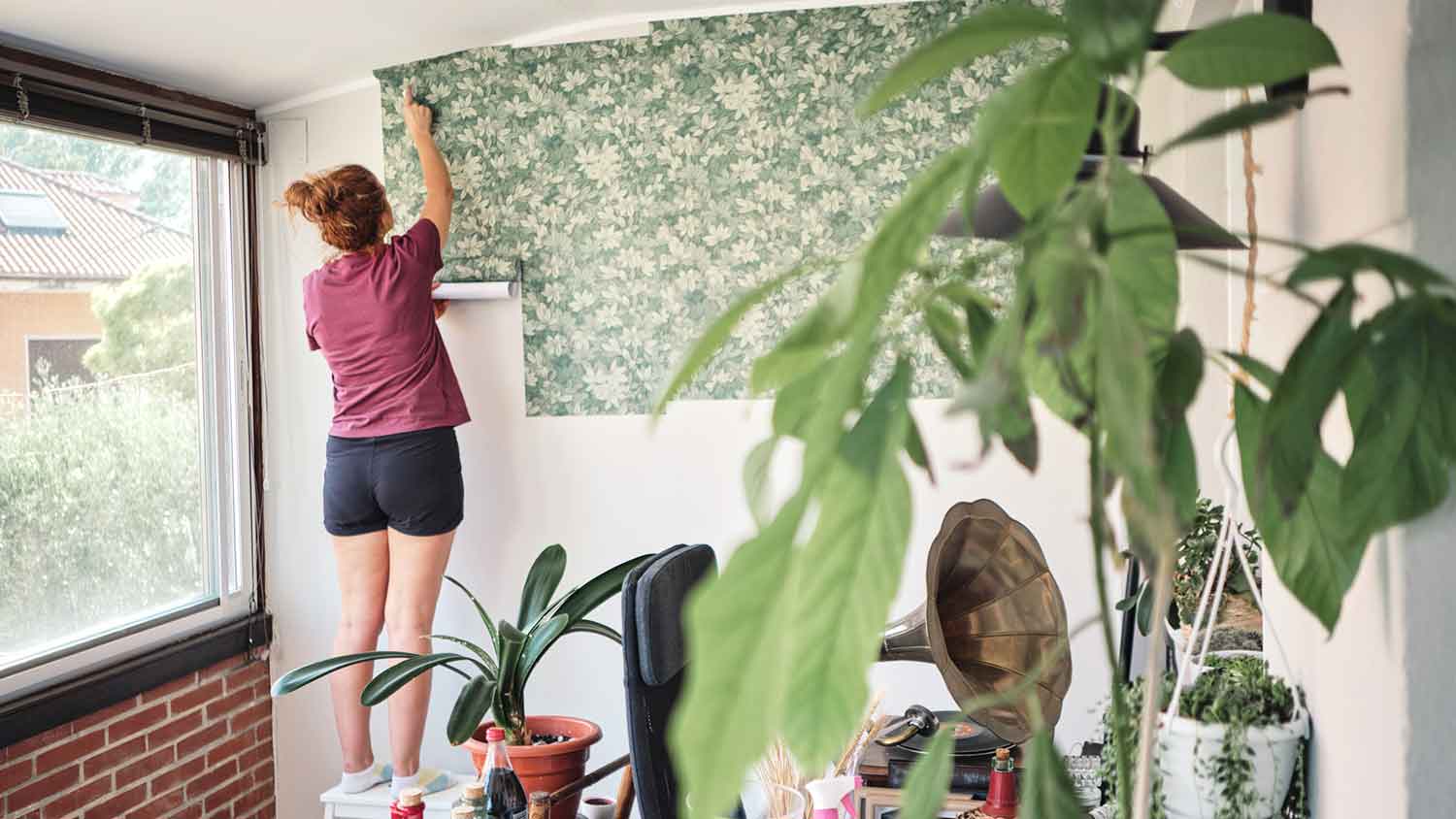
In most cases, it is not recommended to wallpaper over existing wallpaper, as the success depends on the type of paper already on the wall. While you might be able to cover non-coated wallpaper, you should never apply new wallpaper over a vinyl-coated one, which is more common. Doing so can lead to poor adhesion, resulting in bubbles, imperfections, and peeling. It can also trap moisture, potentially causing hazardous mold growth between the layers.
Even if the existing wallpaper is suitable, experts recommend applying only one new layer. Adding multiple layers (more than two total) can cause significant adhesion problems, leading to warping and bubbling. For the best results, the recommended approach is to remove the old wallpaper and all paste residue before hanging the new paper. If you are unsure about your wallpaper type, consider consulting a professional.
To remove adhesive-backed wallpaper, you’ll need to soften the adhesive before you try peeling the wallpaper off the walls. You may wonder whether peel-and-stick wallpaper damages walls. It can depend on the removal method. Make sure to be patient and consider using a steamer, hair dryer, or adhesive remover to carefully take down adhesive-backed wallpaper.
The Leoti, KS homeowners’ guide to wallpaper removal services
From average costs to expert advice, get all the answers you need to get your job done.
Discover wallpaper installation cost. Learn about material, labor, and project factors to estimate your budget and make informed choices for your home.
Planning a room update? Learn about the wallpaper removal process, costs to expect, and how to find and hire the right local pro for a paint-ready finish.
Taking down wallpaper is a tedious and time-consuming job. Here are some tips on how to hire someone to remove wallpaper for you to make your life easier.