Top-rated energy efficiency auditors.

Get matched with top energy efficiency auditors in Downs, KS

Enter your zip and get matched with up to 5 pros

Need a pro for your energy efficiency auditing project in Downs, KS?

Select your specific project to find the pro for you.

Find Energy efficiency auditors in Downs

Energy Efficiency Auditing questions, answered by experts

Yes, mini-split or ductless AC systems add value to a home and do not devalue it. They are an attractive feature for potential buyers, especially in older homes without existing ductwork, as they provide a practical air conditioning solution without the significant expense and hassle of installing traditional ducts. Ductless systems also eliminate issues associated with conventional ductwork, such as noise and the potential for pests. Furthermore, homeowners value energy-efficient solutions, and mini-splits offer high efficiency for both heating and cooling, plus zoned temperature control. This leads to lower energy consumption and reduced electric bills, which is a major selling point.

Yes, a dirty air filter can cause a higher electric bill. That’s because clogged filters make it harder for air to flow through your HVAC system, which forces it to work harder and use more energy. According to the U.S. Department of Energy, replacing dirty filters can save you between 5% and 15% in utility costs.

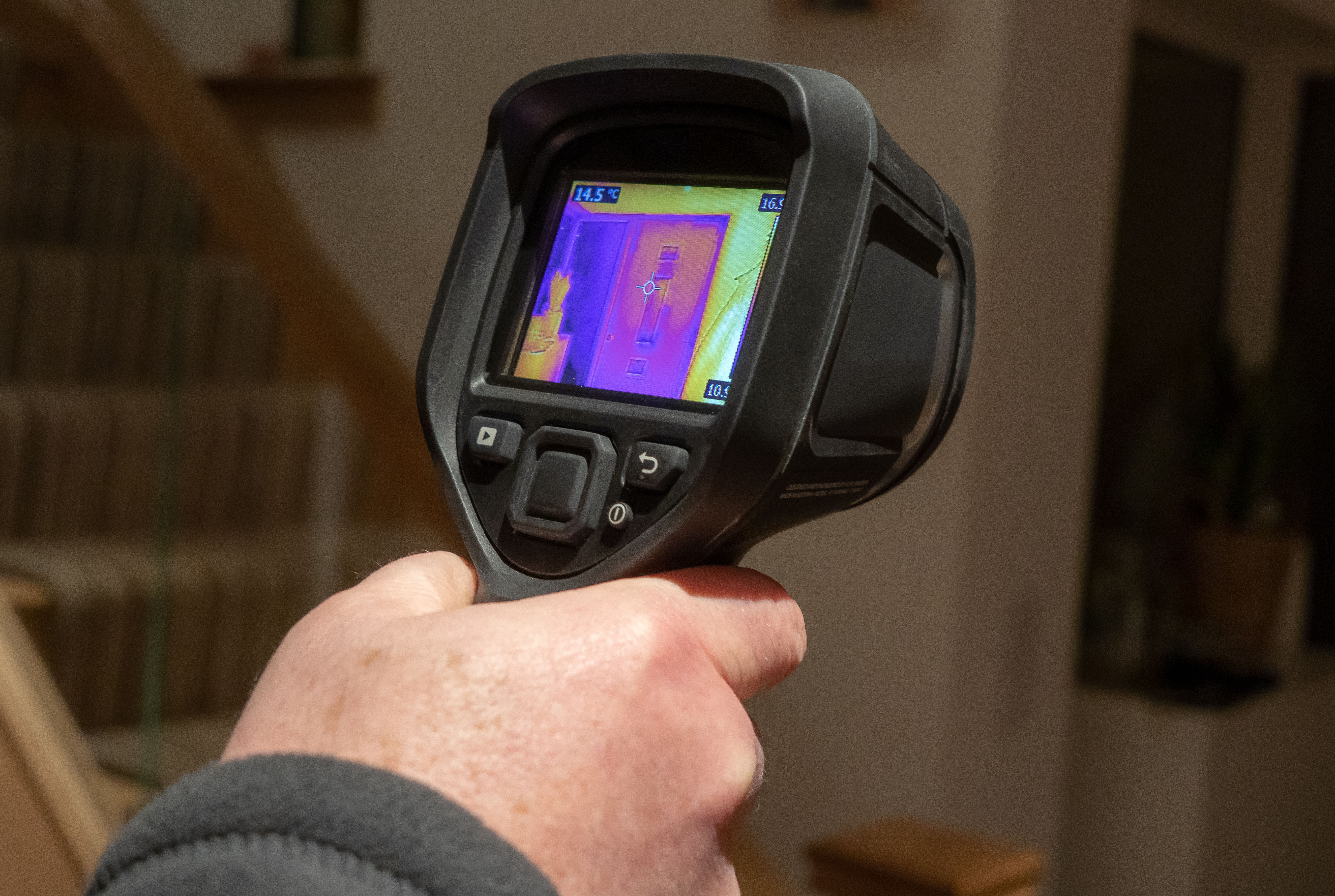
The difference between an energy auditor and a home inspector is primarily in the purpose of the inspection. The energy auditor conducts tests in your home to determine the energy efficiency levels in areas like windows, insulation, and doorways. The auditor then makes recommendations for ways to improve a home’s energy efficiency

A home inspector examines various structures of your home to determine that everything is up to code and gauge the condition of features like the roof, foundation, HVAC, and electrical. The home inspector reports on the overall home and makes repair recommendations.

Blower door tests are measured in a few different ways, but the most popular are air changes per hour (ACH) and cubic feet of air (CFM) moving through the house per hour. A good ACH score is less than 2ACH, but 1ACH is better. This means the house experiences a total air change within 60 minutes (for 1ACH). For 2ACH, there’s a complete change every 30 minutes, and so on. CFM scores are similar in that a lower score means less air change, and therefore less leakage.

They’ll use more electricity than the average upright vacuum, but not remarkably more. Most power units plug into a standard 120-volt outlet and don’t have significant power demands. You shouldn’t notice an increase in electricity bills. If you have any specific questions about energy costs, ask your installer as you examine purchase decisions. Larger power units will need more electricity for their suction levels.

The Downs, KS homeowners’ guide to energy efficiency auditing services

From average costs to expert advice, get all the answers you need to get your job done.