Booher's Flooring is your number one Flooring expert in Manhattan for the last 21 years! Our passion and experience shine through on every job, big or small. We pride ourselves on attention to detail and building long-lasting business relationships with our clients. Call today for an estimate!
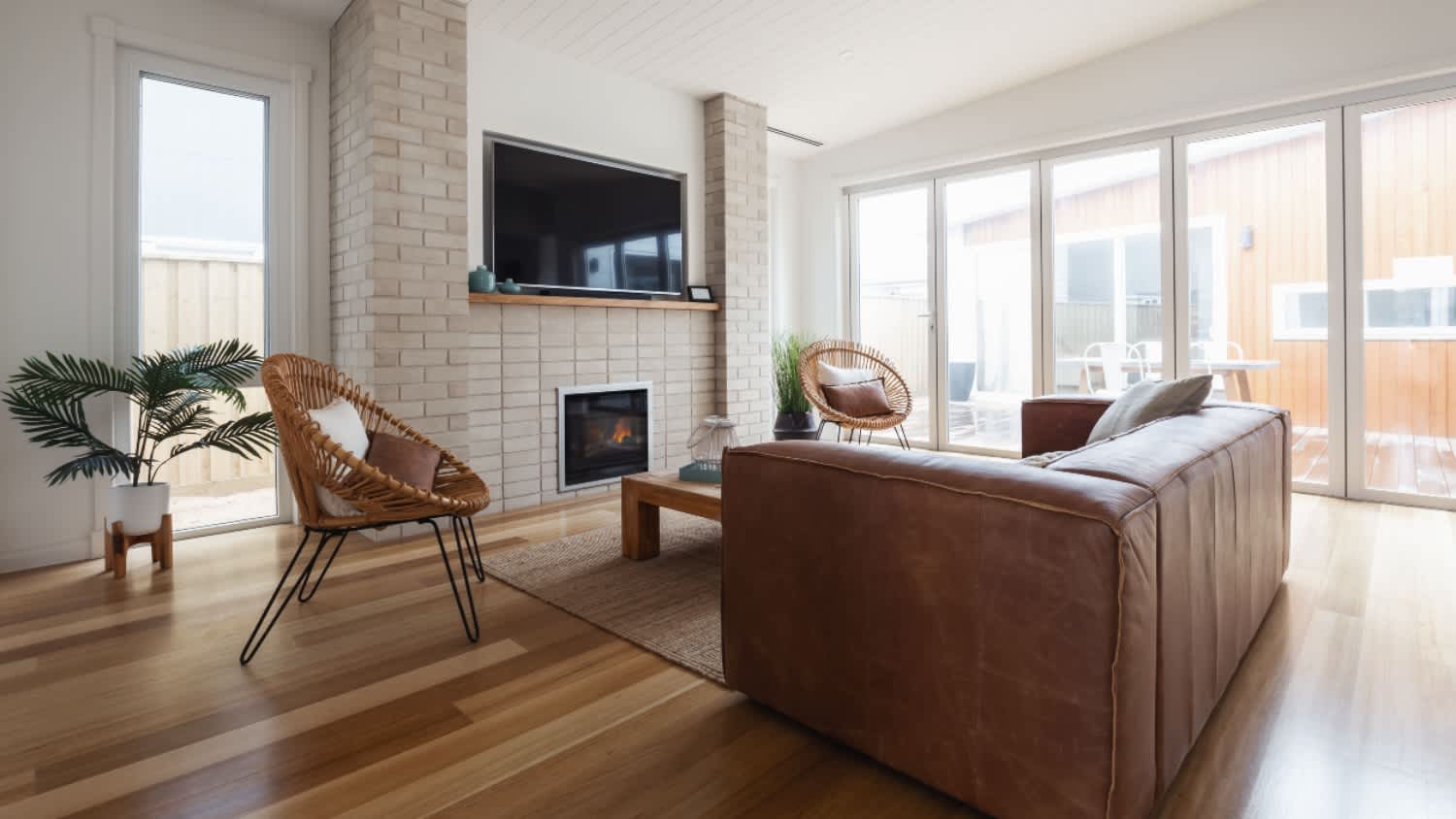
To maintain wood floors, sweep them regularly and mop using wood-safe cleaners. To protect the floors from wear and extend their lifespan, you should apply a sealant periodically and refinish them when needed.
If you’re cleaning or repairing laminate floors, avoid anything abrasive like heavy-grit sandpaper or steel wool. Because the image layer is protected by a topcoat, the image layer is more vulnerable to scratches and damage if the topcoat is damaged. And if the image layer is scratched, it can reveal the wood fiber core.
You can mop bamboo floors, but exercise caution to protect the material from excess moisture, which can seep into the bamboo, causing it to warp and well. Moisten a microfiber mop and wring it out until it’s just damp, or use a pH-neutral cleaner, as this will prevent damage to the bamboo fibers. Avoid harsh chemicals, like traditional floor cleaners. After cleaning, wipe the floor dry.
There are many benefits to hiring a professional floor cleaner. First, these flooring pros know the right chemicals for your flooring type, which is essential for its longevity. Likewise, they have the proper deep-cleaning equipment, which is often more complex than a mop or broom. Not only that, but deep cleaning your floors can be a time-consuming process, and by hiring a professional, you can spend that time on other home improvement projects.
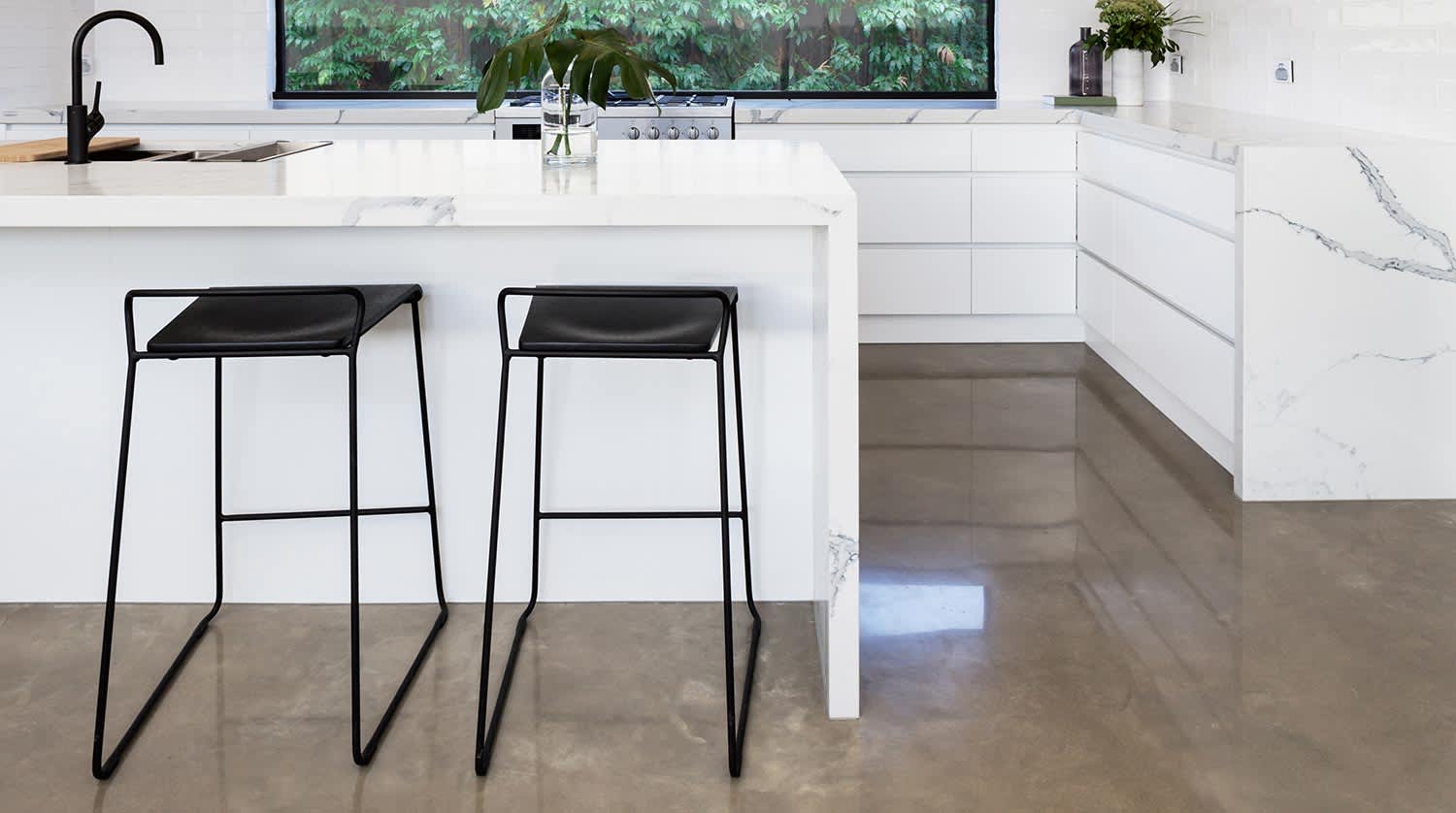
Yes, but with caution. A floor grinder is intended to level and polish concrete, so it is a very powerful tool. To remove paint, the floor grinder should be set to 35 square feet per minute or less to minimize the pressure without the use of pocket weights. You might need to go over the surface two times to get any paint that has sunk into the concrete’s pores.
The Clyde, KS homeowners’ guide to floor polishing services
From average costs to expert advice, get all the answers you need to get your job done.
Polished concrete floor costs depend on the size of the area you’re targeting and the style of concrete floor. Our guide breaks down all the cost factors.
It’s impossible to keep floors damage-free over the years. Thankfully, the cost to refinish hardwood floors is far less than the price tag to replace them altogether.