"Bought a new home that has a Hot Springs tub. I've never owned an outdoor hot tub, so needed Joe to help clean and service the tub and teach me how to maintain the tub on my own. He was very responsive as we coordinated a day and time, and he was more than happy to share details about the tub and how to care for it. He gave me tips on what I should and should not be concerned with and then the step by step on chemicals and maintaining proper PH, etc. I never questioned his knowledge. He was thorough and very helpful and had a nice laid back approach.Apparently he spent many years working for Hot Springs and has been caring for customers for many many years as a service person. I'll continue to use and recommend Joe. "
"My air conditioner was not working so I contacted my home warranty service and they sent a local company representative to checkout the problem. It was a capacitor - the technician installed the part and it has been working ever since."
Considering the cost of tools, parts, and hiring assisted labor, building your own sauna can cost almost as much as purchasing one. It is less expensive to buy sauna kits, since they are premade and easier to set up. Still, you may need to hire a professional to assist in electric or plumbing installation.
A home sauna may be considered a luxury item by some homebuyers, which can provide a good return on investment. However, whether it increases your home's value ultimately depends on the buyer, as some may not want to take on the extra costs and maintenance associated with heating and upkeep.
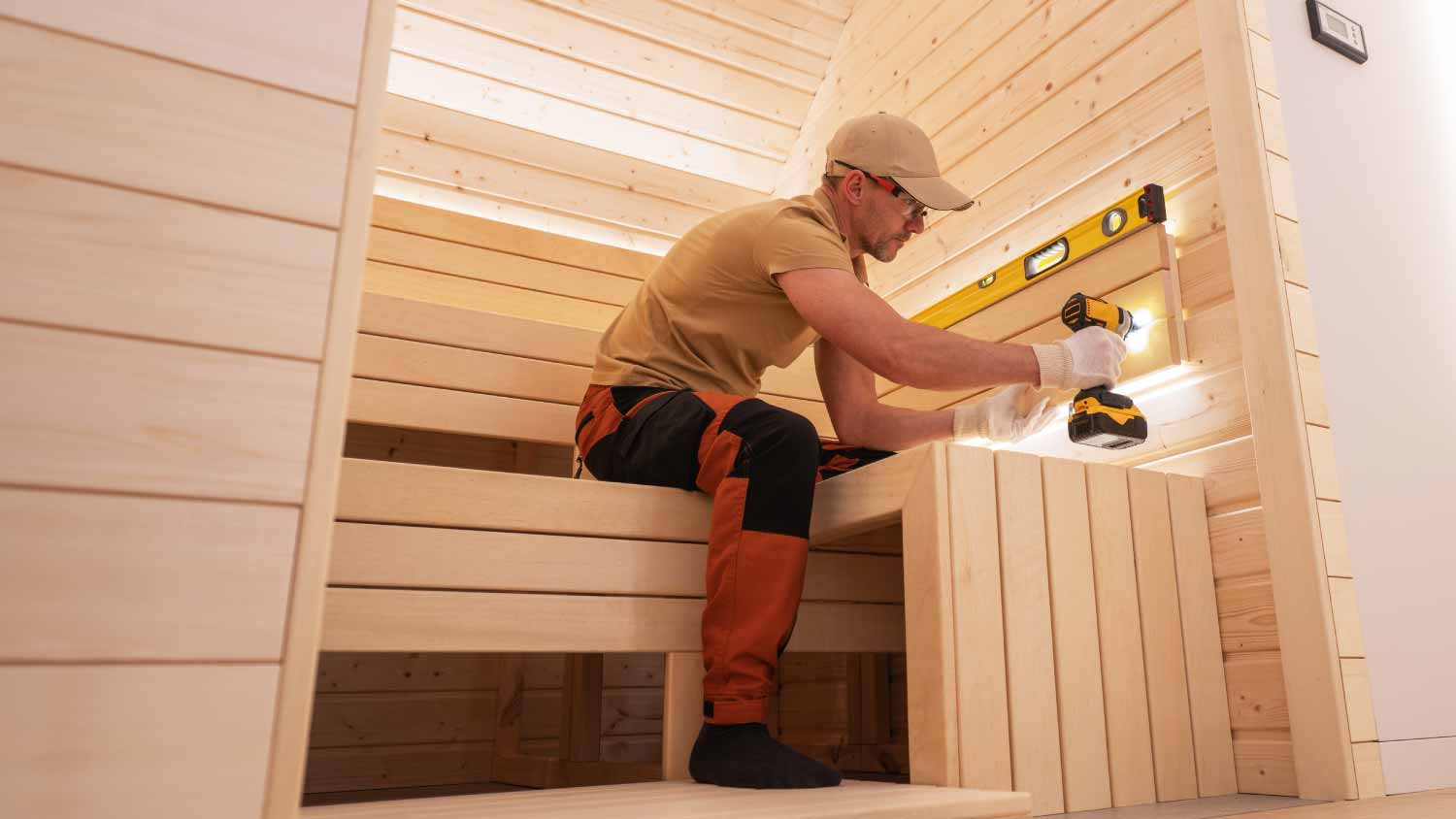
It will take several hours or more to build a sauna. A prefab kit will take anywhere from three to 20 hours to install, depending on complexity and your skill level. If you’re doing a custom build, it can take more than 50 hours—especially if you need to add ventilation, ductwork, and other renovations.
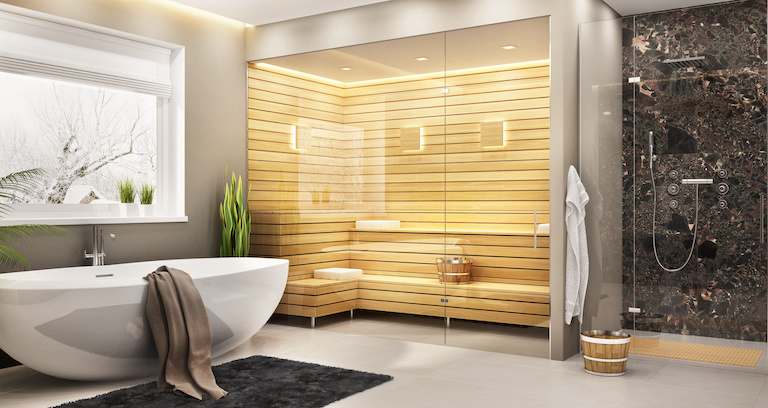
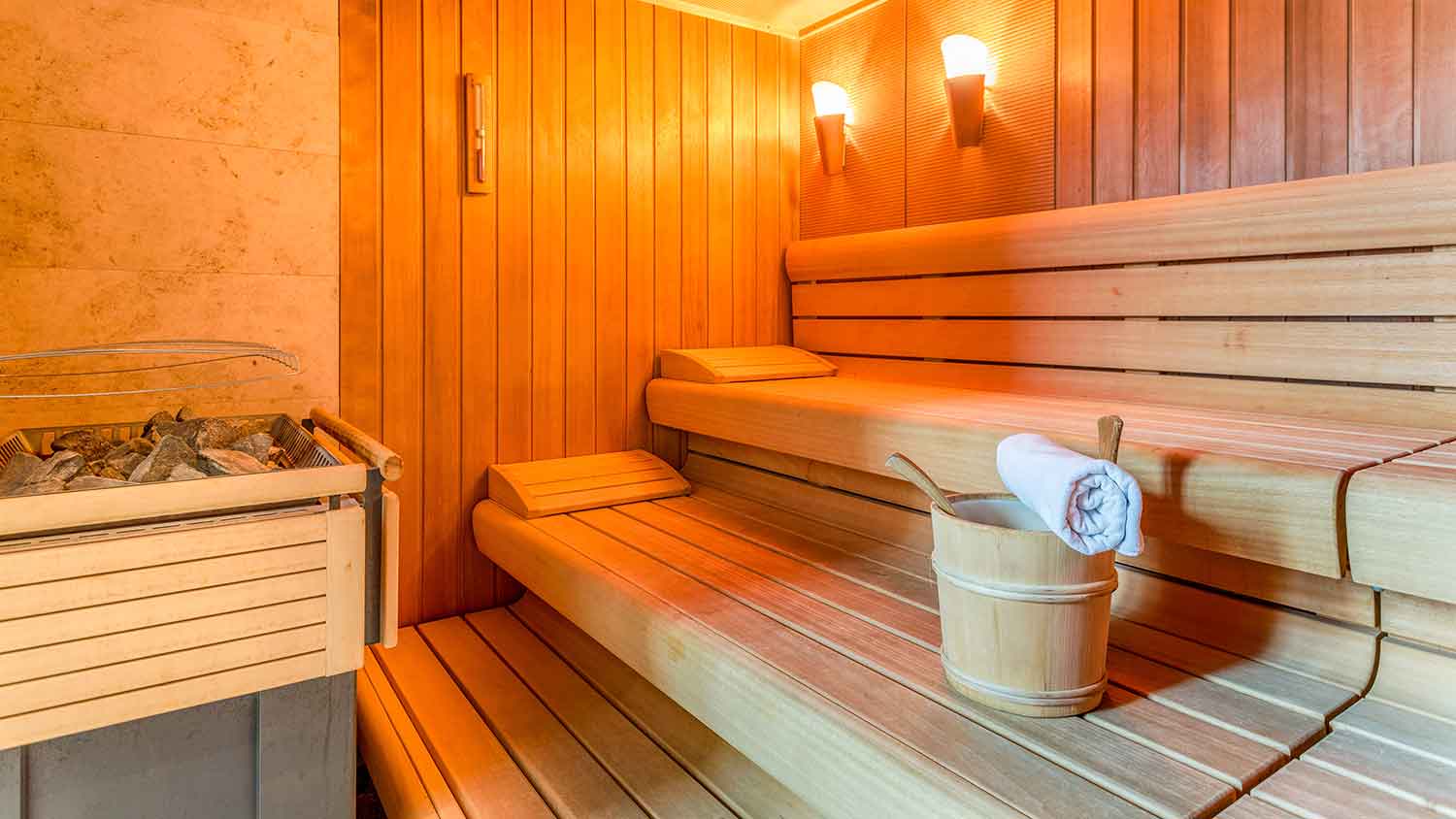
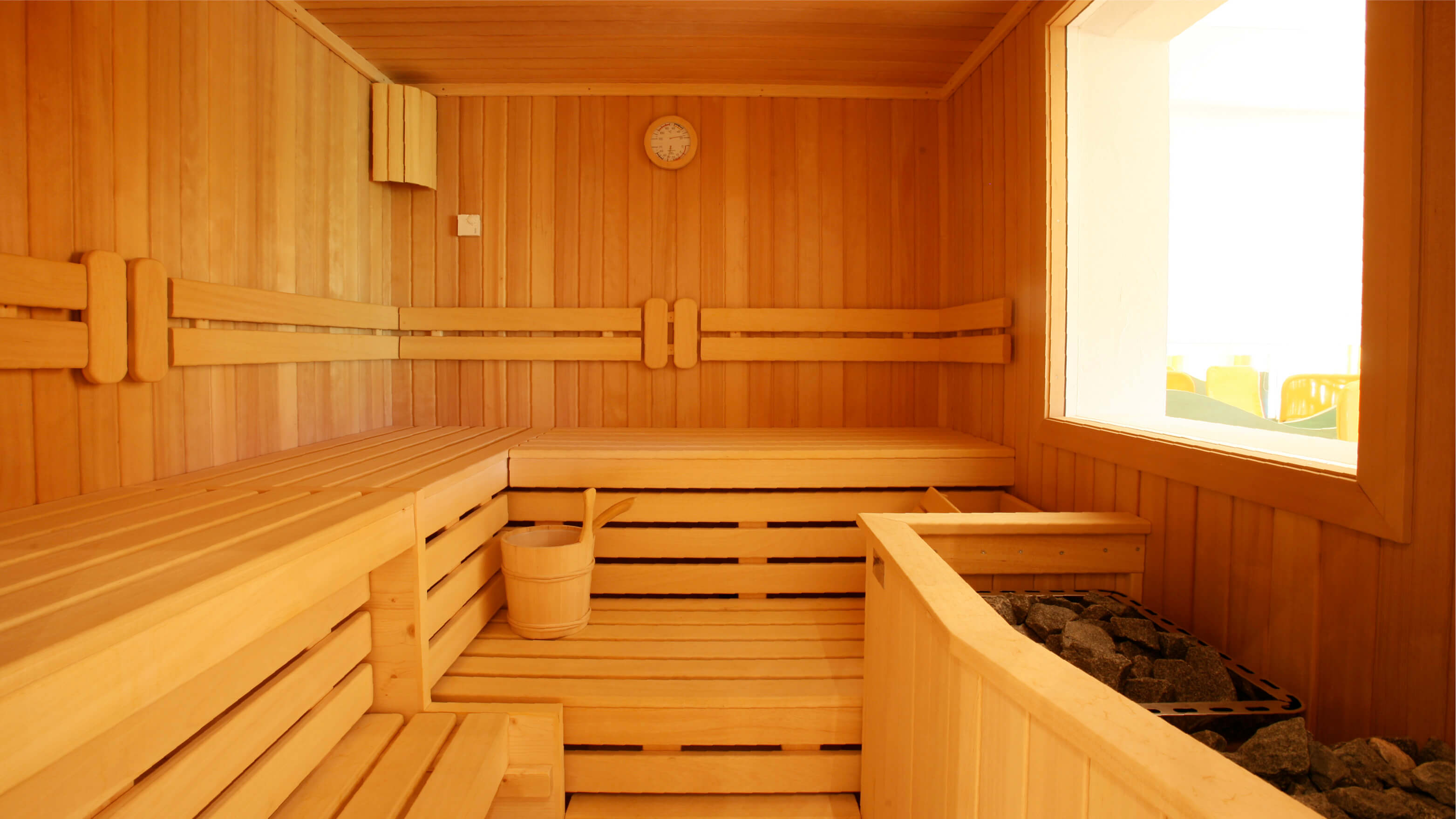
Most people will opt to put their home sauna outside near a pool or on a screened-in porch so the heat doesn’t move into the rest of the house. If your house has enough room, you may choose to put it in a bathroom so you can shower right after.
The primary difference between a steam shower and a sauna is the type of heat they produce. A sauna generates dry heat using electricity, while a steam shower creates wet heat from steam, resulting in nearly 100% humidity. A steam shower typically replaces an existing shower, has an opening at the top, and operates at a lower temperature (around 90-120°F) than a sauna, though the high humidity can make it feel just as warm. It is advisable to limit steam sessions to 20 minutes. In contrast, a sauna is a fully enclosed space that can be placed anywhere in a house and produces dry heat.
The Windfall, IN homeowners’ guide to sauna installation services
From average costs to expert advice, get all the answers you need to get your job done.
Home sauna costs aren’t cut and dry. It depends on the model and your space. If you want to install a sauna, this guide will help you plan your budget.
Find out what impacts sauna repair cost, get estimates, and learn how to save on repairs. Empower your budget with expert tips for every sauna repair scenario.
If you’re wondering who to call to install a sauna, we’ve got you covered. This guide weighs the pros and cons of hiring a sauna installer versus an electrician.