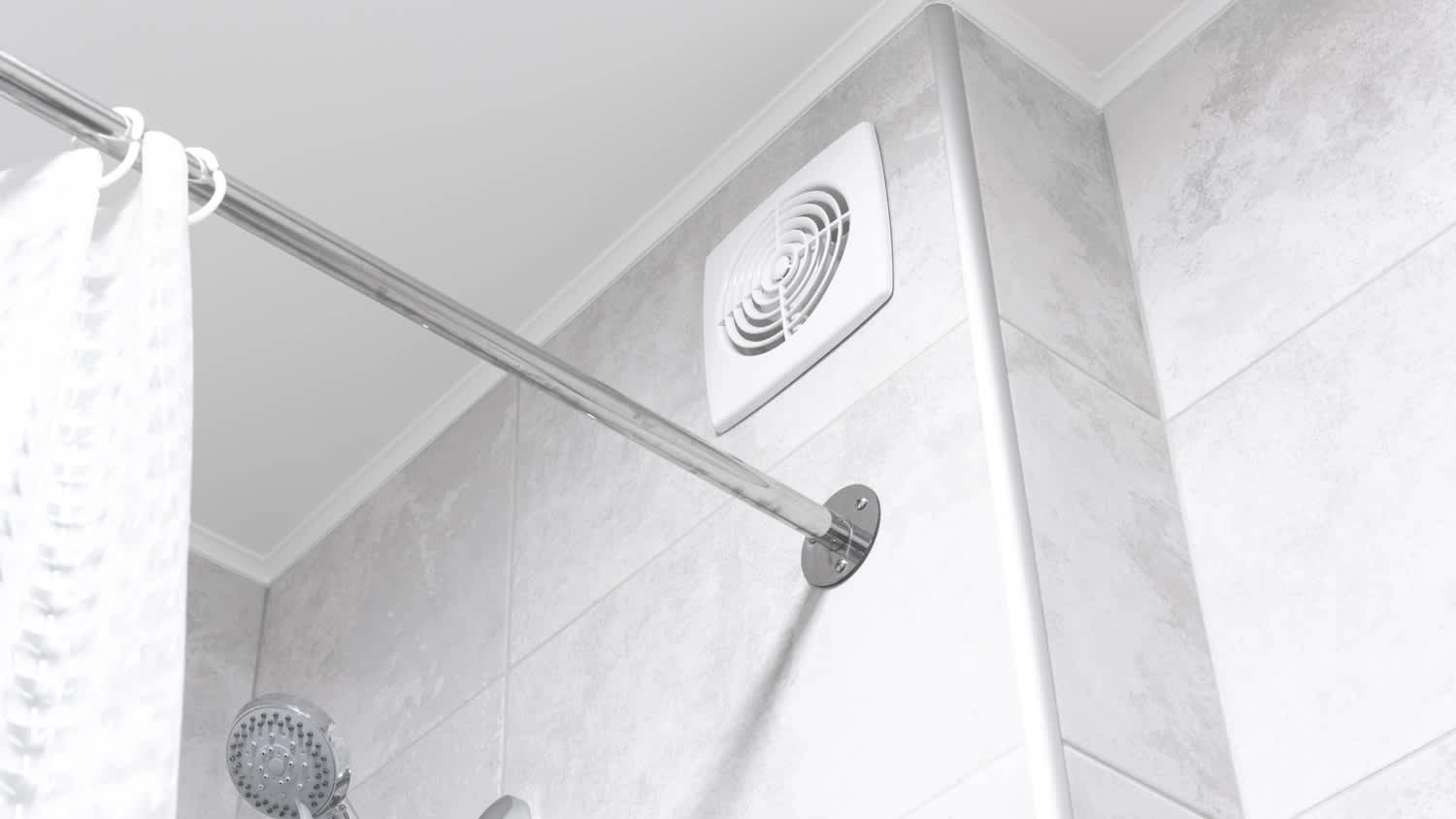








Top-rated bathroom fan installation pros.

Get matched with top bathroom fan installation pros in Whiting, IN

Enter your zip and get matched with up to 5 pros

Need a pro for your bathroom fan installation project in Whiting, IN?

Select your specific project to find the pro for you.

TRUSTED BY WHITING, IN HOMEOWNERS

  • Average homeowner rating star icon4.4
    Average homeowner rating
  • Verified reviews icon961
    Verified bathroom fan installations reviews

Find Bathroom fan installation pros in Whiting

Avatar for Illiana Electrical, LLC
Illiana Electrical, LLC
4.7(
68
)
Bath Exhaust Fan - Repair

Serving Whiting, IN and surrounding areas

Approved

In business since 2021

Free estimates

Credit card accepted

"Service oriented and efficient. Have hired them four times to do things that I needed fiixed or a new project that I needed installed. Can't say enough positive things about them. Found them by accident, but feel like I was given a gift. Plan on calling them everytime I need electrical work done."
Ford F-150 Charger
Ford F-150 Charger
Ford F-150 Charger
outside pipe run
Electrical installation

+2

Response time9 hrs
Response rate95%
15 neighbors recently requested a quote
Avatar for Juan-Stop Construction
Juan-Stop Construction
4.2(
20
)
Bath Exhaust Fan - Install

Serving Whiting, IN and surrounding areas

Approved

In business since 2022

Free estimates

Small jobs welcome

"Juan remodeled our bathroom including replacing framing under a glass block style window, replaced our tub, installed tile in our shower, recessed our medicine cabinet, and installed a new exhaust fan. Phenomenal work at a fair price! Even offered to repaint the bathroom after at a generous price! Will definitely be working with him in the future!"
Response time1 day
Recommended by76%of homeowners
...
Showing 1-10 of 112
Bathroom Fan Installation questions, answered by experts

It is unlikely that a ceiling fan will fall, even if it develops a wobble. During a proper installation, ceiling fans are securely bolted to a ceiling joist, and the fasteners used for mounting are generally separate from the components related to balancing. A wobble is typically caused by an imbalance, which can be annoying and may lead to other issues, but is not usually dangerous on its own.

However, if a fan is wobbling because it was not installed correctly, it could be at risk of falling. For safety, it's always a good idea to ensure all mounting screws are tight and to address any wobbling or imbalance issues promptly.

A whole-house fan will not allow you to control your home's temperature and keep it at a specific temperature like a traditional AC unit would. You rely on the night and morning weather to cool your home down efficiently. Also, whole-house fans can be loud and may allow cold air to enter your home in the winter. They also require penetrations through your exterior walls or roof, which could invite water and pests in if they aren’t installed properly.

Most people describe the sound of an unbalanced ceiling fan as a buzzing or grinding noise. This is caused by the parts of the fan rubbing or rattling against each other as the blades spin. However, a wobbling fan can also make squeaking, rattling, or thumping sounds, depending on the severity of the balance issue.

There are many types of ceiling fans available, each designed for different spaces and needs. Standard ceiling fans are the most common type and work well in most rooms. Low-profile ceiling fans are better suited for rooms with low ceilings. Smart ceiling fans can be controlled with a smartphone or voice commands. For larger spaces with ceilings between 10 and 25 feet high, large ceiling fans are ideal. Dual-motor fans have two motors to produce more airflow in multiple directions. You can also find energy-efficient or Energy-Star models that can be up to 60% more efficient, as well as fans with built-in lights or retractable blades.

Before committing to this new project, you’re likely weighing the pros and cons of attic fans. The good news is that typical roof vents can only ventilate 150 to 300 square feet per unit, whereas a single attic fan can circulate enough air to vent an entire attic. By moving large volumes of air within and out of the attic space, an attic fan can lower the temperature by 15 to 40 degrees Fahrenheit and reduce moisture to prevent mold and mildew.

The Whiting, IN homeowners’ guide to bathroom fan installations

From average costs to expert advice, get all the answers you need to get your job done.