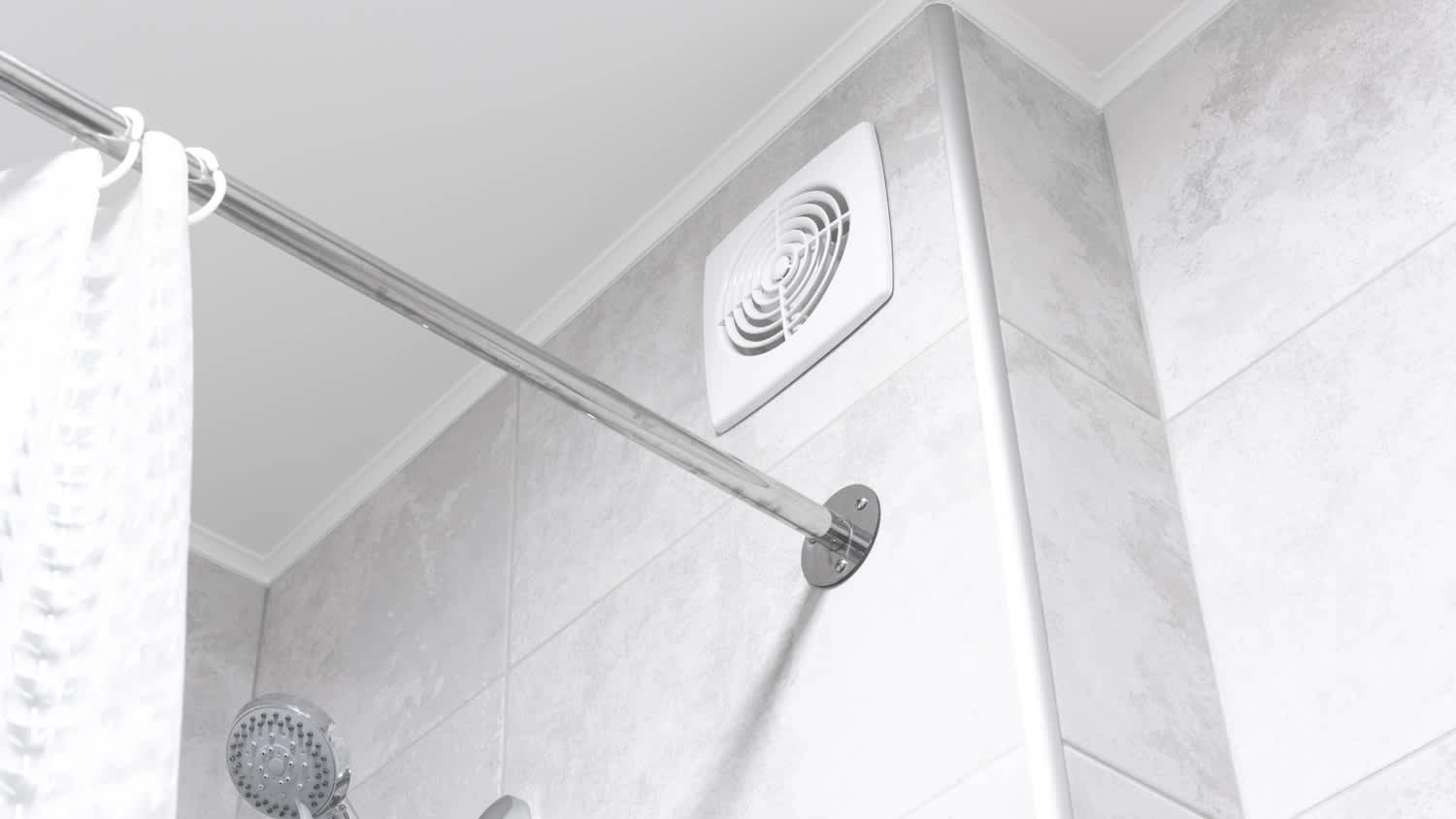






Top-rated bathroom fan installation pros.

Best bathroom fan installation pros near Phoenix, IL

Enter your zip and get matched with up to 5 pros

Need a pro for your bathroom fan installation project in Phoenix, IL?

Select your specific project to find the pro for you.

TRUSTED BY PHOENIX, IL HOMEOWNERS

  • Average homeowner rating star icon4.5
    Average homeowner rating
  • Verified reviews icon952
    Verified bathroom fan installations reviews

Top-Rated Bathroom fan installation pros in Phoenix - Updated Nov 2026

All Service Calls, LLC
4.5(
41
)
Bath Exhaust Fan - Install

Serving Phoenix, IL and surrounding areas

Approved

In business since 2003

Free estimates

Emergency services offered

"I cannot say enough good things about Abraham and his team. They were indispensible during a challenging and stressful move. Not only did they do a superb job of installing a ceiling fan to an 18ft ceiling, multiple patch repairs, seamlessly replacing and installing bathroom extractor fans that into non standard sized spaces, filling countless nail holes and repainting, and reattaching a dislodged dishwasher, Abraham did all of this amidst the chaos of a move and made MULTIPLE trips to Home Depot to color match paints when I provided the wrong cans. He was patient, thorough, and went WAY above and beyond any expectations in both service, execution, and generosity. If you have anything you need done in your home, make these guys your first call!"
Response time3 hrs
Response rate99%
Recommended by94%of homeowners
...
Showing 1-10 of 254
Bathroom Fan Installation FAQs, answered by experts

Before committing to this new project, you’re likely weighing the pros and cons of attic fans. The good news is that typical roof vents can only ventilate 150 to 300 square feet per unit, whereas a single attic fan can circulate enough air to vent an entire attic. By moving large volumes of air within and out of the attic space, an attic fan can lower the temperature by 15 to 40 degrees Fahrenheit and reduce moisture to prevent mold and mildew.

Exhaust fans push air out of spaces, removing moisture, heat, odors, and pollutants. They vent air outside through ducts, preventing mold and improving air quality. Unlike ventilation fans, which circulate fresh air in and out, exhaust fans focus solely on expelling unwanted indoor air.

The square footage of your room will dictate the correct ceiling fan blade size. For example: 

  • Rooms smaller than 75 square feet require a fan that is 29 to 36 inches.

  • Rooms up to 175 square feet require 42- to 48-inch fans.

  • Rooms up to 350 square feet require 52- to 56-inch fans.

  • Expansive spaces over 350 square feet need a fan larger than 60 inches.

There are many types of ceiling fans, each with specific features and advantages. Standard ceiling fans are a traditional choice suitable for most spaces and can be made from materials like plastic, wood, metal, or fiberboard. For rooms with low ceilings, low-profile fans are a better fit. Other specialized types include smart fans, which you can control with a smartphone or voice commands, and dual-motor fans that provide increased airflow in multiple directions. For energy savings, Energy-Star certified fans can be up to 60% more efficient than standard models, helping to lower your utility bill. You can also find fans with built-in lights, fans with retractable blades, and large ceiling fans designed for spacious rooms with ceilings between 10 and 25 feet high.

A tripped circuit breaker, broken pull chain, faulty wiring, or a bad motor or capacitor are all common causes for a fan to stop working.

The Phoenix, IL homeowners’ guide to bathroom fan installations

From average costs to expert advice, get all the answers you need to get your job done.