




Top-rated lead testing and removal specialists.

Best lead testing and removal specialists near Spiceland, IN

Enter your zip and get matched with up to 5 pros

Need a pro for your lead testing and removal project in Spiceland, IN?

Select your specific project to find the pro for you.

Top-Rated Lead testing and removal specialists in Spiceland - Updated Nov 2026

Avatar for L & R Restoration, LLC
L & R Restoration, LLC
4.9(
15
)
Toxic Lead - AbatementToxic Lead - Testing

Serving Spiceland, IN and surrounding areas

In business since 2010

Emergency services offered

"They were responsive, professional, and actually show up when they said! This was a complex restoration, and R&R had to coordinate with the cabinet makers, countertop installers, and other subs during the almost 4-month job. There were a few hiccups of course, as any large job is sure to have, but Rob and his crew were always fast to make things right without any griping. We were very satisfied."
Recommended by100%of homeowners
Lead Testing and Removal FAQs, answered by experts

Some of the signs that could mean your water is contaminated, such as cloudiness or bubbliness, could also be non-problems that don’t affect your water’s potability. However, if your water smells or tastes strange, it’s a good idea to stop drinking it and test it immediately. If your well water is contaminated, the best way to discover that is to test it.

The average cost of a lead paint inspection is about $600, but it can cost as low as $150 or as much as $800, depending on the size of the area, geographic location, and the inspection methods. Some of the most common lead paint inspection methods include:

  • Visual inspection: $150–$400

  • Paint sampling: $200–$600

  • X-ray fluorescence (XRF): $250–$700

  • Risk assessment: $300–$800

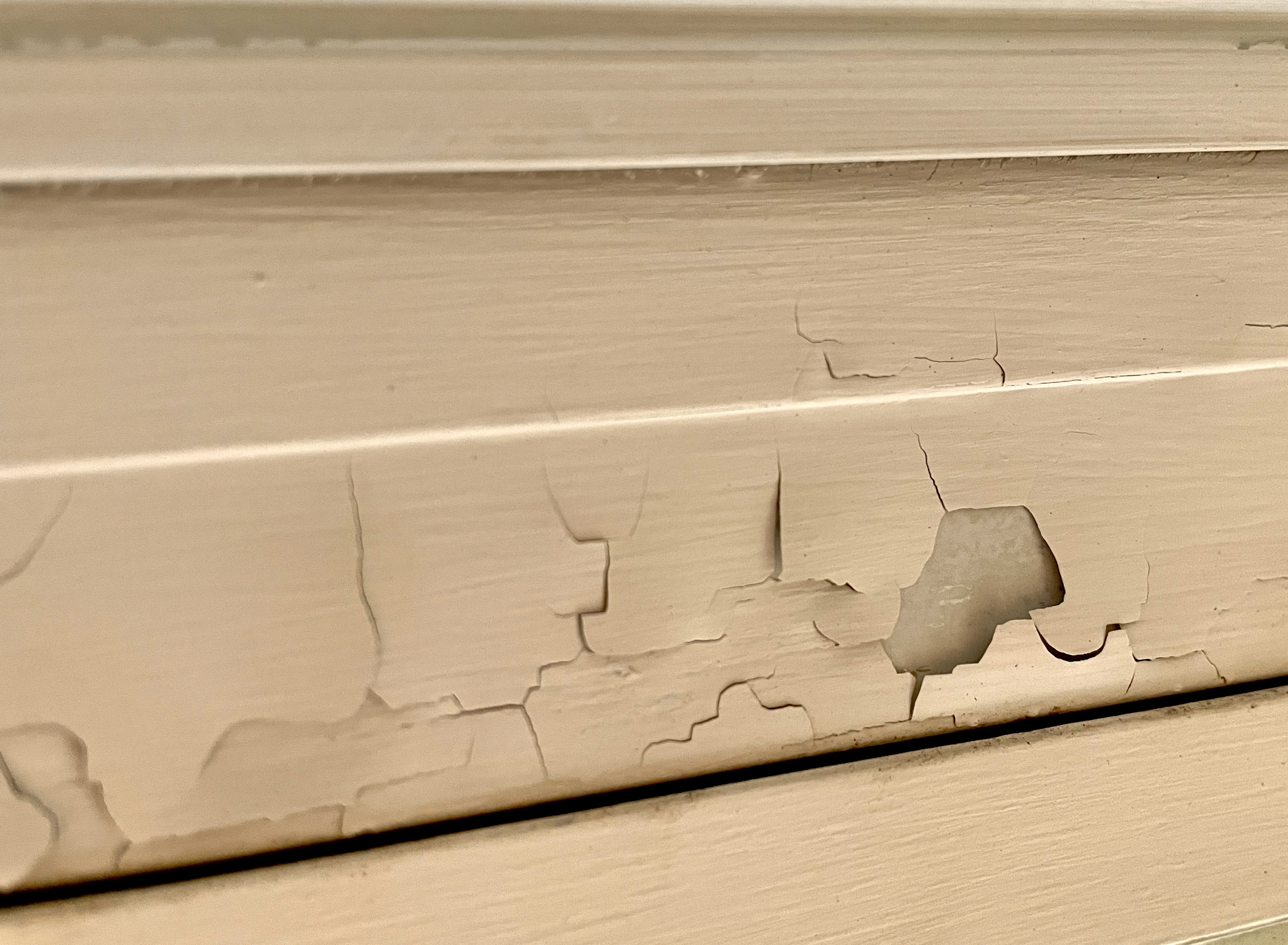
If the lead paint is in a place that is not easily disturbed and is not flaking or deteriorating, you do not necessarily need to remove it. Lead is toxic when dust particles or flakes from peeling lead paint are ingested. If people are not in the area with the lead paint, it may be safe to leave it in place. You still may want to consider encapsulation with a paint formulated for covering lead-based paint, just for an added layer of protection.

According to the Environmental Protection Agency (EPA), hazardous waste is generally classified into four main categories:

1. Characteristic Wastes: These exhibit at least one of four hazardous traits: ignitability (flammable, like gasoline), corrosivity (can rust or decompose materials, like car batteries), reactivity (unstable and can explode, like aerosol cans), or toxicity (harmful when ingested, like lead-based paint).

2. Listed Wastes: These are specific wastes from manufacturing and industrial processes that the EPA has officially designated as hazardous. They include byproducts from processes that use solvents, pesticides, and other chemicals.

3. Universal Wastes: These are commonly generated hazardous items that are subject to streamlined regulations. Examples include batteries, pesticides, mercury-containing equipment (e.g., bulbs), and some lamps.

4. Mixed Wastes: This category includes waste that contains both hazardous and radioactive components, making it subject to regulation by both the EPA and the Nuclear Regulatory Commission.

A lead paint inspection is a thorough examination and assessment of a building or structure to determine the presence of lead-based paint. Lead-based paint was commonly used in buildings before 1978 when its health hazards were fully understood. Lead is toxic and can pose health risks, particularly to young children and pregnant women. Getting a lead paint inspection means finding a lead paint inspector to examine the surfaces of the building—such as walls, ceilings, doors, windows, and other painted areas—and identify the presence of lead-based paint.

The Spiceland, IN homeowners’ guide to lead testing and removal services

From average costs to expert advice, get all the answers you need to get your job done.