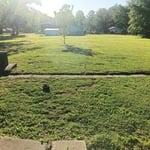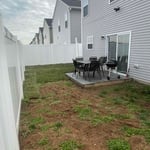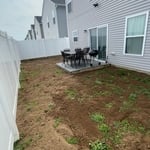





Top-rated weed maintenance pros.

Best weed maintenance pros near Smithville, IN

Enter your zip and get matched with up to 5 pros

Need a pro for your weed maintenance project in Smithville, IN?

Select your specific project to find the pro for you.

TRUSTED BY SMITHVILLE, IN HOMEOWNERS

  • Average homeowner rating star icon4.5
    Average homeowner rating
  • Verified reviews icon237
    Verified weed maintenance services reviews

Top-Rated Weed maintenance pros in Smithville - Updated Nov 2026

Fentons Lawn and Landscaping, LLC
4.7(
35
)
Lawn Care - Maintain and Mow a Lawn

Serving Smithville, IN and surrounding areas

Approved

In business since 2019

Free estimates

Small jobs welcome

"Quickly got in touch with me and very clearly explained my options, costs, and what would be involved in my services. When a snag came up that required more work, was immediately notified and given more options to deal with it, if I chose to. Price was amazing and I am very happy with the services rendered."
Response time1 day
Response rate85%
Recommended by100%of homeowners
...
Showing 1-10 of 122
Weed Services FAQs, answered by experts

Noxious weeds can be poisonous or act as an irritant to humans, but not all are directly harmful. However, indirectly, noxious weeds also compete with native species, effectively affecting our local ecosystems of plants, pollinators, and other animals.

Yellow patches, poor growth, or widespread weeds indicate a need for treatment. Soil testing can confirm nutritional deficiencies that require intervention.

Johnsongrass and crabgrass are invasive weeds that can overtake your lawn. Crabgrass is a low-growing grass most often seen in lawns, flower beds, and vegetable gardens. While you may find Johnsongrass growing in your lawn, it will also grow in pastures, crop fields, and the edge of the road. Johnsongrass is much coarser than crabgrass. If left alone, Johnsongrass can grow up to 8 feet tall. 

Too much clover in your lawn can indicate several issues with your soil. Clover can thrive in soils with abnormally high pH, low-cut grass, and low nitrogen. Amending these issues can push clover out for good.

Hardy perennial clover loves the low nitrogen and compact conditions that often come with poor, infertile soils. But other factors also contribute to a clover explosion, including drought conditions, cool temperatures, under fertilization, and over-irrigation. You’ll need to evaluate all these elements when planning to kill off the clover.

If you have a lot of tree roots in your yard or have experienced issues in the past, you should use tree root killer every six months to prevent roots from infiltrating your pipes. If you have an active invasion and aren’t seeing results, check the instructions on the bottle to see how often you can use it in a short period of mine.

The Smithville, IN homeowners’ guide to weed maintenance services

From average costs to expert advice, get all the answers you need to get your job done.