



Top-rated lead testing and removal specialists.

Get matched with top lead testing and removal specialists in Notre Dame, IN

Enter your zip and get matched with up to 5 pros

Need a pro for your lead testing and removal project in Notre Dame, IN?

Select your specific project to find the pro for you.

Find Lead testing and removal specialists in Notre Dame

Avatar for Industrial Insulation solutions inc
Industrial Insulation solutions inc
4.3(
46
)
Toxic Lead - Abatement

Serving Notre Dame, IN and surrounding areas

Approved

In business since 2008

Free estimates

Offers commercial services

"Tomas came out and inspected the attic and gave me a good quote. Juan and his team came out and completed the removal in a few hours on one day and the insulation replacement in a few hours the next day. Good communication and good customer service.ð ð ¾"
24 neighbors recently requested a quote
Recommended by86%of homeowners

Lead Testing and Removal questions, answered by experts

Yes, testing professionals typically provide reports with recommendations for safe lead removal.

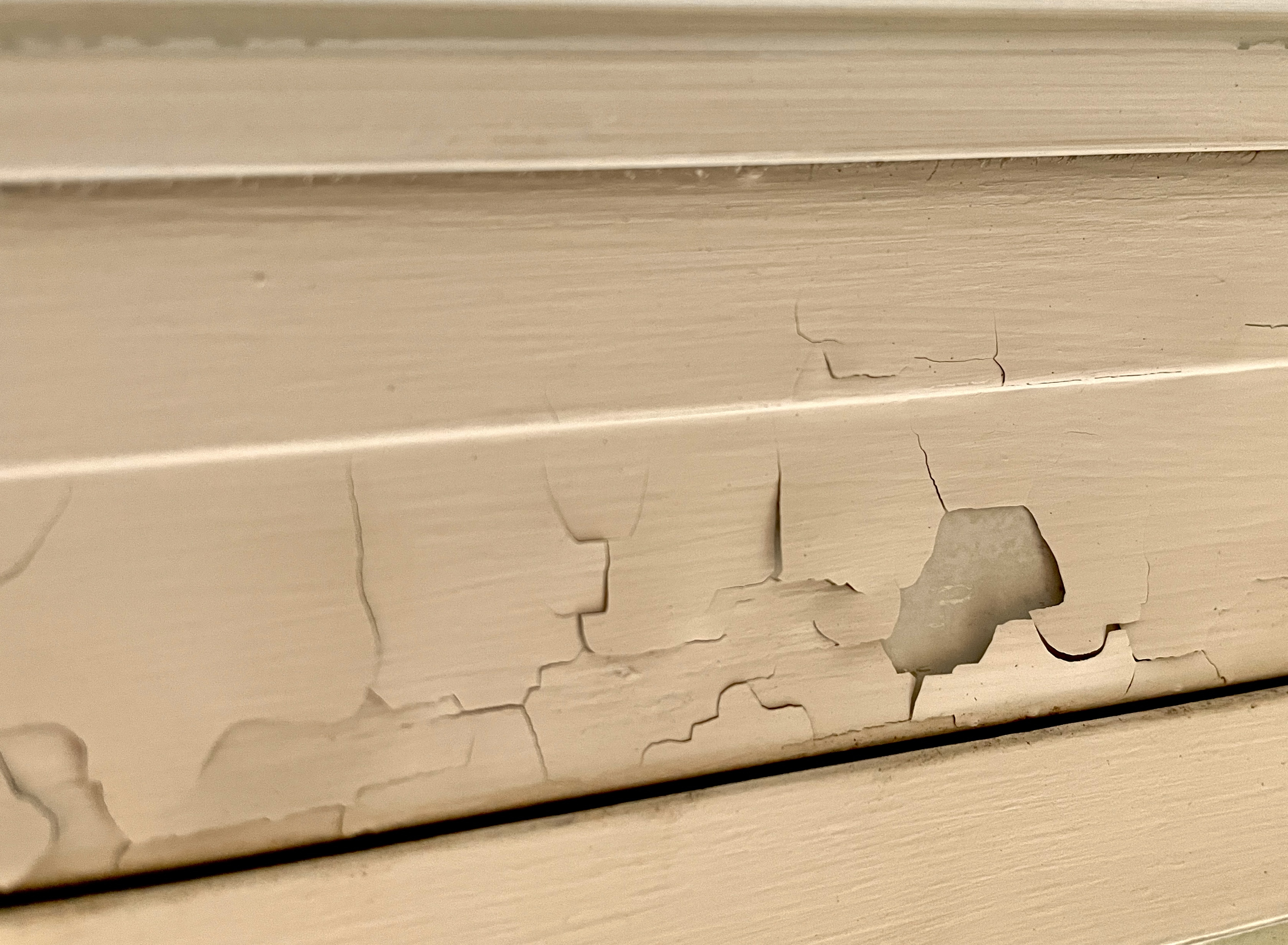
Properties should be tested for lead every 2-3 years, especially if they are older, have undergone renovations, or show deterioration of paint or interior finishes.

The average cost of a lead paint inspection is about $600, but it can cost as low as $150 or as much as $800, depending on the size of the area, geographic location, and the inspection methods. Some of the most common lead paint inspection methods include:

  • Visual inspection: $150–$400

  • Paint sampling: $200–$600

  • X-ray fluorescence (XRF): $250–$700

  • Risk assessment: $300–$800

No, you can’t place hazardous waste in a dumpster unless you specifically ordered a dumpster for hazardous waste removal. If the dumpster company finds hazardous waste that it didn’t approve for dumping, the company will return the waste to you, and you’ll likely face a fine for illegal dumping.

According to the Environmental Protection Agency (EPA), hazardous waste is generally classified into four main categories:

1. Characteristic Wastes: These exhibit at least one of four hazardous traits: ignitability (flammable, like gasoline), corrosivity (can rust or decompose materials, like car batteries), reactivity (unstable and can explode, like aerosol cans), or toxicity (harmful when ingested, like lead-based paint).

2. Listed Wastes: These are specific wastes from manufacturing and industrial processes that the EPA has officially designated as hazardous. They include byproducts from processes that use solvents, pesticides, and other chemicals.

3. Universal Wastes: These are commonly generated hazardous items that are subject to streamlined regulations. Examples include batteries, pesticides, mercury-containing equipment (e.g., bulbs), and some lamps.

4. Mixed Wastes: This category includes waste that contains both hazardous and radioactive components, making it subject to regulation by both the EPA and the Nuclear Regulatory Commission.

The Notre Dame, IN homeowners’ guide to lead testing and removal services

From average costs to expert advice, get all the answers you need to get your job done.



