

Top-rated excavation pros.

Get matched with top excavation pros in Monroe, IN

Enter your zip and get matched with up to 5 pros

Need a pro for your excavation project in Monroe, IN?

Select your specific project to find the pro for you.

Find Excavation pros in Monroe

Modoc industries
New to Angi
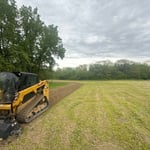
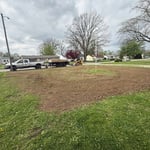
Landscape - Minor Grading or Resloping

Serving Monroe, IN and surrounding areas

Approved

Welcome to Modoc Industries.\nAt Modoc Industries, we believe in doing things the right way—the first time. Built on hard work, experience, and integrity, we provide dependable, high-quality service while maintaining the highest safety standards on every project.\nWe know trust is earned, which is why we treat every client like family. From the first conversation to the final walkthrough, you can expect honesty, professionalism, and a commitment to exceeding expectations. Our goal is not just to complete a job, but to build lasting relationships with the people and communities we serve.\nWith years of hands-on industry experience, we take pride in quality workmanship that stands the test of time. No shortcuts, no excuses—just reliable results and attention to detail from start to finish.\nThank you for considering Modoc Industries. We look forward to earning your trust and showing you the difference experience, dedication, and quality craftsmanship can make.

...
Showing 1-10 of 53
Excavating questions, answered by experts

Trenching and boring are two distinct methods for installing underground utilities. Trenching involves digging a channel using equipment like an excavator, trencher, backhoe, or shovel. While it is a simpler process, it causes significant disruption to the surface, landscaping, and surrounding ecosystems.

Boring, also known as directional boring, is a less invasive alternative that uses a drill to create a tunnel for utility lines without disturbing the surface. This method is more precise and is ideal for installations that need to go underneath buildings, roads, or bodies of water. Although boring is less disruptive, it is generally more expensive than trenching.

Trenches are typically 12 to 24 inches deep and 8 inches wide. However, the required depth depends on the specific project and local ordinances. For example, a French drain may need to be 18 inches deep, while a water pipe might require a depth of 24 inches and a drainage pipe 36 inches. Your city or county may have specific regulations, so it's wise to consult with an excavation professional to determine the correct depth for your project.

Your contractor should handle dust control during the project. It's best to speak with your contractor beforehand to check if they plan to cover your furniture, protect your vents, or use fans to redirect dust. Eliminating drywall dust is a particularly large challenge during construction, so always take this into account during your planning phase.

Drilled wells have a pipe sticking up that’s covered in a plastic or metal casing. On the other hand, a dug well will look like a big hole in the ground and is more similar to what you’d see in a fantasy or Western movie. If you want to be sure, contact the city for documentation on your property’s construction and excavation history. 

Yes, trenchers can go through gravel. Gravel is made up of smaller, softer rocks that certain trenchers are able to cut through. Just be sure to use a rock wheel trencher or chain trencher, both of which are made to cut through rocky landscapes and gravel pathways without dulling the teeth or chain.

The Monroe, IN homeowners’ guide to excavation services

From average costs to expert advice, get all the answers you need to get your job done.