Asbestos is a carcinogen, meaning it increases the risk of cancer. Inhaling asbestos fibers is linked to several respiratory issues, including asbestosis, or scarring on the lungs, lung cancer, and mesothelioma, another type of cancer. There's also a link between asbestos exposure and an increased risk of colon cancer and other cancers of the digestive system.
Usually, the people most at risk for disease related to asbestos exposure are those who spend a lot of time working around the material without protection. Electricians who work with asbestos wire have a higher risk of developing mesothelioma or lung cancer due to their exposure.
Since DIY asbestos removal isn’t the best option to save money, there are other steps that you can take to help cut costs when dealing with this project. After speaking with your asbestos removal expert, discuss if encapsulation is an option. If it is, you can save between 15% to 25% on overall project costs over demolition and disposal. In addition, when speaking with your professional, discuss if there are any tax credits available for your removal project. Finally, check with your homeowner’s insurance to see if any removal costs might be covered. However, be aware that this is usually only applicable if the asbestos is due to a covered incident, like a tree falling into your roof.
In the event of suspected or confirmed asbestos contamination on the body, it is imperative to take immediate measures to reduce health risks. To avoid further exposure, carefully remove contaminated clothing and shower thoroughly to remove any asbestos fibers. Seek prompt medical attention, and inform your healthcare professional about your suspected asbestos exposure. Since asbestos-related health issues can take years to surface, regular medical check-ups are advised for anyone with a history of exposure.
Since the EPA partially banned asbestos in 1989, it is no longer used to manufacture new siding in the United States; production had largely ceased by the early 1980s. Many other countries, such as Canada, Iceland, and Denmark, also have bans on asbestos. However, asbestos siding is still present in many homes built before the late 1980s. The only definitive way to know if your siding contains asbestos is to have it professionally lab-tested.
Asbestos-containing materials are not easily affected by water and do not disintegrate or dissolve when exposed to it. However, porous materials can deteriorate due to water exposure, leading to the release of asbestos fibers into the air. The settling of asbestos fibers can also occur as water makes them heavy, which reduces the risk of airborne exposure, though future disturbance of the materials could cause risk. Wetting asbestos-containing materials does not constitute safe removal, and the proper handling and disposal of asbestos materials should be left to professionals.
The Lawrence, IN homeowners’ guide to percolation testing services
From average costs to expert advice, get all the answers you need to get your job done.
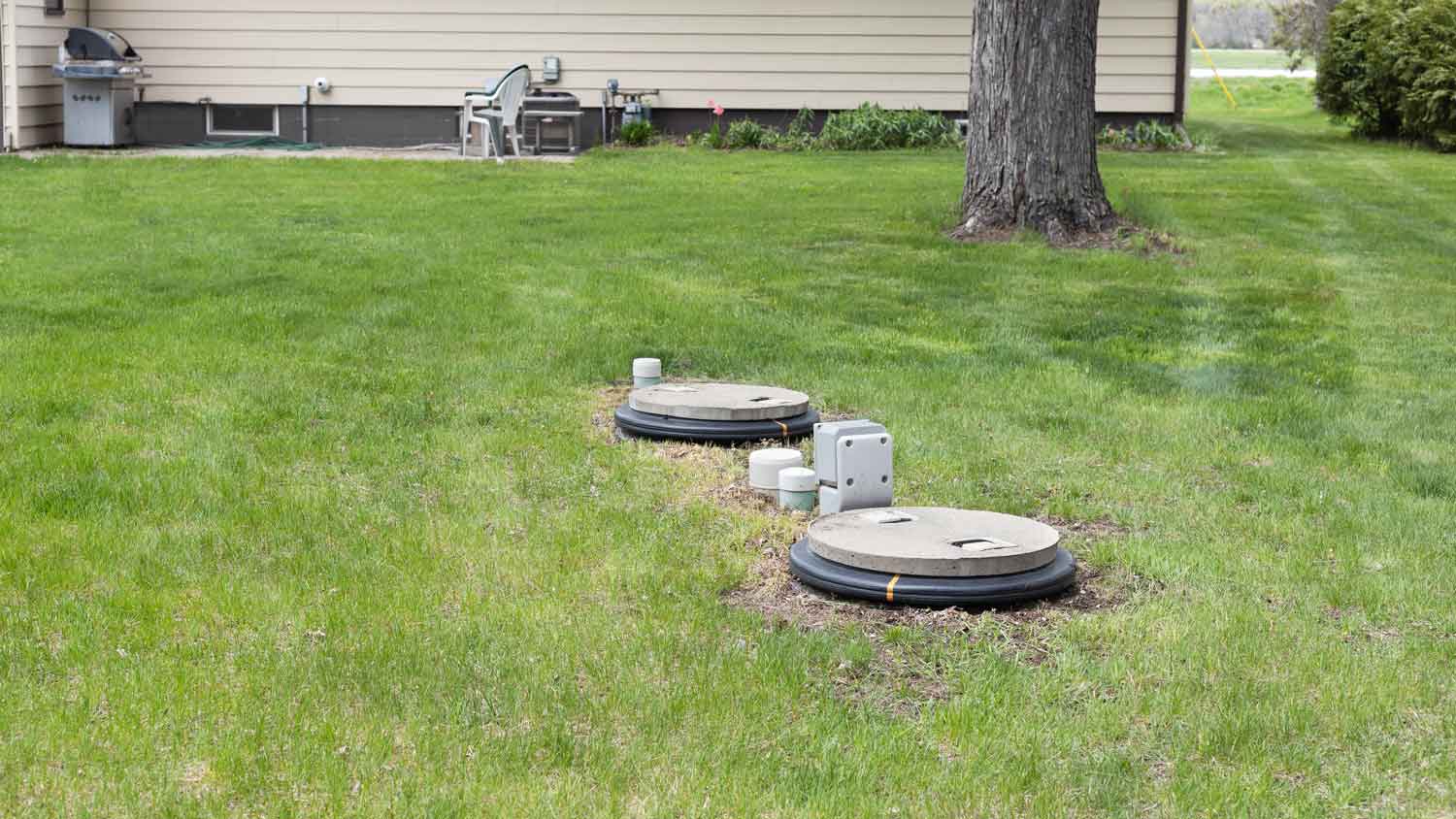
Most building projects and septic installations require soil testing to ensure proper drainage. Learn how much a perc test costs and what affects costs.
A perc test for septic analyzes the absorption rate of the soil where a tank is going to be installed. Learn more about the test, cost, and passing grades.