






Top-rated generator install pros.

Best generator install pros near Laurel, IN

Enter your zip and get matched with up to 5 pros

Need a pro for your generator install project in Laurel, IN?

Select your specific project to find the pro for you.

Top-Rated Generator install pros in Laurel - Updated Nov 2026

Avatar for Tri-State Water, Power & Air
Tri-State Water, Power & Air
4.3(
8
)
Fixed Generator - InstallGenerator - InstallGenerator - Install - For Business

Serving Laurel, IN and surrounding areas

Approved (Corporate)

In business since 1992

Emergency services offered

Warranties offered

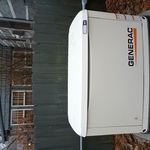
"It was pretty rocky. At first. Several appoints made by Tri-State no one ever showed up.Crew showed up to install the Generator before the site survey and did not have necessary equipment or cooperation of Electric or gas company nor call before you dig had been notified. I called Tri-State to warn them the call before dig had never been preformed. They said they'd take care of it, did not happen until right before installation crew came back the second time. The first time they were here they could not have installed the generator even had they had all the parts because none of the utilities had been marked. Finally after about three months the Generac was installed and working. I had several questions that I could never get answered by calling Tri-State. One of the installation team had to come back a couple of weeks later to replace a damaged part and he answered all my questions. The guys who installed the Generac were great, the problem is your guys operation center and call center as far as I can see do not communicate very well. Anyway the generator has worked fine in several power outages this spring. I am happy right now but I live in dread something goes wrong and I have to call Tri-State for help."
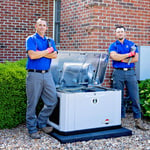
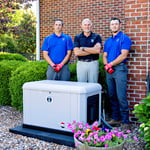
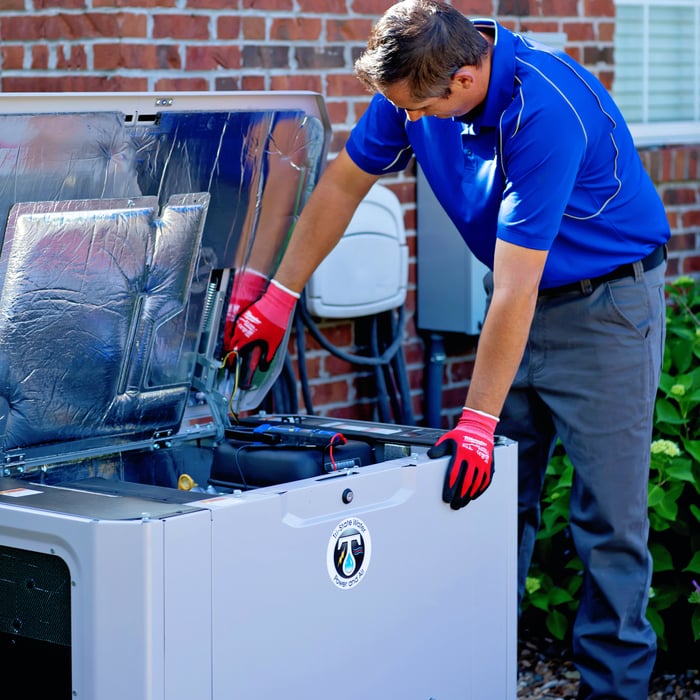
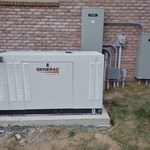
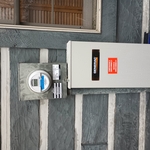
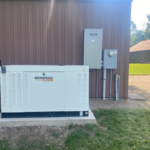
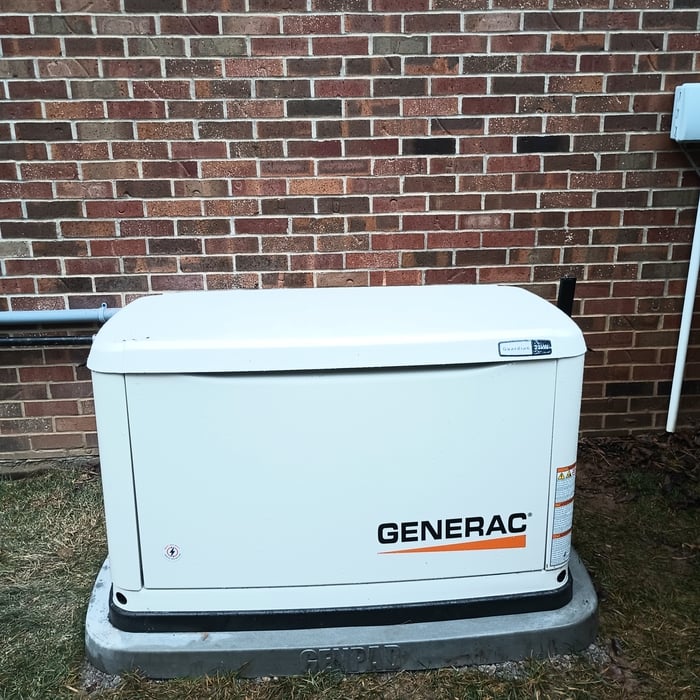
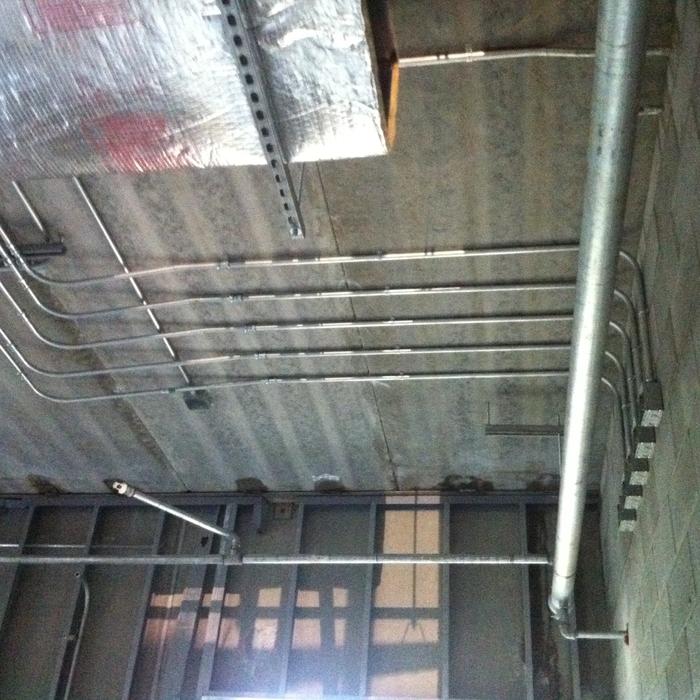
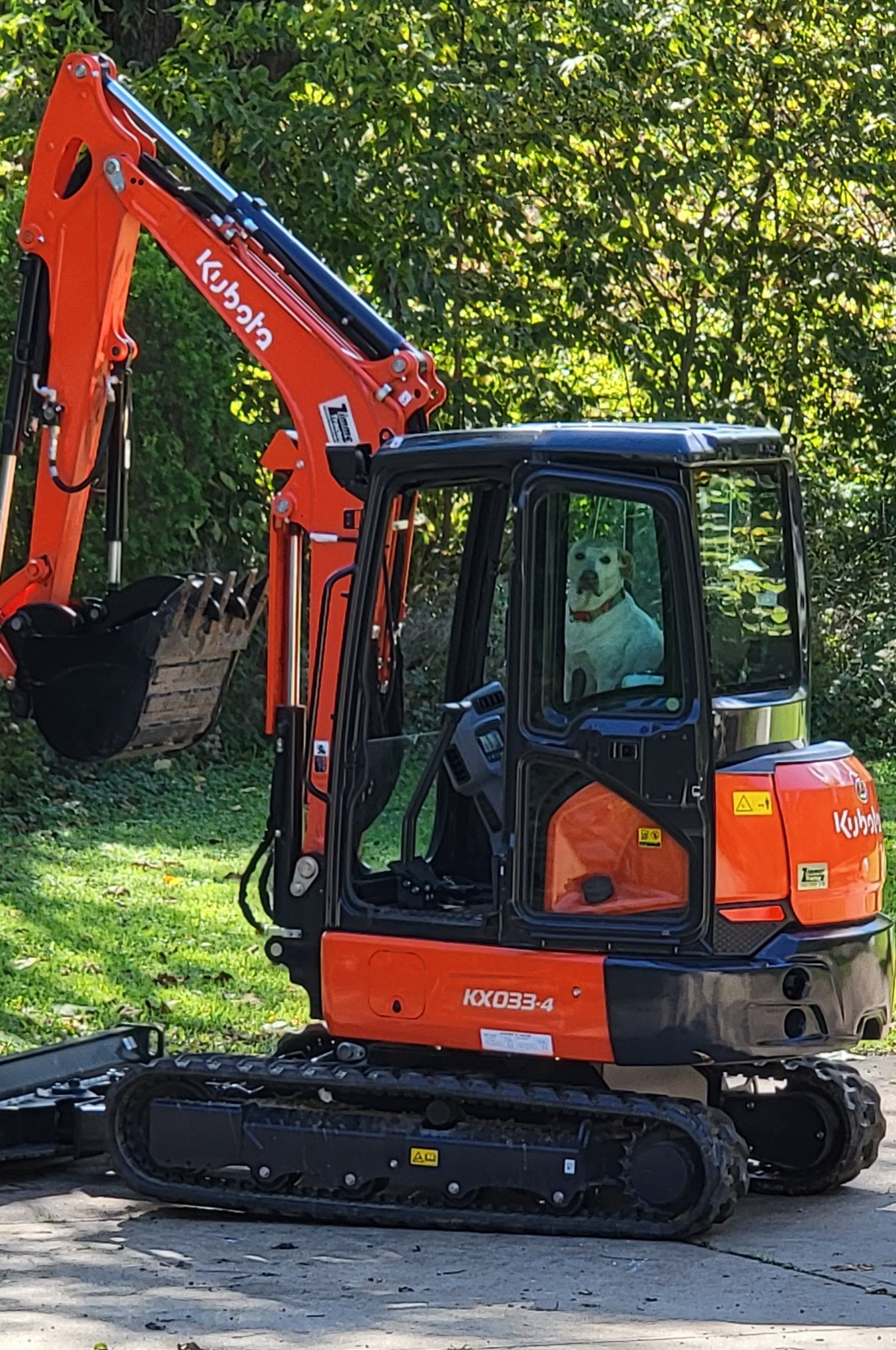
Additional Photos
Additional Photos
Additional Photos
Additional Photos
Additional Photos

+2

65 neighbors recently requested a quote
Recommended by87%of homeowners
Showing 1-10 of 20
Generator Install FAQs, answered by experts

Generators are usually sized by running watts and starting watts. Ideally, you’ll want a generator that can offer both the necessary running watts and starting watts for everything you need to power without going beyond 90% of its capacity. Calculate your home’s electrical load based on the breakers in your home or adding up the appliance and lighting needs of connected rooms.

Generally, you’ll want to keep between 60 and 70 feet between the generator and the transfer switch. There are a few reasons for this, including:

  • The distance reduces the noise coming from the generator into your home.

  • It increases efficiency because you won’t have a voltage drop from this short of a distance.

  • Prevents carbon monoxide poisoning: keep at least 15 feet between your generator and an open window. 

While standby generators provide essential backup power, they can fail when you need them most due to lack of maintenance, fuel supply issues, dead batteries, electrical problems, or improper installation. To avoid costly failures, professional installation and regular maintenance are crucial. Licensed technicians ensure safety, uphold warranty requirements, comply with regulations, and provide expert servicing.

Carbon monoxide emissions aren’t only dangerous to human life, but they also harm our planet. While natural gas generators emit lower levels of CO than other fuel sources, there are still ways to reduce emission levels. For example, shop around for an eco-friendly generator that complies with current emission standards. Also, make sure your generator is serviced regularly to avoid CO buildup. 

No, you should never plug a generator directly into a wall outlet in your house. This practice is extremely dangerous, often illegal, and can cause "back-feeding," where power from the generator flows back into utility lines, creating a life-threatening hazard for utility workers. It can also damage your home's electrical system, including appliances like pumps and HVAC fans. If the main power is restored while the generator is connected, it can destroy the generator and cause an electrical fire. To safely connect a generator, you must use a professionally installed transfer switch or an interlocking kit, which prevents back-feeding by disconnecting your home from the utility grid before the generator provides power.

The Laurel, IN homeowners’ guide to generator installs

From average costs to expert advice, get all the answers you need to get your job done.