


Top-rated concrete resurfacing pros.
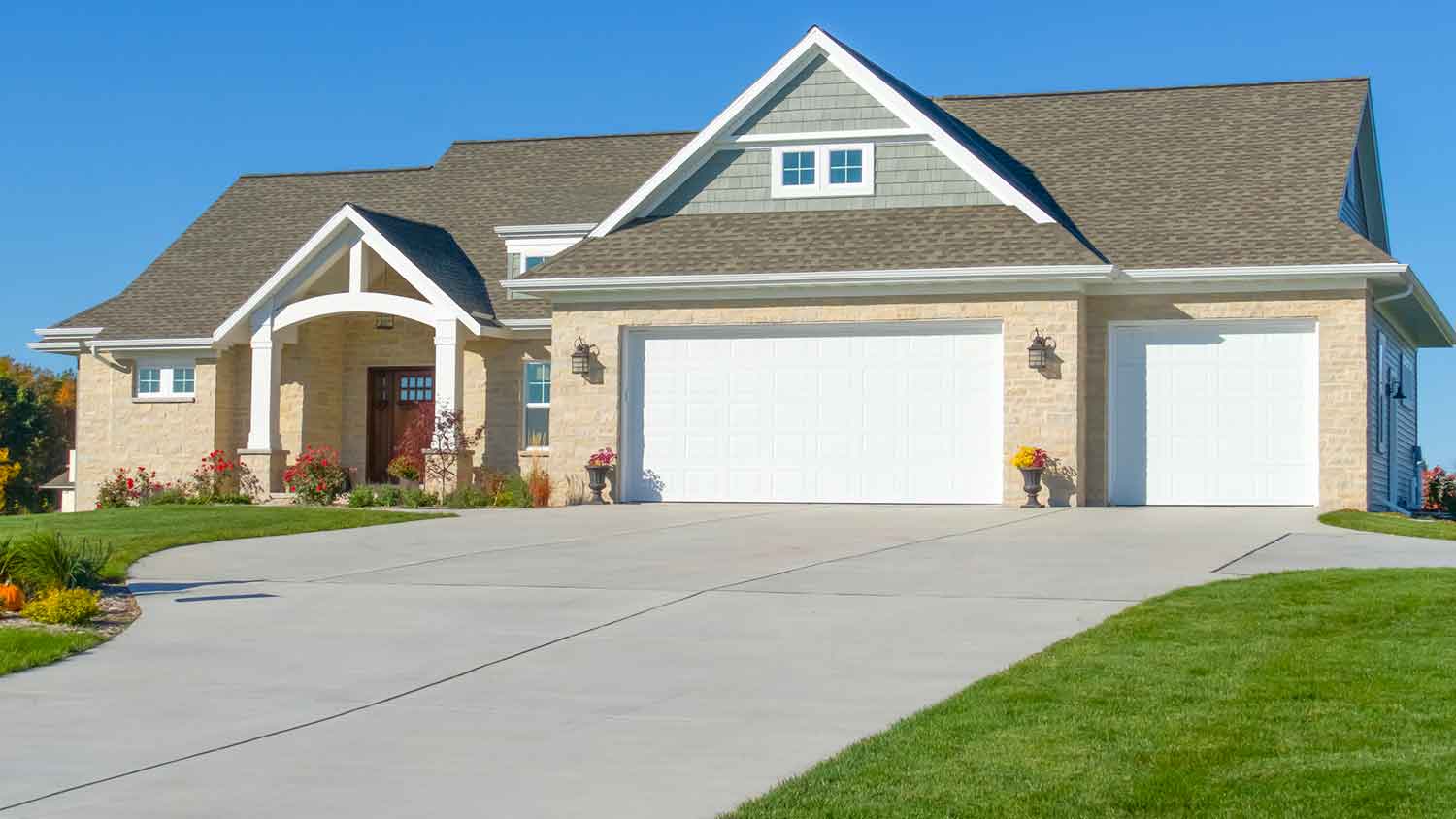
Best concrete resurfacing pros near Laurel, IN
Enter your zip and get matched with up to 5 pros

Need a pro for your concrete resurfacing project in Laurel, IN?

Select your specific project to find the pro for you.

TRUSTED BY LAUREL, IN HOMEOWNERS

  • Average homeowner rating star icon5
    Average homeowner rating
  • Verified reviews icon11
    Verified concrete resurfacing reviews

Top-Rated Concrete resurfacing pros in Laurel - Updated Nov 2026

Innovative Concrete
5.0(
5
)
Concrete Flatwork - Repair & ResurfaceConcrete Flatwork - Repair & Resurface- For Business

Serving Laurel, IN and surrounding areas

In business since 2024

Free estimates

"We called them out for a unique project in our downstairs and they did amazing work! Our floor was cracked and not level. The pictures don’t do the project justice, but we now have a level floor that will be the foundation we need to continue our renovation. They also knocked down a concrete block wall and really opened up the space. If you’re looking for good quality at the good price and the friendliest workers around, hire these guys!"
Response time1 day
Response rate100%
Showing 1-10 of 47
Concrete Resurfacing FAQs, answered by experts

Regular sealing, proper drainage, and periodic inspections prevent premature wear and cracking.

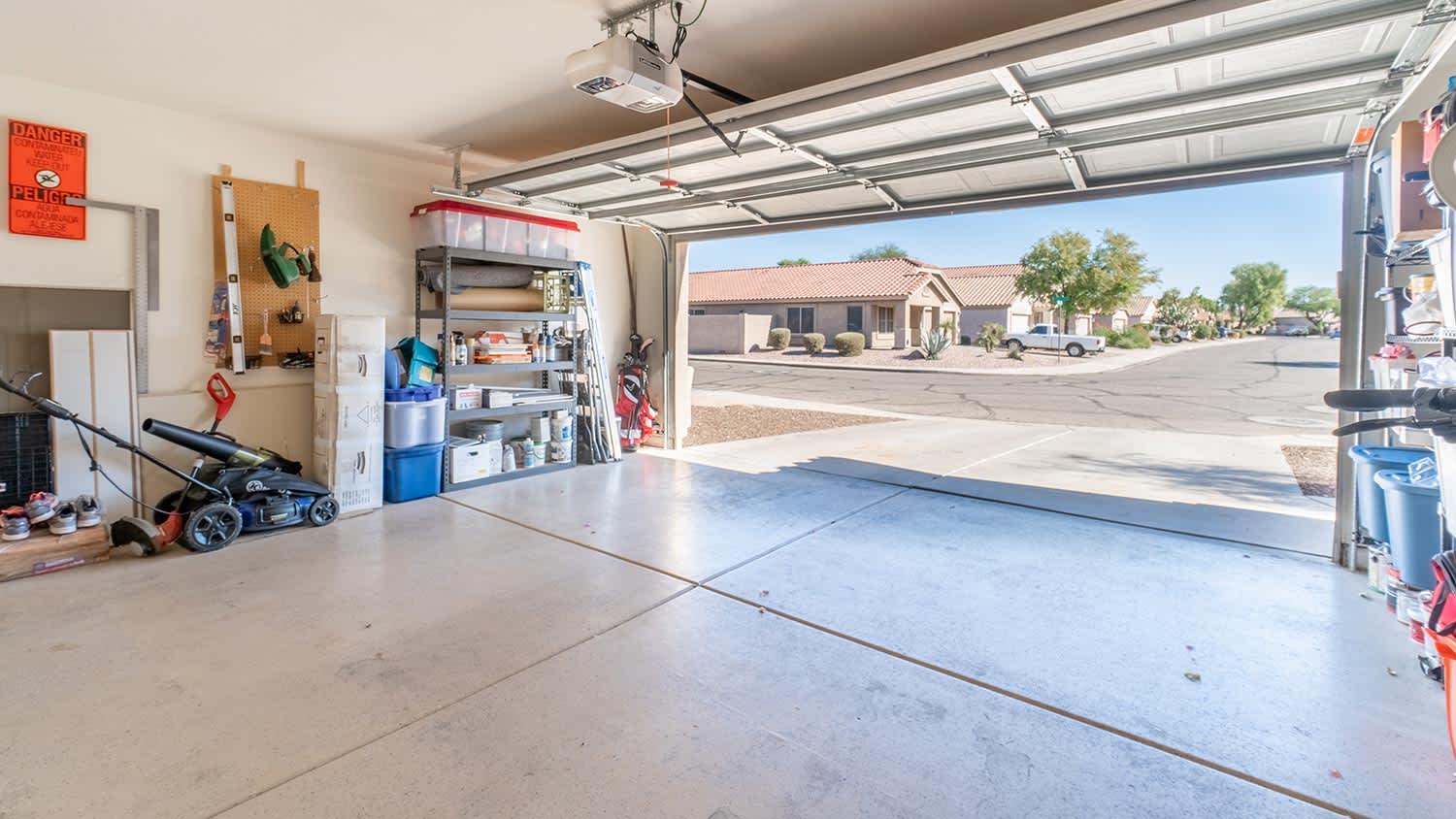
You have different options depending on the scale of repair needed. If you are repairing minor cracks that are between ¼ inch to 1.5 inch wide and less than half an inch deep, a self-leveling polyurethane sealant would be your best choice. Polyurethane sealants dry to the touch within one to two hours. Since they come in a tube applier, you also have the option to complete the repair without emptying out your garage.

Many services include sealing as part of the repair process. Confirm with your provider.

Pervious concrete should be between 4 and 8 inches thick to drain water properly. Surfaces like parking lots and driveways should be at least 6 inches thick to accommodate the weight of vehicles, while patios and walkways may be poured between 4 and 6 inches thick. There’s no standard for pervious concrete thickness, but in most cases, the more weight the surface will need to hold, the thicker it should be.

The method used to repair cracks in your concrete driveway will depend on the extent of the damage, but the most common method for small cracks is to use a driveway resurfacing compound. This solution is either cementitious or made of polyurethane, and it will seal the crack and make your driveway appear undamaged. 

For more severe cracks, you will likely need to hire a professional driveway repair service. They can use mudjacking, epoxy injections, partial driveway replacements, or a combination of these to fix more serious cracks in your concrete driveway and to prevent recurring issues.

The Laurel, IN homeowners’ guide to concrete resurfacing

From average costs to expert advice, get all the answers you need to get your job done.