



Top-rated heating and air conditioning pros.

Get matched with top heating and air conditioning pros in Grabill, IN

Enter your zip and get matched with up to 5 pros

Need a pro for your heating and air conditioning service project in Grabill, IN?

Select your specific project to find the pro for you.
Heating and Air Conditioning questions, answered by experts

While many states do not have specific licensing requirements for HVAC companies, your local city or county might. It's always a good idea to check local requirements online and use a tool like Angi’s contractor license lookup to confirm that the company you’re considering is licensed. Regardless of licensing, you should always ensure the company you hire is fully insured to avoid potential lawsuits if a technician is injured on your property. Additionally, it is recommended to check if the company holds third-party certifications, such as North American Technician Excellence (NATE) certification or R-410A certification, which qualifies them to work with HVAC refrigerants.

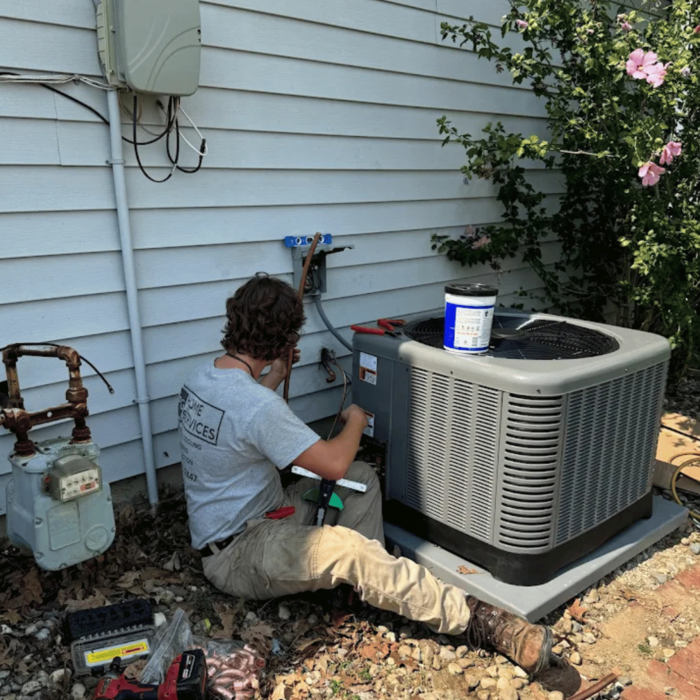
Freon will go in the refrigerant lines near the back of your AC unit. Look for small ports with caps on a thin copper line—the Freon goes into those ports. You are best off hiring a licensed HVAC professional who can complete the job safely and correctly.

A dual evaporator coil is a specific design that allows the AC system to cool different compartments at different levels. It’s usually seen in refrigerators and similar appliances, but not in whole-house air conditioning systems. Talk with your AC technician about the best uses for a dual evaporator coil.

High humidity is one of the most common reasons for air vents to sweat or produce condensation. When the cool, dry air from your HVAC unit meets warm and moist air in your home, it will cause condensation. Insulating your ductwork can help prevent this. If you live in a very humid region, a dehumidifier can also help.

No, it's not safe to keep using your unit when it's frozen. Not only can running a frozen unit lead to damage, but it can also potentially overheat, making it a fire hazard. Therefore, it's always best to turn off the AC unit as soon as you notice any ice.