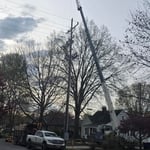
At Advanced Tree Solutions we offer Free Quotes and an ISA Certified Arborist and Certified crane operator. We are a locally owed. At Advanced Tree Solutions we use industry leading equipment and gear to ensure safety and efficiency, with our zero impact approach. From fine pruning to the biggest removals we provide it all.\n\nWe look forward to earning your business!
We take great pride in our experience, expertise, quality, and customer service that we provide to meet the consumer's needs. It is our mission to provide excellent workmanship and complete customer satisfaction, from the start to the completion of a project. In order to understand the needs and expectations of our customers, we take great care to work and communicate with every customer in a professional manner. Our reputation is based on service, safety, and quality, regardless of how large or small the job.
Sammy's Stump Removal is committed to excellence in every aspect of our business. We uphold a standard of integrity bound by fairness, honesty, and personal responsibility. Our distinction is the quality of service we bring to our customers. Accurate knowledge of our trade combined with ability is what makes us true professionals. Above all, we are watchful of our customers interests, and make their concerns the basis of our business.
Warners is a locally owned and operated company that values honesty and integrity in all aspects of our business. Our services are customized to your individual needs, paying close attention to the details of each project that we are involved with. Please feel free to contact us today!
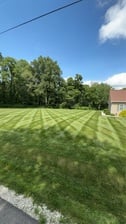
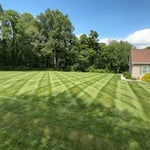
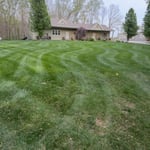
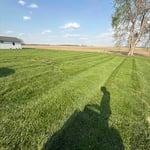
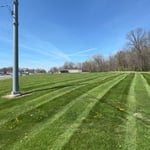
My name is Hayden Slater. I am owner and operator of Slater Lawn and Landscape. We service the Wabash Valley with the highest quality lawn care that there is to offer. We specialize in mowing which includes cutting your lawn, trimming, edging and blowing off. We also have the resources to do brush hogging, mulch, rock and some landscaping.
I recently moved from the state of Florida to Indiana in 2024, I've been doing masonry work for a little over 6 years now and the previous work I did before that I was a carpenter for 8 years a roofer for 6 years you can say I am a jack of all trades I love the work that I do and I'm hoping I will have the opportunity to work with some you lovely people of Indiana. I live in the Lafayette area and will to serve its surrounding cities.
We take great pride in our experience, expertise, quality, and customer service that we provide to meet the consumer's needs. It is our mission to provide excellent workmanship and complete customer satisfaction, from the start to the completion of a project. In order to understand the needs and expectations of our customers, we take great care to work and communicate with every customer in a professional manner. Our reputation is based on service, safety, and quality, regardless of how large or small the job.
I am a Union tradesman \nPlasterer \nPainter\nCaulker\nWater proofer\nRoofer\nI can do so much more over the years ive become very talented in many construction environments. I habe osha 30 and various boom lifts, and scaffolding equipment.
Welcome to Modoc Industries.\nAt Modoc Industries, we believe in doing things the right way—the first time. Built on hard work, experience, and integrity, we provide dependable, high-quality service while maintaining the highest safety standards on every project.\nWe know trust is earned, which is why we treat every client like family. From the first conversation to the final walkthrough, you can expect honesty, professionalism, and a commitment to exceeding expectations. Our goal is not just to complete a job, but to build lasting relationships with the people and communities we serve.\nWith years of hands-on industry experience, we take pride in quality workmanship that stands the test of time. No shortcuts, no excuses—just reliable results and attention to detail from start to finish.\nThank you for considering Modoc Industries. We look forward to earning your trust and showing you the difference experience, dedication, and quality craftsmanship can make.
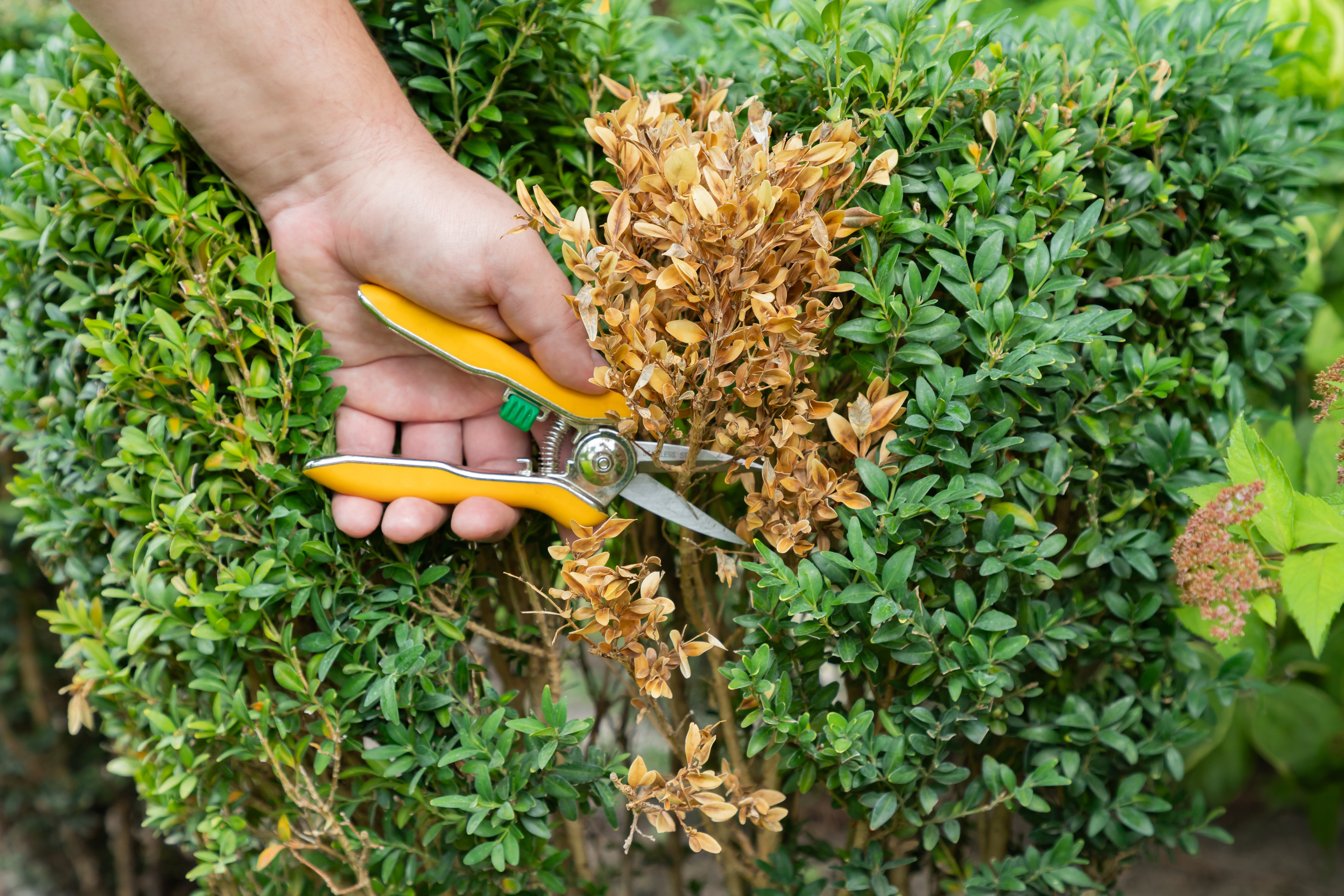
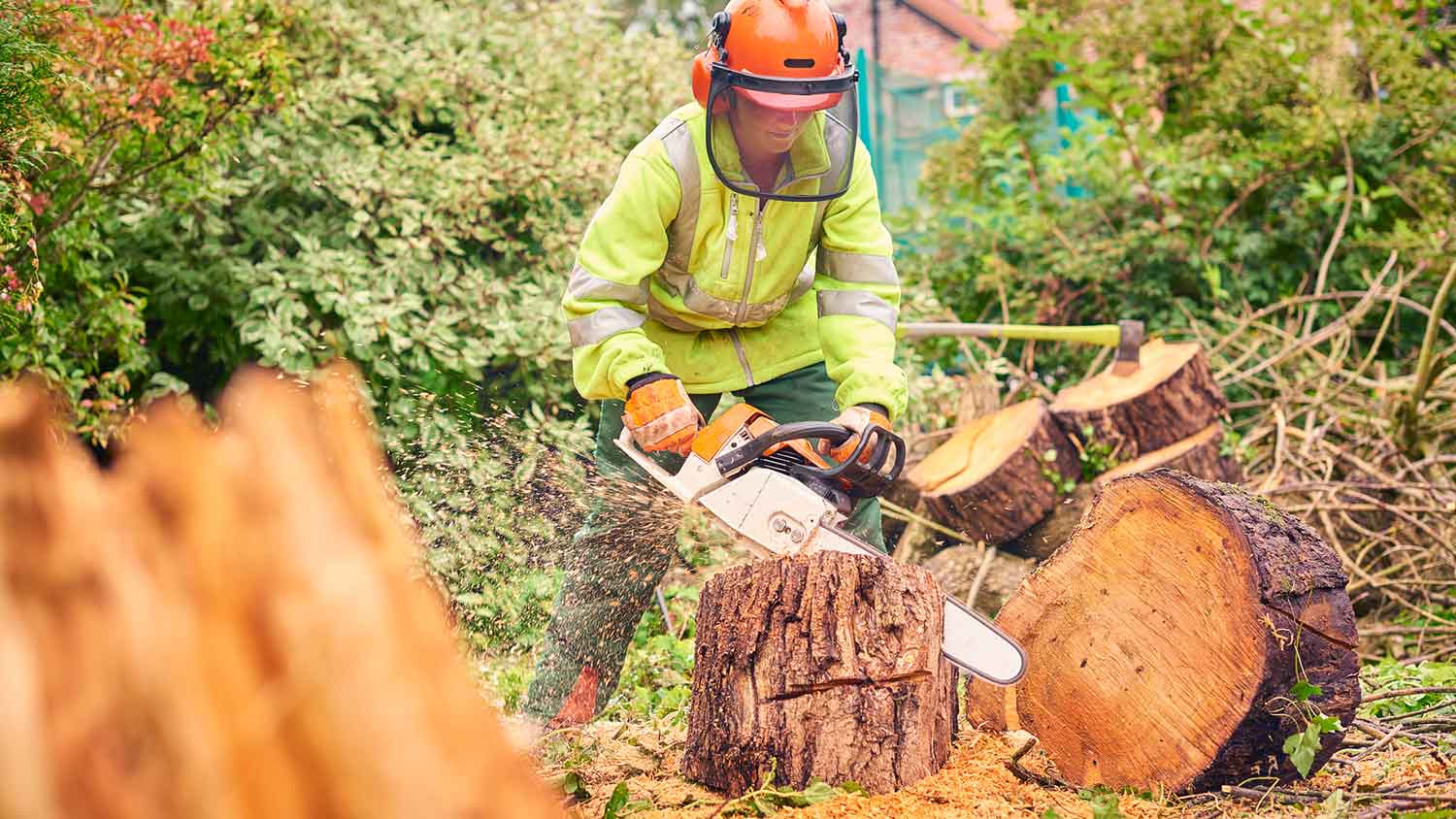
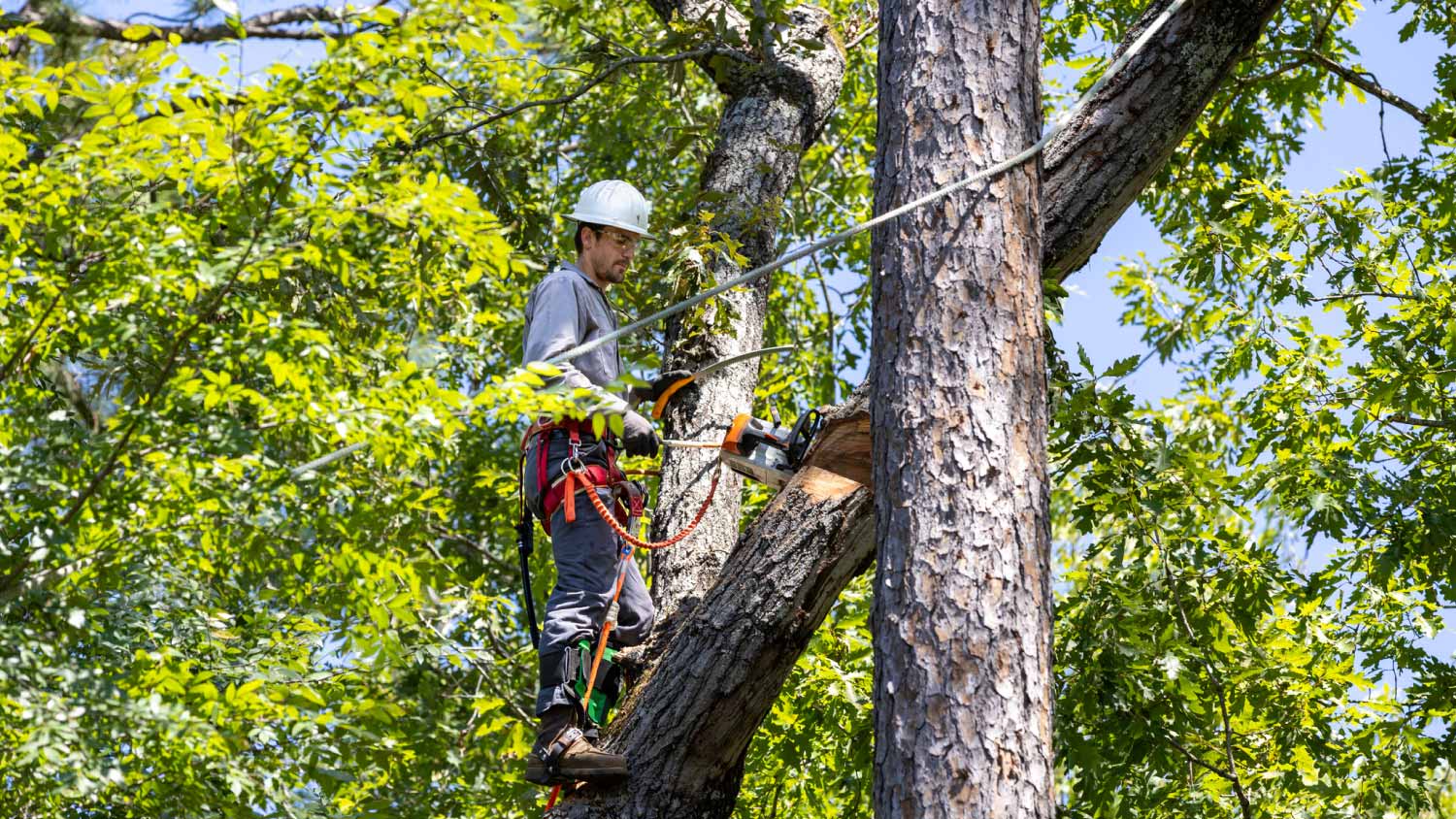
Professionals use assessments, strategic cuts, specialized equipment, and safety measures to ensure healthy growth or the safe removal of trees or shrubs.
It’s not always easy to tell when a tree is dying, although signs like dropping branches and brittle bark can sometimes offer clues. It can also be difficult to know whether a tree is dead or dormant, especially if it’s a deciduous tree. You’ll want to wait until a growth season to get a good idea of a tree’s health. When in doubt, contact an arborist for a consultation.
If you aren’t sure what you’re doing, be very careful when cutting mature tree roots (roots larger than 2 inches). Root cutting and pruning can affect both a tree’s stability and its ability to nourish itself. Issues during root cutting can result in damage or injury.
It’s recommended you call in a pro to help, unless it’s a very small tree and you aren’t worried about the prospect of losing the tree.
You need to remove all branches affected by Dutch elm disease. If your tree has several affected branches, you will probably need to remove the entire tree. First, consult a pro to be sure that you’ve correctly identified it as an elm tree.Make sure the tree is properly disposed of with a plastic covering or through debarking, chipping, or burning.
Generally, you should prune around 20% of an apple tree’s growth—and never more than 30%. This means that if you have a severely overgrown tree, it can take a few seasons to prune it back enough to produce the healthiest fruit.
If you’re dealing with a newly planted or juvenile tree, hold off on pruning beyond the initial shaping. Wait at least a couple of seasons into fruit production since pruning can increase the number of water sprouts and unproductive foliage.
The Dana, IN homeowners’ guide to arboricultural services
From average costs to expert advice, get all the answers you need to get your job done.
How much does an arborist cost? This guide explains the cost of different services, ongoing expenses, and other factors to consider when hiring an arborist.
Arborists are specialized tree care experts. This guide will help you hire an arborist with all the qualifications to give your trees the best care possible.