



Get matched with top arborists in Georgetown, IL

Georgetown homeowners rate arborists in our network

4.5

(45 reviews)

Top-rated arborists.

Need a pro for your arboricultural service project in Georgetown, IL?

Select your specific project to find the pro for you.

Find Arborists in Georgetown

Avatar for Brother in Law Tree Service
Brother in Law Tree Service
5.0(
20
)

Serving Georgetown, IL and surrounding areas

In business since 1990

Free estimates

Emergency services offered

"Work went well . Job was completed in one day. Company went out of the way to be cooperative, and I felt good about the job completed. Tried to get them to return for more work on house , but could nto get them to follow though for more estimates and work."
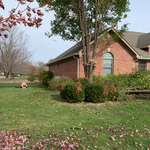
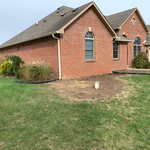
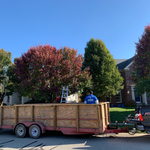
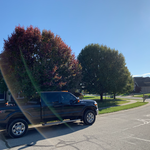
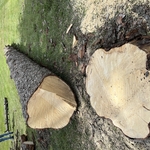
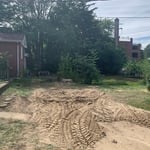
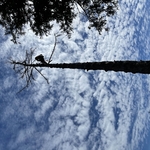
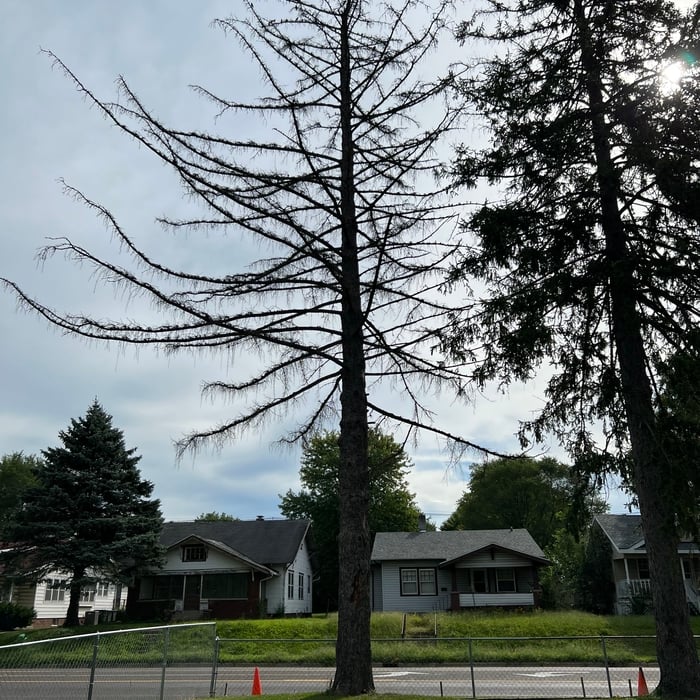
Additional Photos
Additional Photos
Additional Photos
Additional Photos
Additional Photos

+30

Recommended by100%of homeowners
Avatar for Block Arborcare
Block Arborcare
5.0(
3
)

Serving Georgetown, IL and surrounding areas

In business since 2024

Free estimates

"Connor went above and beyond. I had a very large tree limb fall and and go through a fence. He came out to give a quote and mentioned he could repair the fence as well. Work was completed in a timely manner and price was very fair. Will definitely recommend to anyone I know looking for tree work!"
Recommended by100%of homeowners
Showing 1-10 of 35
Arborists questions, answered by experts

A tree growing close to a house can pose several risks, but removal isn't always the only or best solution. Potential problems include roots growing into the foundation and causing structural cracks, branches damaging the roof or promoting moss growth, and debris clogging gutters, which can lead to water damage. Trees can also provide access for pests and encourage mold. However, a small, healthy tree may not be a problem, and for larger, established trees, strategic trimming can be a cheaper and more beneficial alternative to removal. It is generally recommended to take action for trees within 10 to 20 feet of your home, especially if they are unhealthy or encroaching. Your best bet is to consult a professional arborist who can assess the specific situation and provide expert advice.

Licensing requirements for arborists, also known as tree surgeons, vary by state and municipality. Many areas require a license, which often involves specialized education and experience. Even if not mandated, it's wise to hire a licensed professional as they tend to have more experience. Beyond licensing, look for certifications from organizations like the International Society of Arboriculture (ISA) or the Tree Care Industry Association (TCIA), as this indicates a higher level of expertise. Certified arborists must typically pass a comprehensive exam. Always confirm that the arborist has a business license and is fully insured to protect yourself from liability. Seeking positive recommendations from local homeowners is also a good step in finding a qualified professional.

Finding a reliable arborist starts with researching specialists in your area and checking their licensing and certifications. Use online resources like the Better Business Bureau (BBB) to conduct research on each company. Next, contact the arborist and ask the following questions to see whether they are the right fit for your project:

  • Do you handle or specialize in dealing with the issue I’m having?

  • Are you fully insured?

  • Do you have customer references I can call?

  • Do you have any third-party certifications?

  • What equipment and strategies do you plan to use?

Opt for a barefoot tree. Pros harvest barefoot trees when they’re dormant (leafless). They shake the dirt from the root ball and pack it in moist material. 

These trees can cost half as much as the trees at your local nursery, and you can buy them online—so there’s a much wider selection. Just make sure you keep your barefoot tree cool until you’re ready to plant it.

Deciduous shade trees (the type of trees whose leaves fall off in autumn) need to be pruned in late winter—between February and March. That’s because it’s easier to find and remove sick or dead branches when no leaves are present. And wounds close and heal faster in colder temperatures so pruning them at this time also makes them less prone to infection.

The Georgetown, IL homeowners’ guide to arboricultural services

From average costs to expert advice, get all the answers you need to get your job done.