







Top-rated deck maintenance specialists.

Get matched with top deck maintenance specialists in Chandler, IN

Enter your zip and get matched with up to 5 pros

Need a pro for your deck maintenance project in Chandler, IN?

Select your specific project to find the pro for you.

TRUSTED BY CHANDLER, IN HOMEOWNERS

  • Average homeowner rating star icon4.7
    Average homeowner rating
  • Verified reviews icon22
    Verified deck maintenance services reviews

Find Deck maintenance specialists in Chandler

Ziemers Paint Stain and Seal
4.9(
15
)
Deck, Fence, Patio or Porch - Clean and SealDeck, Fence, Patio or Porch - Clean and Seal - For Business

Serving Chandler, IN and surrounding areas

In business since 2019

Free estimates

"Mr. Zeimer was very professional and polite , he did a great job on our front deck and back patio. The job was done in a timely manner and exceeded our expectations! We would recommend him and his company to everyone. Very glad we chose to go with his company!"
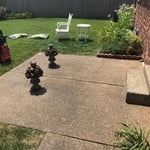
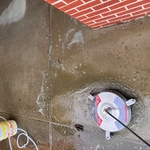
Dirty patio and moldy statues
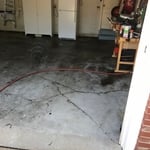
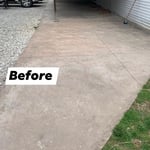
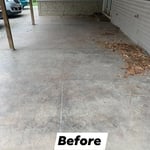
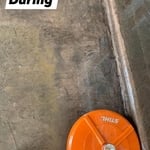
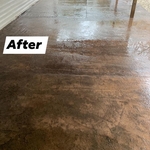
Dirty garage before
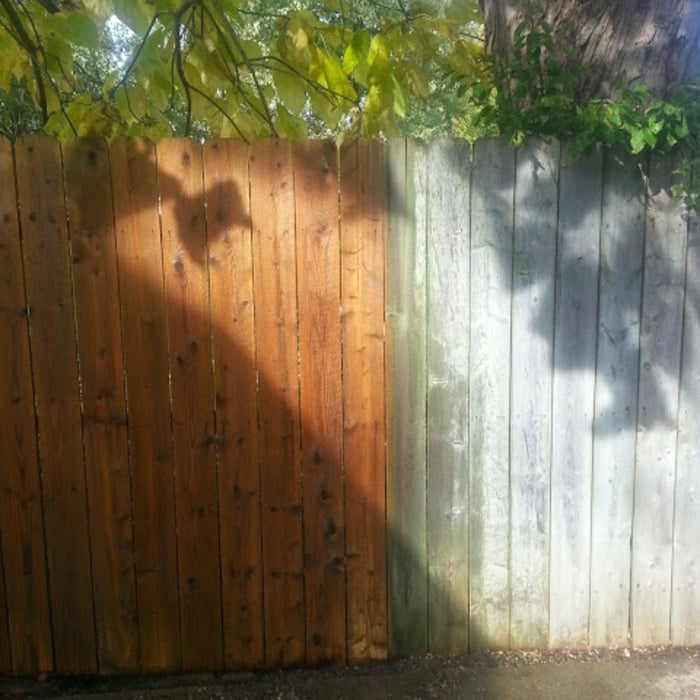
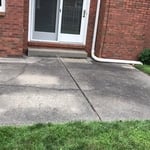
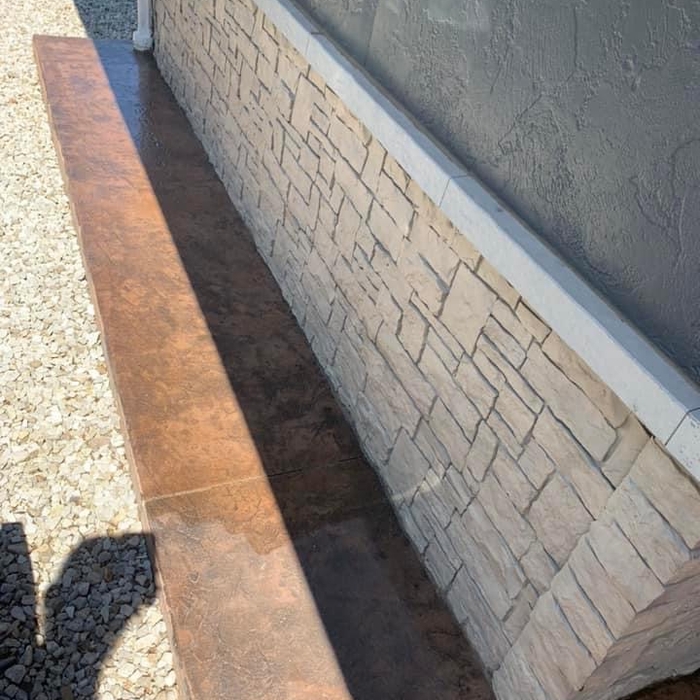
Dirty patio
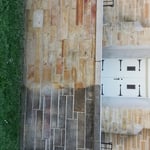
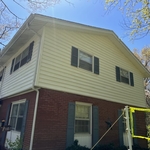
Harfmul mold on siding
Dirty bricks

+72

Response time10 hrs
Response rate94%
Recommended by100%of homeowners

Showing 1-10 of 45
Deck Maintenance questions, answered by experts

It’s important to make sure the wood on a new deck is properly seasoned. Seasoning a deck is simple: Once you build it (or have a pro do so), just leave it alone so it can acclimate to the environment. If you don’t give the deck proper seasoning time before staining, the stain can lock in any lingering moisture and cause mold, rot, and other moisture issues down the road. Give the wood at least four to eight weeks to season before you stain.

When installing deck boards, screws are generally a better option than nails. Screws offer superior holding strength over time, keeping the boards securely in place. In contrast, nails are more likely to pop out, which can create a tripping hazard. While you can use either, we recommend using 3-inch galvanized deck screws. To minimize the risk of cracking the wood, it's a good practice to drill small pilot holes before driving the screws into the deck joists.

A deck that isn’t attached to a house is called a floating or freestanding deck. These standalone decks are built near ground level, so they usually don’t need deck stairs. Some don’t even require permits. Generally speaking, building a floating deck is faster and more DIY-friendly than constructing one that’s connected to your home.

Floating decks are a cost-effective and versatile option, but they come with some compromises. Since they sit on smaller footings instead of being deeply anchored, they’re more likely to shift over time, especially in areas with heavy rainfall or freeze-thaw conditions. Their low-to-the-ground design makes them more susceptible to moisture buildup and potential water damage.

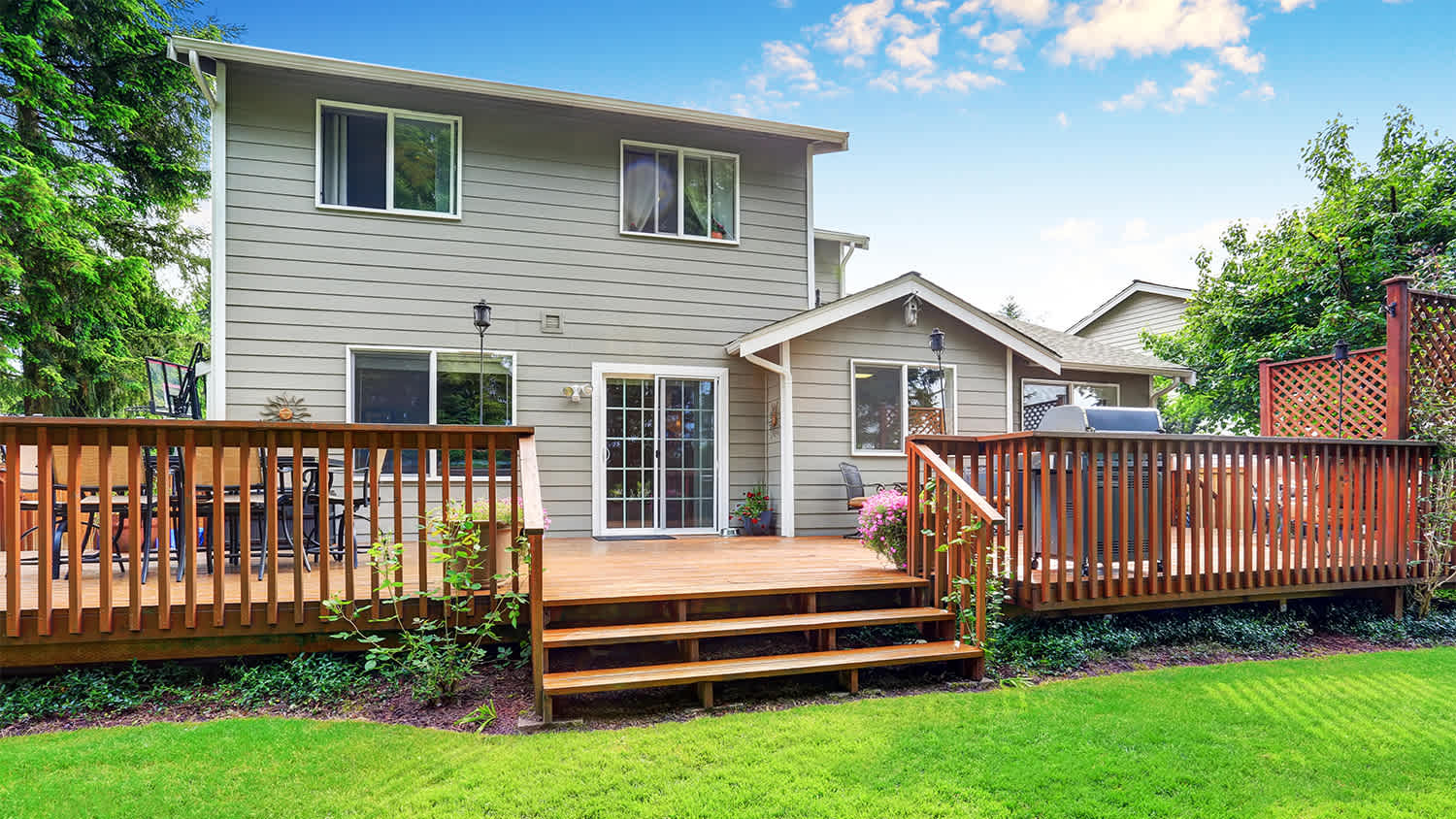
Most building codes require that spindles or balusters on deck and stair railings be spaced no more than four inches apart. This safety standard, often called the '4-inch sphere rule,' is designed to prevent small children or pets from slipping through the railing. A good way to visualize this is that a 4-inch sphere should not be able to pass between two spindles. For the same safety reason, the space between the bottom rail and the deck floor should also be no more than four inches. As a general guideline, professionals often install three balusters per foot of railing. However, since specific requirements can vary by location, it is crucial to check your local building codes to ensure compliance before starting your project.
The Chandler, IN homeowners’ guide to deck maintenance services

From average costs to expert advice, get all the answers you need to get your job done.