


Top-rated roofers.

Best roofers near Williamsville, IL

Enter your zip and get matched with up to 5 pros

Need a pro for your roofing project in Williamsville, IL?

Select your specific project to find the pro for you.

TRUSTED BY WILLIAMSVILLE, IL HOMEOWNERS

  • Average homeowner rating star icon4.3
    Average homeowner rating
  • Verified reviews icon137
    Verified roofing services reviews

Top-Rated Roofers in Williamsville - Updated Nov 2026

Avatar for Erie Home
Erie Home
4.4(
73
)
Asphalt Shingle Roofing - Install or Replace

Serving Williamsville, IL and surrounding areas

Approved (Corporate)

In business since 1976

Free estimates

Credit card accepted

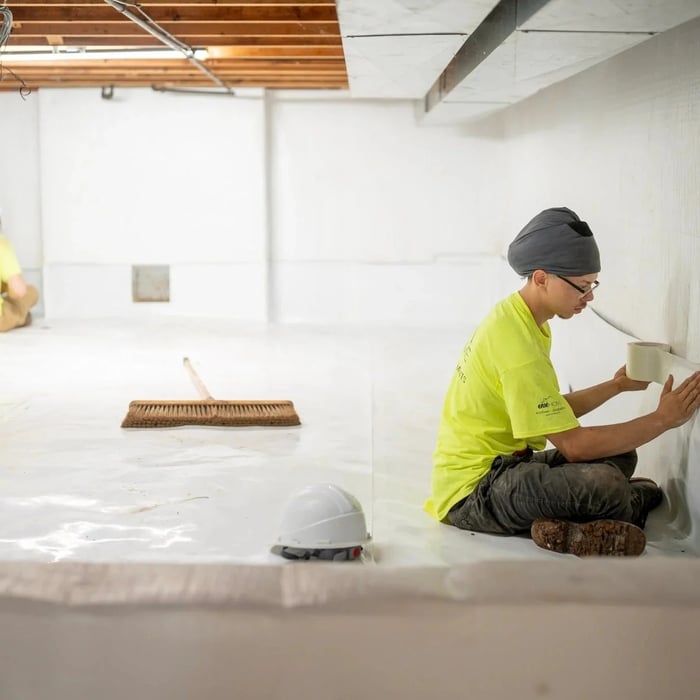
Erie Home Basement Solutions is a division of Erie Home?a national leader in home improvement since 1976. We have long been known for offering industry-leading solutions to our customers? most pressing needs, and our basement waterproofing, foundation repair, and crawl space services are no exception. When it comes to protecting your home against structural problems, why put the project in anything less than the most capable of hands? At Erie Home Basement Solutions, we provide the effective repair services and personalized service you need to have complete peace of mind.

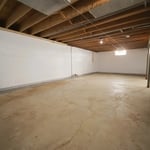
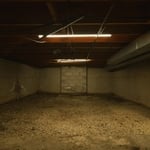
Basement Before and After
Basement projects

+28

9 neighbors recently requested a quote
Recommended by92%of homeowners
Avatar for ORION JOHNSON ROOFING LLC
ORION JOHNSON ROOFING LLC
5.0(
1
)
Asphalt Shingle Roofing - Install or ReplaceAsphalt Shingle Roofing - Repair

Serving Williamsville, IL and surrounding areas

Approved

In business since 2025

Free estimates

Credit card accepted

ORION JOHNSON ROOFING LLC is dedicated to providing our customers with the best quality and \ncraftsmanship. We are here to build relationships with our customers and communities and to provide \nour employees with a great place to work. We look forward to working with you!

project photos
4 neighbors recently requested a quote
...
Showing 1-10 of 71
Roofing FAQs, answered by experts

A roof pitch that’s too shallow won’t shed runoff as quickly, so you have an increased risk of water intrusion through the seams between your roofing materials. In colder climates, snow and ice will accumulate more easily on your roof, which can add enough weight to cause roof collapse and structural damage to your home.

The roof overhang, also known as the eaves, does count as part of the roof’s square footage because it must be covered with the roofing material. The overhang is one of the reasons why you can’t base your roof's square footage on the square footage of the house. The roof square footage must also account for the pitch of the roof as well as the eaves.

In some cases, yes, you can put a second roof layer over architectural shingles, but it depends on your home’s structural stability and the local building codes where you live. Architectural shingles are thicker and heavier than standard asphalt shingles, so you may need structural reinforcement or a structural engineer’s inspection before proceeding. Additionally, some building departments don’t allow for two roof layers, regardless of the roof type. You should ask a professional if ripping the old roof off before installing the new one is the best option for you.

Metal roofs have a bad reputation for being loud, even if that's not necessarily true—it's usually only thin tin or sheet metal roofs that are loud during storms. Stone coating adds a layer to the metal that severely cuts down on any noise from rain. In many ways, stone-coated steel roofs are quieter than your average, run-of-the-mill asphalt shingle roof.

There should be small gaps between your roof and the walls of your home, and other buildings. These small gaps let building materials shift, expand, and contract with weather and other outside forces, and they prevent moisture from wicking down walls from roofing and gutter systems. Without these strategic gaps, your home’s exterior and its finishes can sustain water damage, decay, peel, delaminate, and crack. However, there is a fine line between a smart gap and a problematic gap—all  gaps should be small, intentional, and covered or filled in with foam insulation to prevent pests from using them as access points.

The Williamsville, IL homeowners’ guide to roofing services

From average costs to expert advice, get all the answers you need to get your job done.