



Top-rated aquarium service pros.

Get matched with top aquarium service pros in Sumner, IL

Enter your zip and get matched with up to 5 pros

Need a pro for your aquarium service project in Sumner, IL?

Select your specific project to find the pro for you.

Find Aquarium service pros in Sumner

Avatar for Stanley's Home Improvement
Stanley's Home Improvement
3.3(
12
)
Water Feature - Install a Pond

Serving Sumner, IL and surrounding areas

Free estimates

Emergency services offered

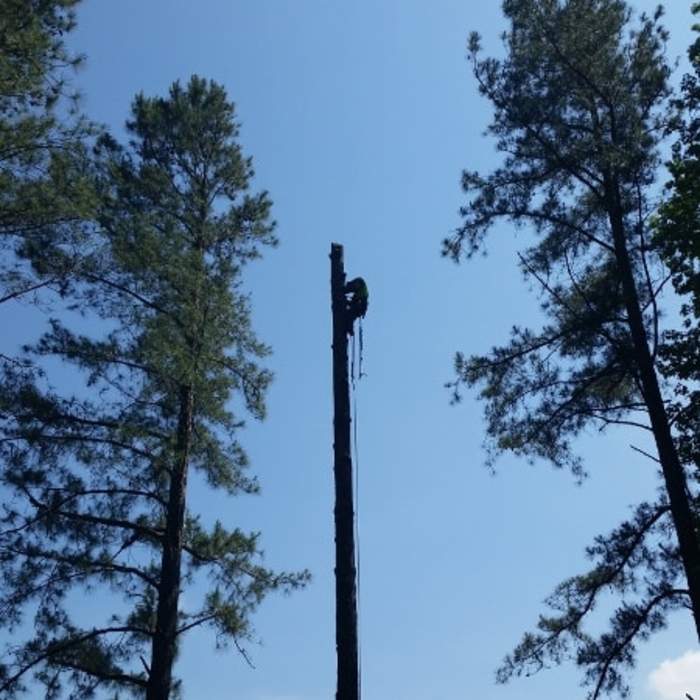
"It was apparent they were very skilled. They quickly dropped the huge limbs without a scratch on the house, fence or sheds surrounding the tree. They arrived on time and cleaned the area to my satisfaction before leaving. And they were competetively priced! I can't say enough good things about this company."
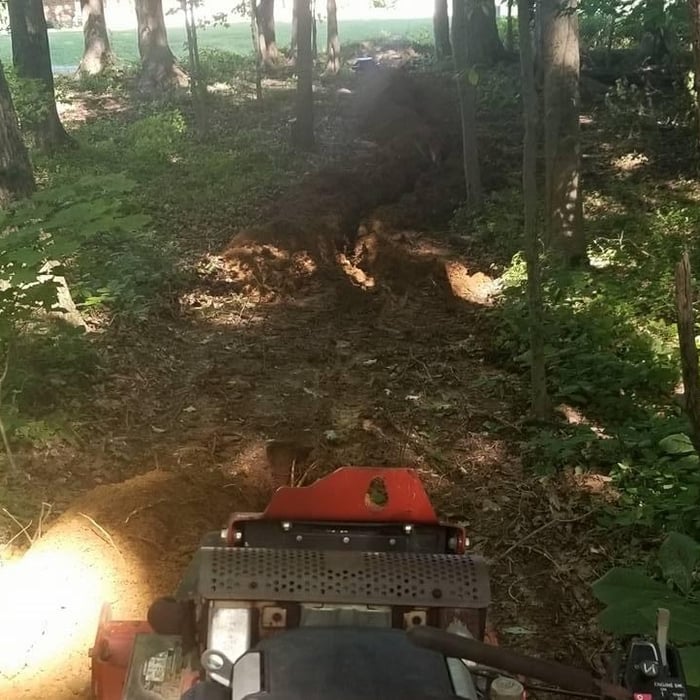
Additional Photos
Additional Photos
Additional Photos
Additional Photos
Additional Photos

+8

Recommended by77%of homeowners
Aquarium Services questions, answered by experts

A septic tank always has some amount of liquid in it—which should usually be 8 to 12 inches from the top of the tank. If the liquid level is higher than that or is overflowing the drainage pipe that leads out to the leach field, the tank may be too full and in need of pumping.

A septic system's lifespan typically ranges from 15 to 40 years, with a common average of 20 to 30 years. The longevity heavily depends on the tank's material, maintenance diligence, and usage habits. With proper care, lifespans can reach the upper end of this range.

Lifespan by Tank Material:

  • Concrete: 20 to 40 years

  • Plastic or Fiberglass: 30 to 40 years

  • Steel: 15 to 20 years

To maximize your system's lifespan, follow these maintenance best practices:

  • Regular Pumping and Inspections: Have the tank pumped every three to five years and schedule professional inspections regularly.

  • Mindful Usage: Only flush human waste and toilet paper. Avoid putting items like cat litter, paper towels, cigarette butts, fats, grease, oils, or coffee grounds down your drains.

  • Avoid Chemicals: Do not pour harsh chemicals into the system.

  • Water Conservation: Reduce the amount of wastewater your system has to process.

  • Protect the Drain Field: Avoid driving or building heavy structures over the drain field area.

If you’re not using a septic system, problems with your home’s plumbing won’t cause this—it’s a city problem. A large blockage in the municipal sewage lines may cause those lines to back up into your home. This is extremely unpleasant and can be a serious health risk due to bacteria and other contaminants. If this occurs, call a pro (or your city) immediately.

Over time, your septic tank can accumulate a buildup of sludge at the bottom of the tank. If left unpumped and uncleaned, the sludge will back up into your pipes and home, causing failure and extensive (and smelly) damage. Repairs to your septic system can be costly, which is why regular maintenance is required. It takes about 30 minutes to pump a septic tank that’s 1,250 gallons or less or 1 hour for larger varieties.

You should pump your septic tank once every two to four years for a family of four, depending on your septic tank size. You should pump a 1,000-gallon septic tank every two years, while a 1,500-gallon tank should be pumped every four years. Water usage also affects how often you should pump your septic tank. If you notice slow drains, foul smells, or gurgling sounds from your drains, you should pump your septic tank as soon as possible.

The Sumner, IL homeowners’ guide to aquarium services

From average costs to expert advice, get all the answers you need to get your job done.