






J and B trees and more
Water Feature - Install a Pond
Serving Flora, IL and surrounding areas

*The Angi rating for Aquarium Service companies in Flora, IL is a rating based on verified reviews from our community of homeowners who have used these pros to meet their Aquarium Service needs.
*The HomeAdvisor rating for Aquarium Service companies in Flora, IL is a rating based on verified reviews from our community of homeowners who have used these pros to meet their Aquarium Service needs.
Last update on October 21, 2026

Serving Flora, IL and surrounding areas
Free estimates
Emergency services offered
"Very well . The crew was fast, competent and polite."

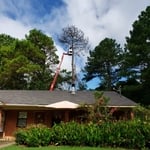


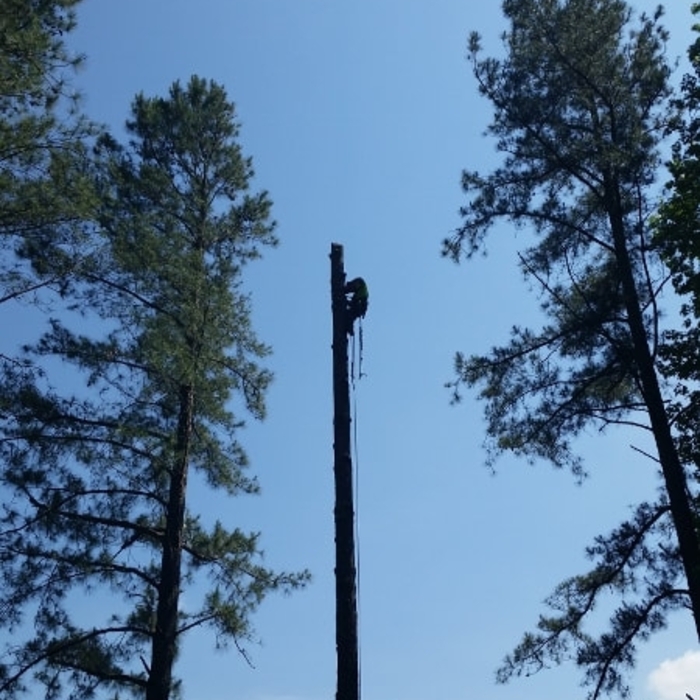
+8
Serving Flora, IL and surrounding areas
In business since 1980
Free estimates
Offers commercial services
"I hired him for several projects over the years and there has been no reason to call anyone else."
Serving Flora, IL and surrounding areas
In business since 2024
Free estimates
Offers commercial services
8-10 years experience \nhas intergrity, honet with people, trustworthy, does the most premier work he can \ncleared 120 acres before \n \naccept, cash check and quickbooks, as well as venmo \n \nmon-sat 7am5pm, call anytime for estimates
Serving Flora, IL and surrounding areas
In business since 2024
Free estimates
Offers commercial services
We pride our company on reliability, great communication, \nintegrity, and quality work. We are experts in our trade and will do our best \nto keep you as educated as we can on your particular task or project. We look \nforward to earning your business! \n
From average costs to expert advice, get all the answers you need to get your job done.

Discover mosquito control service cost estimates, including average prices, key cost factors, and tips to save on professional mosquito treatments for your home.

If you’re moving, you need to consider distance, weight, packing, and more. Our guide provides the average cost to move a 3-bedroom house long distance.

Old or worn electrical wires can interrupt the electrical supply to your home. Find out the cost to replace the wire from the meter to the breaker box.
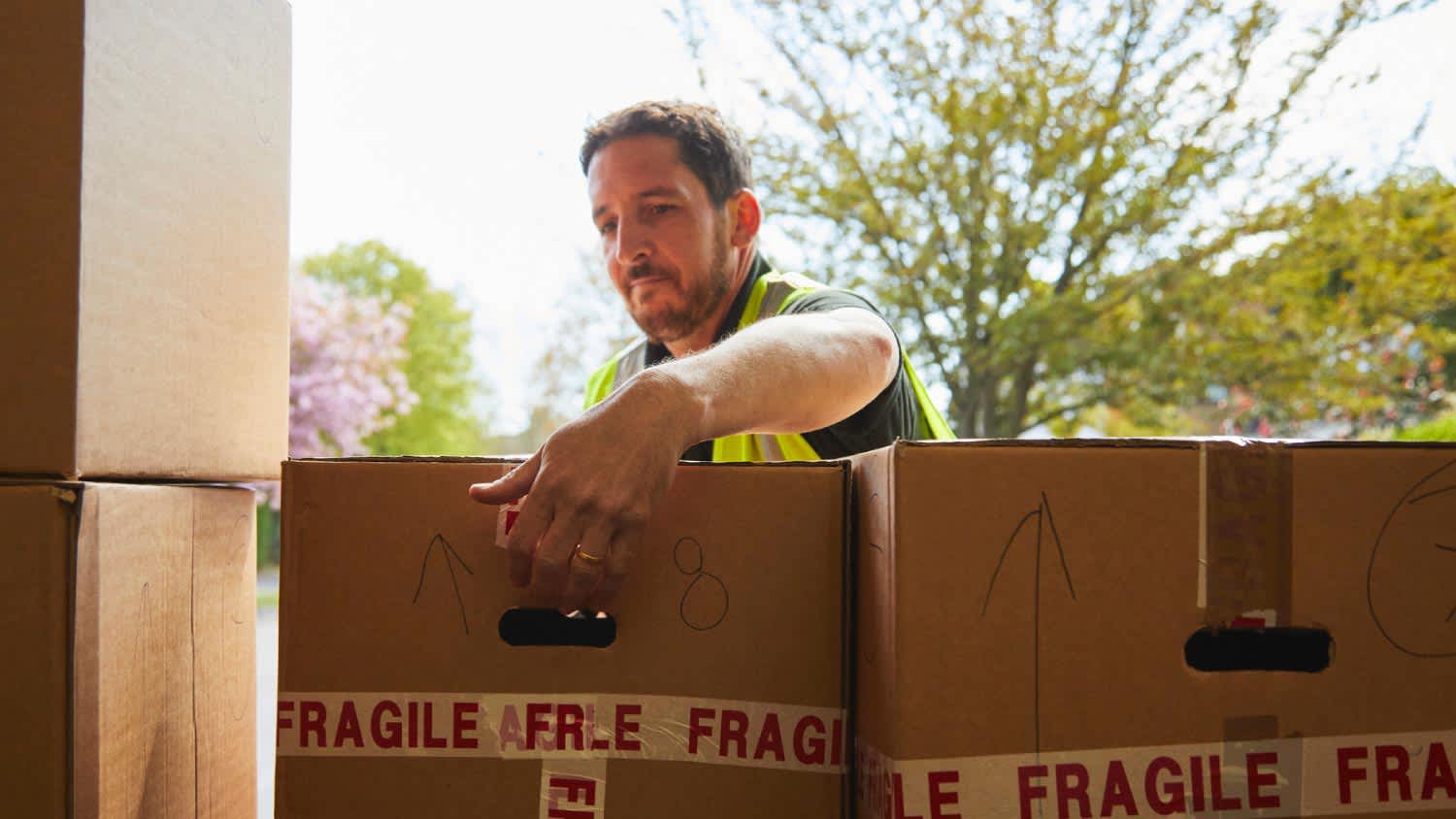
Learn about home items that are nearly impossible to move without movers, either because they are awkwardly shaped, too heavy, or require special equipment.

It’s normal to stress about your move. But learning about the types of moving companies can help you feel more confident about the process.

Need help moving furniture or other in-home heavy lifting? Your best bet is hiring professional movers to do the job for you.