





Top-rated generator install pros.

Get matched with top generator install pros in Sparta, IL

Enter your zip and get matched with up to 5 pros

Need a pro for your generator install project in Sparta, IL?

Select your specific project to find the pro for you.

Find Generator install pros in Sparta

Avatar for CD Electric
CD Electric
5.0(
6
)

Serving Sparta, IL and surrounding areas

Approved

In business since 2021

Free estimates

Emergency services offered

"CD Electric was fantastic. They added electrical outlets to the interior and exterior of my home and installed an exterior light. Chase was very thorough with the estimate he provided me and completed the job in the time he said it would take. I would definitely hire them again for any future jobs and I highly recommend them to anyone else."
Additional Photos
Additional Photos
Additional Photos
Additional Photos
Additional Photos

+6

Response time3 days
Recommended by100%of homeowners

Avatar for VMK Remodeling
VMK Remodeling
4.2(
19
)

Serving Sparta, IL and surrounding areas

Approved

Super Service Award Winner

In business since 2024

Free estimates

Warranties offered

"Vinc came and gave estimate and was very professional. The original job turned into a bigger job and he handled that very well. He was upfront with us on any changes in cost and completed the project professionally and skillfully."
Response time2 days
Response rate90%
77 neighbors recently requested a quote
Avatar for Tiger Services, LLC
Tiger Services, LLC
3.3(
249
)

Serving Sparta, IL and surrounding areas

In business since 1993

Emergency services offered

Warranties offered

"both certified plumbers were GREAT today...glad things were fixed under my manufactured home,,,puts me more at ease....different Tiger guys will be here on Thursday to fix something else under ,y home....ALWAYS like the way the Tiger guys do their work. Chyrel W"
November 2020 Project
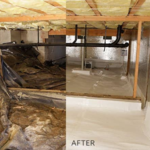
Does Your Crawlspace Look Like This?
Without Spray Foam Barrier
With Spray Foam Barrier
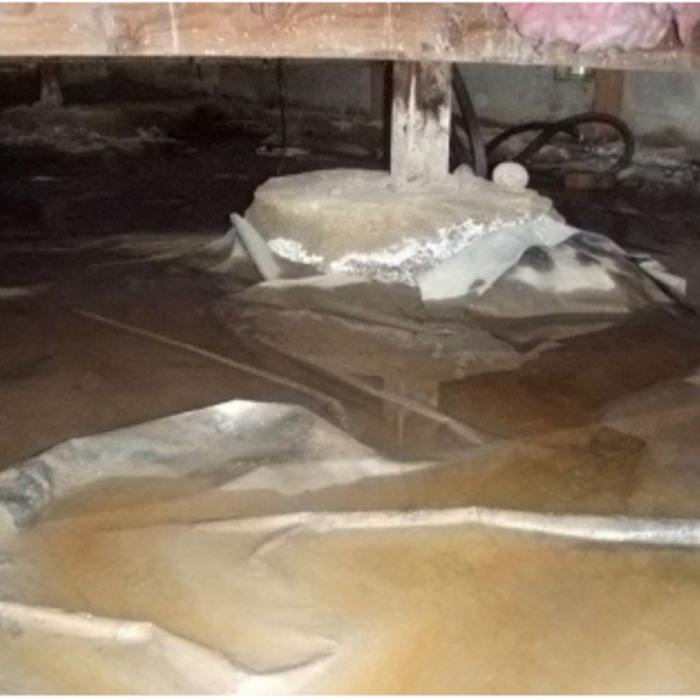
Without Tiger Signature Drainage Matting

+27

Response time1 day
Recommended by79%of homeowners

Showing 1-10 of 16
Generator Install questions, answered by experts

Generally, you’ll want to keep between 60 and 70 feet between the generator and the transfer switch. There are a few reasons for this, including:

  • The distance reduces the noise coming from the generator into your home.

  • It increases efficiency because you won’t have a voltage drop from this short of a distance.

  • Prevents carbon monoxide poisoning: keep at least 15 feet between your generator and an open window. 

No, you should never plug a generator directly into a wall outlet in your house. This practice is extremely dangerous, often illegal, and can cause "back-feeding," where power from the generator flows back into utility lines, creating a life-threatening hazard for utility workers. It can also damage your home's electrical system, including appliances like pumps and HVAC fans. If the main power is restored while the generator is connected, it can destroy the generator and cause an electrical fire. To safely connect a generator, you must use a professionally installed transfer switch or an interlocking kit, which prevents back-feeding by disconnecting your home from the utility grid before the generator provides power.

To determine the right size generator for your house, you should calculate the total wattage of the appliances and devices you want to power during an outage. List all essential items, note their start-up wattages, and add them together.

Here are some typical wattage requirements for common appliances:

  • Refrigerator: 600 watts

  • Large dehumidifier: 700 watts

  • Large window air conditioner: 1,400 watts

  • Water heater: 3,000 to 4,500 watts

  • Electric furnace: 5,000 to 25,000 watts

A 7,500-watt generator might be sufficient for essentials like a refrigerator, freezer, well pump, and lighting circuits. However, for high-demand items like a water heater or furnace, a whole-home generator is a better choice. A portable generator may be enough if you only need to power a few critical items.

While home square footage can offer a rough estimate, it is not always a reliable indicator. For reference, here are some typical generator sizes based on square footage:

  • 1,000 sq ft: 6–9 kW

  • 1,500 sq ft: 7–10 kW

  • 2,000 sq ft: 10–14 kW

  • 2,500 sq ft: 12–16 kW

  • 3,000 sq ft: 16–20 kW+

For the most accurate sizing, consult a professional who can calculate your home's peak and average power consumption and recommend the optimal generator.

While the rating will tell you how many watts the refrigerator needs at the peak of its cycle, it requires additional wattage to start. At the bare minimum, you’ll need a 1,500-watt generator to get the fridge up and running after a blackout. A 2,000-watt generator should be sufficient for most home refrigerators.

In many cases, yes. There are models called dual-fuel generators and fuel switches, but only between certain types of fuel. For example, with the right setup you can convert a generator from natural gas to propane. Some allow switching between diesel and gasoline. There are even tri-fuel generators available in some cases, which adds a large layer of security if you are worried about fuel availability in times of crisis. Always check your generator capabilities and manual instructions before trying to switch fuels. Some generators can use another fuel but may need a fuel conversion kit to prep them first.

The Sparta, IL homeowners’ guide to generator installs

From average costs to expert advice, get all the answers you need to get your job done.