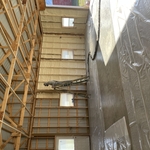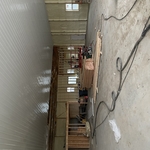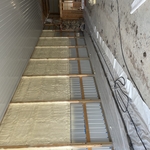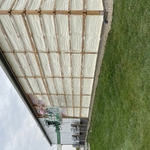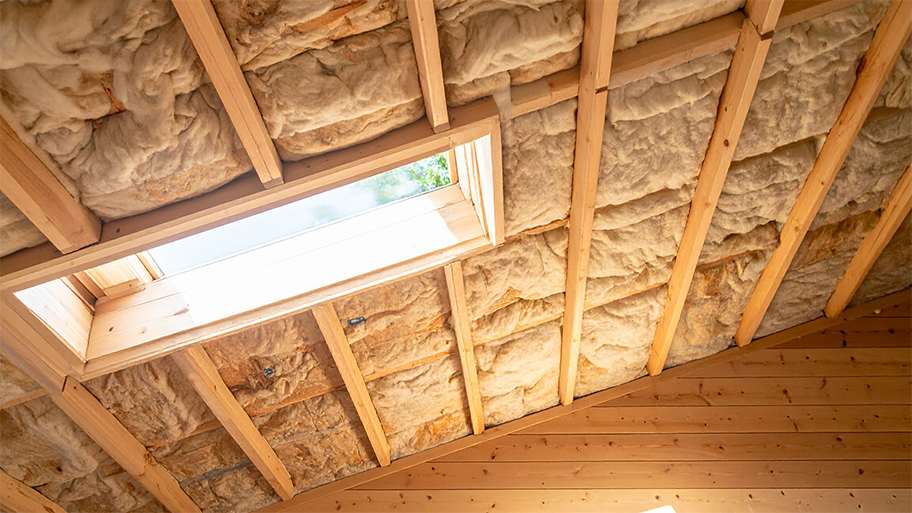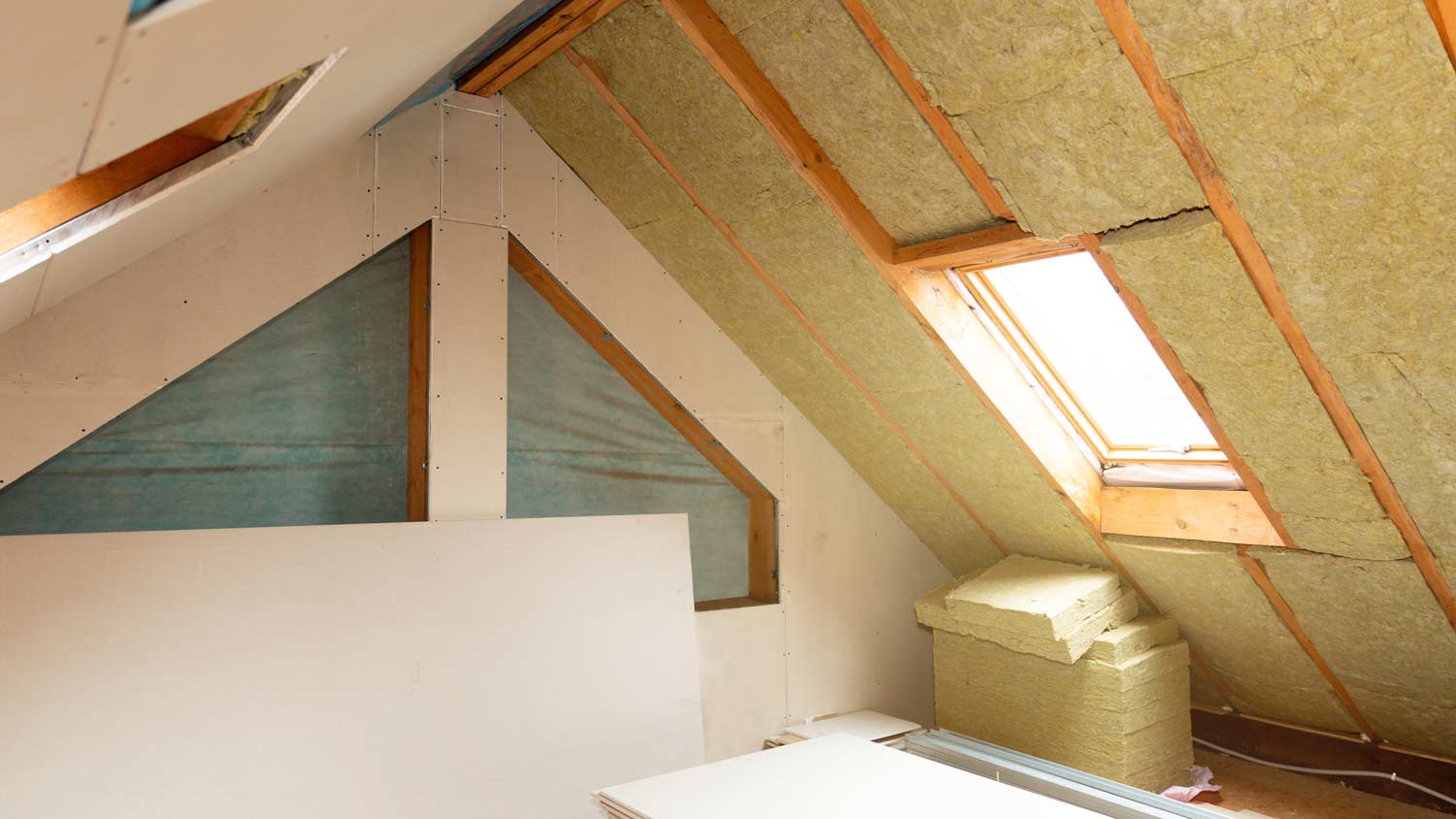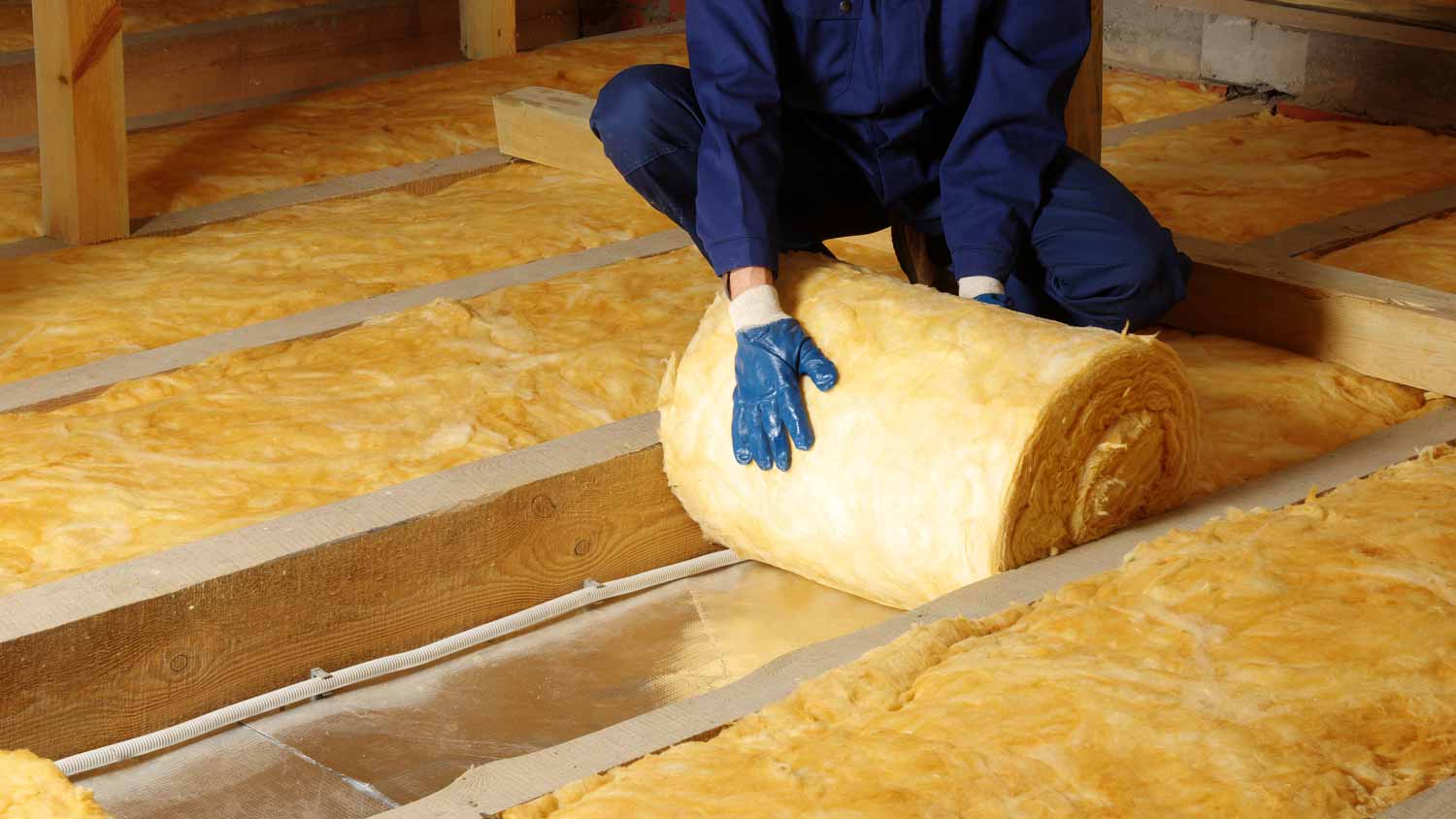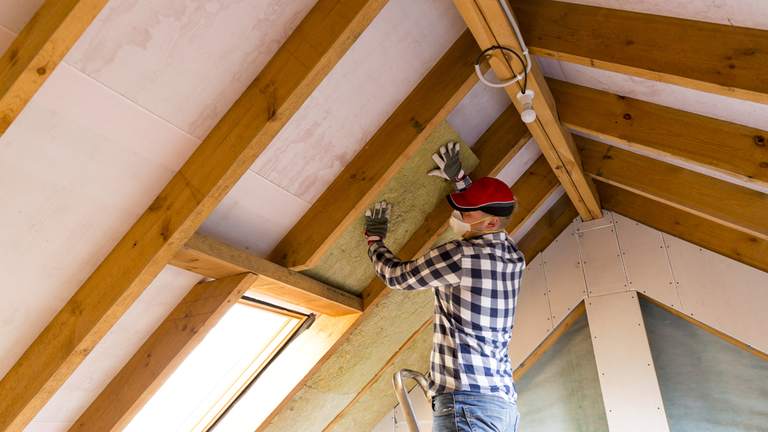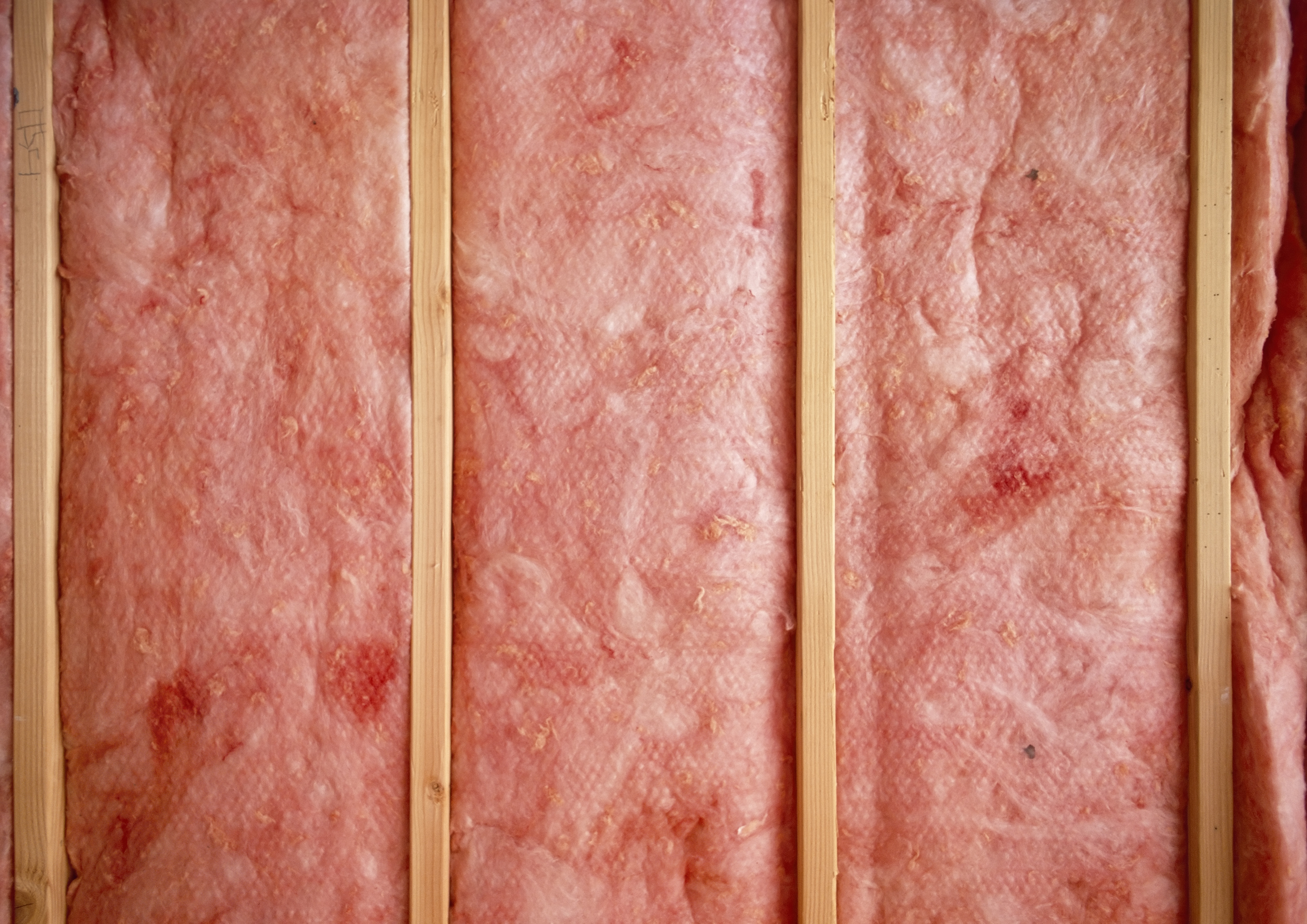




The average U.S. homeowner pays $1,850 to insulate their home. However, the cost of insulation depends on the type, the size of your home, and who does the installation work.
The cost of foam board insulation depends on whether it's made from expanded polystyrene (EPS) or extruded polystyrene (XPS). EPS has the lower price point, usually costing between $0.25 and $0.50 per board foot, while XPS costs between $0.40 and $0.50 per board foot.
The level of insulation is determined by both the material and the thickness of the door. Some garage door materials (such as wood) have natural insulating capabilities, while other materials (such as metal) do not. No matter the material, two-layer and three-layer garage doors have a higher R-value than single-layer garage doors, as insulation is fitted between the panels.
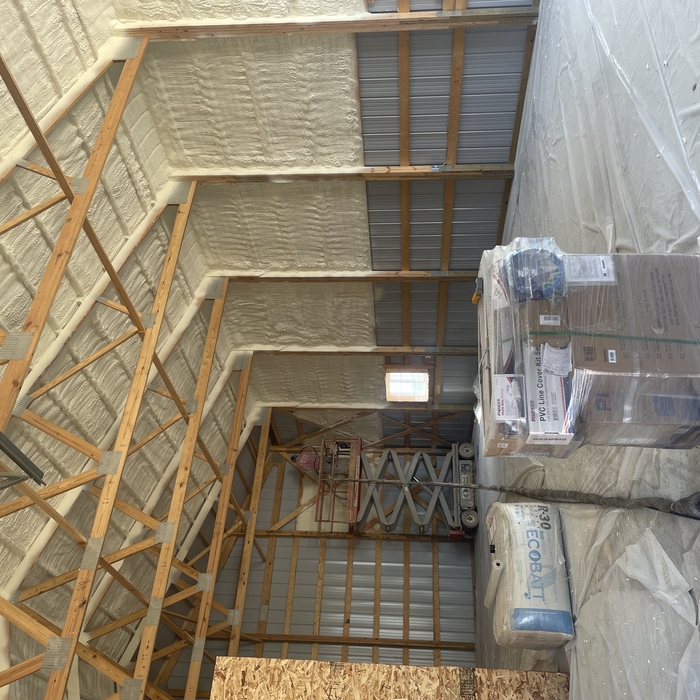
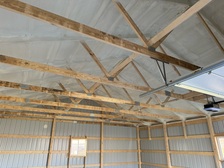
The most insulative type of insulation for behind drywall is spray foam insulation, but this is the most expensive insulation available. The most common insulation—sometimes considered the best for the value you get for the money—is fiberglass roll or fiberglass batt insulation, which is significantly more affordable but also far less insulative. The best kind of insulation for your house will also vary based on the climate in your area, your budget, and more. A professional insulation company can help you decide which type is best for your home.
The best R-value for home insulation depends on where you live and where you’re installing the insulation. Your climate zone plays the biggest role in determining the correct R-value, so be sure to know which zone you live in when determining the R-value you need.
Spreading tin foil over your windows works similarly to radiant barrier insulation, but not as well. It will reflect some of the sunlight that would otherwise come through the glass and warm up the inside of your home, so it might help a little to keep your home cool in the summer. However, the appearance isn’t preferable to blinds or drapes that can offer the same benefits. You might also consider tinting your windows instead, which is a more aesthetically pleasing change that can still block a good portion of the solar heat coming through your windows.
The Rushville, IL homeowners’ guide to insulation services
From average costs to expert advice, get all the answers you need to get your job done.
Insulating your attic can massively improve your home’s efficiency and reduce electric bills. Use this guide to find out what attic insulation will cost you.
Removing old insulation may be necessary for upgrading your insulation. Keep reading to see if you should remove old insulation before adding new insulation.
Learn how to decide if your home needs dryer vent insulation to protect your vent from drafts and moisture that can make your energy usage less efficient. Poorly ventilated dryer vents also increase mold risks!