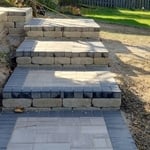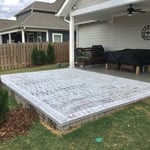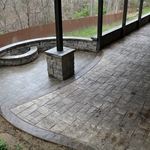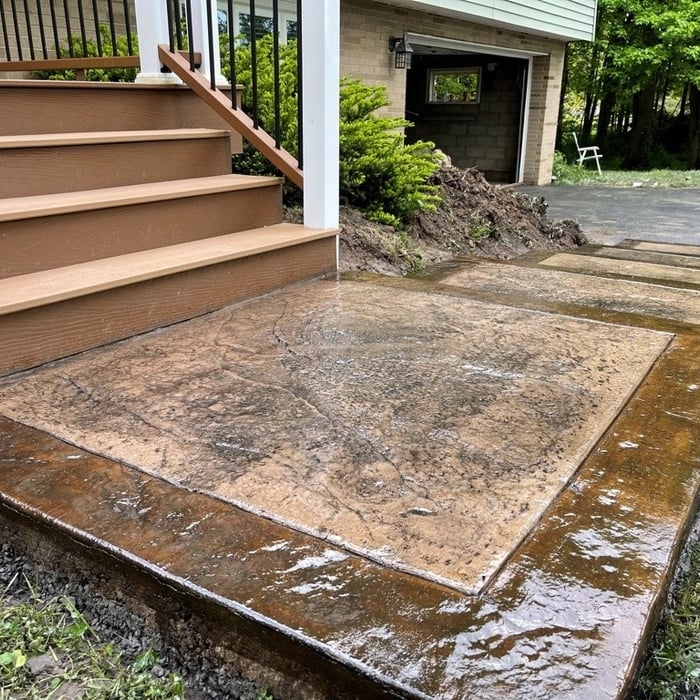






Top-rated retaining wall installation pros.

Get matched with top retaining wall installation pros in Moweaqua, IL

Enter your zip and get matched with up to 5 pros

Need a pro for your retaining wall installation project in Moweaqua, IL?

Select your specific project to find the pro for you.

TRUSTED BY MOWEAQUA, IL HOMEOWNERS

  • Average homeowner rating star icon4.8
    Average homeowner rating
  • Verified reviews icon11
    Verified retaining wall installation services reviews

Find Retaining wall installation pros in Moweaqua

TS Tedrick Home Improvement
New to Angi
Retaining Wall - Install

Serving Moweaqua, IL and surrounding areas

In business since 2006

TS Tedrick Home Improvement a locally owned, full service contractor with 11 years of experience providing high quality service to home owners in Effingham and surrounding counties. We specialize in prompt & courteous service, along with competitive prices. We care about each individual by meeting his or her specific needs. We strive to make you a repeat customer. We offer a variety of services, which include concrete driveways, walks, patios and pool decks. In addition, we install retaining walls, siding, fences, cabinets, and countertops. We also do remodels and renovation of kitchens, bathrooms, basements, and garages. Call us today to make your custom dreams come true.

Showing 1-10 of 20
Retaining Wall Installers questions, answered by experts

Yes, including patterns, finishes, and plant integration for aesthetic enhancement.

Yes, to build a retaining wall, a permit is required. Similarly, any repairs or modifications to an existing retaining wall require permits. If the planned wall measures higher than 4 feet, most municipalities require designs and permits come through a licensed engineer. In some locations, if the wall is shorter than 4 feet, a permit may not be required. For the requirements in your area, contact your local government.

Railroad ties can be good for retaining walls, but it depends on the area. They have a desirable rustic look and are durable. The problem is they’re treated with creosote, a preservative the EPA says poses a risk to humans and wildlife. Over time, the preservative seeps out of the wood and into the ground. Many areas have banned the use of creosote-treated wood on residential properties. If your area does allow it, never use railroad ties near an edible garden or drinking water source. Instead, use wood that’s treated with an EPA-approved preservative or a wood-alternative composite material.

Each design is different, so we can’t say definitively if you’ll need a dedicated drainage system in place for a two-foot retaining wall. However, you can likely skip the drainage, as this project is typically served for walls that are 4 feet tall or more. Even with a relatively low wall, consider drainage if you are building on top of clay or poor-draining soil types or if there are buried water sources nearby, like a well used for other outdoor garden projects.

The lifespan of a retaining wall varies based on its material, installation quality, maintenance, and local climate, with an average range of 20 to 100 years. Retaining walls made from durable materials like concrete, stone, and brick generally last a minimum of 50 years. Concrete walls typically last between 50 and 100 years, while brick can last for over a century in ideal conditions. Timber retaining walls can last from 20 to 40 years, depending on the wood quality, and pressure-treated wood walls average around 30 years. It is important to note that a retaining wall can fail prematurely if it was poorly constructed, for example, with inefficient footings or without necessary rebar reinforcements.

The Moweaqua, IL homeowners’ guide to retaining wall installation services

From average costs to expert advice, get all the answers you need to get your job done.