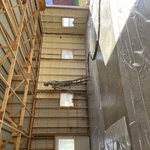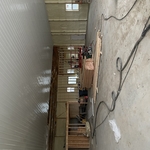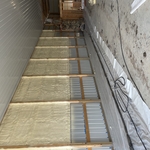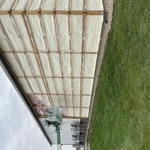

Top-rated insulation pros.

Best insulation pros near Monticello, IL

Enter your zip and get matched with up to 5 pros

Need a pro for your insulation service project in Monticello, IL?

Select your specific project to find the pro for you.

TRUSTED BY MONTICELLO, IL HOMEOWNERS

  • Average homeowner rating star icon4
    Average homeowner rating
  • Verified reviews icon14
    Verified insulation services reviews

Top-Rated Insulation pros in Monticello - Updated Nov 2026

Assured Insulation Decatur, LLC
5.0(
1
)
Batt, Rolled or Reflective Insulation - Install or UpgradeBlown-In Insulation - Install or UpgradeInjection Insulation - Install+1 more

Serving Monticello, IL and surrounding areas

Approved

In business since 2014

Free estimates

Customers say: Quick response

We are a locally owned and operated company that values honesty and integrity in all aspects of our business. Our dedicated team of professionals have over 10 years of hands on experience, to provide innovative ideas and suggestions tailored to your projects. Our services are customized to your individual needs, paying close attention to the details of each project that we are involved with. Please feel free to contact us today!

Response time1 day
Response rate92%
Recommended by100%of homeowners

PSR Home Improvement
4.9(
14
)
Batt, Rolled or Reflective Insulation - Install or UpgradeBlown-In Insulation - Install or UpgradeInjection Insulation - Install+2 more

Serving Monticello, IL and surrounding areas

In business since 2001

Free estimates

Credit card accepted

"They started at 8 am and worked till sundown. Had everything done in 2 days. Had a small leak say after with first rain. Called them to let them know. They had someone come within 30 minutes and fixed issue. Hasn't leaked since."
Additional Photos
Additional Photos
Additional Photos
Additional Photos
Additional Photos

+13

Recommended by100%of homeowners
Showing 1-10 of 18
Insulation FAQs, answered by experts

STC (Sound Transmission Class) is a rating that describes how well a building material or assembly blocks airborne sound. A higher STC rating means less noise will pass through the material, providing better sound reduction. This rating system applies to various building components, including windows, doors, flooring, drywall, and insulation.

For context, a typical single-pane window has an STC rating of around 25 (where normal conversations are audible), while a well-sealed, double-pane window can exceed STC 45 (blocking loud speech and most music). It is important to note that for some products, like soundproofing drywall, the STC rating refers to the entire wall system, not just the individual panel.

Additionally, STC ratings are most effective for measuring sound reduction at mid-to-high frequencies, such as human speech, and may not accurately reflect how well a material blocks low-frequency sounds like bass music or thunder. Because of these factors, it is recommended to consult a professional to determine the right STC-rated materials for your specific soundproofing needs.

Not necessarily. A higher R-value simply means that the insulation has a higher heat resistance and performs better in terms of how much heat passes through the material. This can be better for some homes, or it can be too high of an R-value for other homes. Again, your climate zone determines whether the insulation is better for your home.

One of the clearest signs that your insulation isn’t working as well as it should be is a noticeable difference in temperature throughout your home. One room might feel icy while another is hot as Arizona—this indicates that some parts of your home are either retaining or losing heat more than others. Additionally, a sudden increase in your energy bills, evidence of pests or rodents, or evident water damage are other signals that warrant a thorough inspection of your insulation and potential replacement.

Yes, exposure to fiberglass insulation can cause harm to your skin and eyes. However, this typically refers to the fiberglass insulation that is mostly used in walls and attics. Fiberglass doors don’t pose risks for fiberglass exposure because they're fully encased in polymer cladding.

Because of the moisture concern, open-cell foam requires a vapor barrier. The barrier protects against high humidity and moisture exposure in rooms such as basements, bathrooms, or exterior walls. It wouldn't be necessary in dry interior spaces.

The Monticello, IL homeowners’ guide to insulation services

From average costs to expert advice, get all the answers you need to get your job done.