




Top-rated tree service pros.

Best tree service pros near Lawrenceville, IL

Enter your zip and get matched with up to 5 pros

Need a pro for your tree service project in Lawrenceville, IL?

Select your specific project to find the pro for you.

TRUSTED BY LAWRENCEVILLE, IL HOMEOWNERS

  • Average homeowner rating star icon4.8
    Average homeowner rating
  • Verified reviews icon38
    Verified tree services reviews

Top-Rated Tree service pros in Lawrenceville - Updated Nov 2026

Highline Excavation
New to Angi
Tree RemovalTree Stump - RemoveTree Trimming

Serving Lawrenceville, IL and surrounding areas

Approved

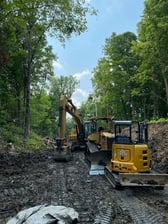
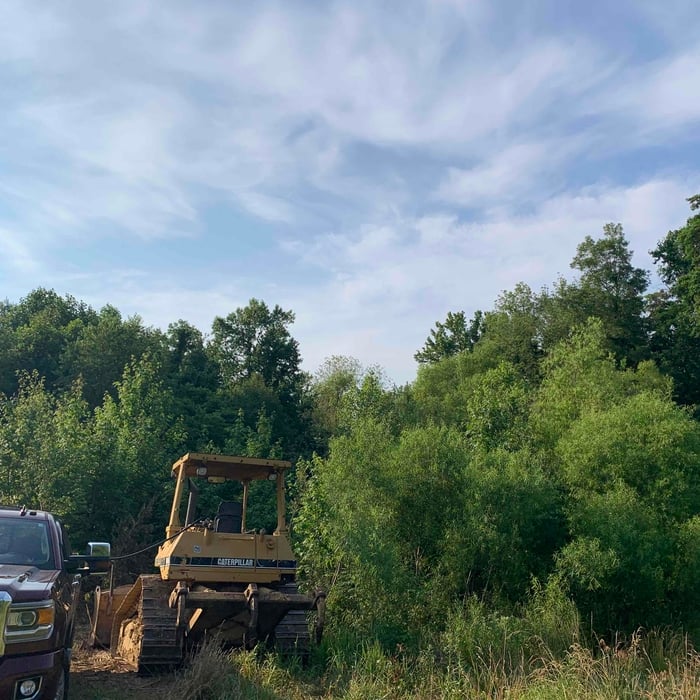
Hi, I'm Isaiah, owner of Highline Excavation. I provide dependable excavation services throughout Owensboro, Bowling Green, Henderson, Evansville, and the surrounding areas. Whether you need a building pad, grading/sloping, trenching, gravel driveway installation or repair, land clearing, small demolition, or junk removal, I show up on time, work hard, and treat every job like it's my own property. If you're looking for honest work, fair pricing, and someone who takes pride in doing the job right the first time, I'd love the opportunity to earn your business. Reach out for a free estimate!\n

Avatar for KLSE Regeneration
KLSE Regeneration
5.0(
14
)
Tree RemovalTree Trimming

Serving Lawrenceville, IL and surrounding areas

In business since 2022

Small jobs welcome

Credit card accepted

"We hired KLSE to remove a full size tree near our house. Their work was top notch and performed safely throughout the job. The owner communicated very well and ensured all of our requests were fulfilled. We highly recommend KLSE to all others looking for tree service, logging, or general site and culvert work!!!"
Response time9 hrs
Response rate93%
Recommended by100%of homeowners
Showing 1-10 of 38
Tree Service FAQs, answered by experts

It can take anywhere from one month to a couple of years for tree roots to grow back in sewer lines. Tree roots can cause extreme havoc on your sewer lines, potentially cracking them and causing untreated wastewater to make its way into the groundwater. Have a landscaping pro remove trees and roots before installing your system, or call a pro to do it retroactively as soon as you can.

Late winter is ideal, but if you’re pruning apple trees in the spring, prune them as early as possible in the season. You want to ensure your tree is just creeping out of dormancy and hasn’t started pushing out new growth. If you prune your tree too late into spring, you generally won’t see results until the following year.

That said, there’s no pruning season for unhealthy growth. Remove dead, dying, or diseased branches as soon as you notice them, regardless of the time of year.

Yes, it is highly recommended to remove tree stumps. Leaving them in the ground can lead to several problems, as they are not only unsightly but can also reduce your property's value. Stumps can obstruct landscaping plans, make mowing difficult, and hinder new growth. More importantly, they are prime breeding grounds for pests like termites, ants, and mice, which can spread to your home and cause costly damage to its wood and foundation. Stumps also attract fungi and diseases that can infect other healthy trees and plants in your yard. As a stump decays, it might sprout new, unwanted shoots. While removing a stump is an investment, it prevents these potential issues and enhances the safety, health, and appearance of your landscape.

For safety reasons, leaning trees are best removed by a professional, as they may often tear away from the hinge, causing you to lose control over where the tree falls. If you choose to cut down a tree leaning slightly, avoid cutting off root protrusions before you start. Make your hinge a little longer than usual by cutting it deeper (up to 30% of the diameter) and applying a wedge into the felling cut on the side the tree is leaning. Stand away from the direction the tree leans while making your felling cut.

Not all leaning trees are dangerous, but they can be a hazard as gravity may eventually cause them to fall. A key factor is whether the lean is new or has been present for a long time. Trees that have grown with a lean for years are not typically an immediate danger, but a sudden lean is a cause for concern as it often indicates weakening roots. If a tree is leaning more than 15% from vertical, you should consider having it straightened or transplanted. To be safe, it's always best to hire a professional arborist to inspect any leaning tree to assess the risk and avoid potential accidents.

The Lawrenceville, IL homeowners’ guide to tree services

From average costs to expert advice, get all the answers you need to get your job done.