



Top-rated structural engineers.

Get matched with top structural engineers in Kansas, IL

Enter your zip and get matched with up to 5 pros

Need a pro for your structural engineering project in Kansas, IL?

Select your specific project to find the pro for you.

Find Structural engineers in Kansas

Avatar for American Basement Solutions
American Basement Solutions
4.3(
46
)

Serving Kansas, IL and surrounding areas

In business since 1992

Credit card accepted

"Work went well. Crew arrived when scheduled and on time. Seemed very professional, friendly, and conscientious. They showed me what they were doing and how the piers would be installed. I gathered 5 quotes for the job and they were the most professional/competitive of everyone I spoke with and I was not disappointed. Only minor complaint would be that it seemed the grading on the back fill was left a bit high. I was told it would settle, but I doubt it will settle that much. Not a big deal--I would still highly recommend them."
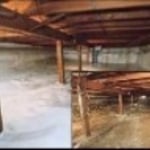
Additional Photos
Additional Photos
Additional Photos
Recommended by85%of homeowners
Structural Engineering questions, answered by experts

The essential difference between an architect and an engineer is that architects typically focus more on the aesthetic design of buildings, although not without consideration for the structural integrity of the building. Engineers focus more on the structural, technical, and practical aspects of whether and how an architectural design can be built as drawn. You may need to hire both types of professionals if you’re designing and building a new home.

Water can seep into porous materials like wood beams, floor joists, and roof rafters within minutes, but they’ll need to see prolonged exposure before you have structural damage. Mold can start growing within 24 hours, and mold can eat away at the structural components over time. Wood rot is more of a concern, though. Wet and dry rot are fungal infections that set in in moist conditions and rapidly deteriorate wood, causing major structural damage within just a few months in some cases.

The standard thickness for an LVL beam is between 1.75 inches and 7 inches. However, you can order LVL beams in non-standard sizes as well. When you work with a contractor, they can source beams that are the appropriate size for your project for you after assessing your blueprints.

It's safe to assume that all exterior walls are load-bearing, or at least have load-bearing characteristics. Some older homes feature porches or bump-outs that don't rest on the home's foundation. However, they still must carry the weight of the roof section they support. Walls containing floor-to-ceiling glass or other non-structural elements must use post and beam configurations to meet load-bearing criteria.

The easiest way to tell if a wall is load bearing is to check if it’s an exterior wall or if it runs perpendicular to the joists above and below it (or parallel to beams). Exterior walls are almost always load-bearing, and walls that run under beams or parallel to them are also usually load-bearing. There are exceptions to these rules, and walls that don’t fit into these categories can still be load-bearing. If you’re unsure, hire a structural engineer to look at your home to assess whether or not the wall is structural.

The Kansas, IL homeowners’ guide to structural engineering services

From average costs to expert advice, get all the answers you need to get your job done.

What do you need done? We’ll find top pros.
  • 🌱 "Mow a small front yard"
  • 🛠 "Fix a leaking pipe under the sink"
  • 🏠 "Repair shingles on an asphalt roof"