



Top-rated excavation pros.

Get matched with top excavation pros in Kansas, IL

Enter your zip and get matched with up to 5 pros

Need a pro for your excavation project in Kansas, IL?

Select your specific project to find the pro for you.

Find Excavation pros in Kansas

Avatar for P & C Top Grade
P & C Top Grade
New to Angi
Building Site - Preparation and ClearingExcavation - Major Grading or Resloping

Serving Kansas, IL and surrounding areas

Approved

In business since 2022

Free estimates

P & C Top Grade is committed to excellence in every aspect of our business. We uphold a standard of integrity bound by fairness, honesty, and personal responsibility. Our distinction is the quality of service we bring to our customers. Accurate knowledge of our trade combined with ability is what makes us true professionals. Above all, we are watchful of our customers' interests, and make their concerns the basis of our business.

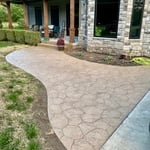
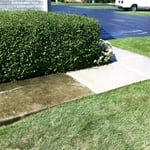
Stamped front walk
Response time1 day
6 neighbors recently requested a quote
Avatar for Spittler Excavating LLC
Spittler Excavating LLC
4.0(
4
)
Building Site - Preparation and ClearingBuilding Site - Preparation and Clearing - For BusinessExcavation - Major Grading or Resloping+1 more

Serving Kansas, IL and surrounding areas

In business since 2010

Free estimates

Credit card accepted

"Eland's service will leave you smiling and your property looking great. I use him consistently to clear old structures on my new construction sites, and he is truly top-notch, and treats everyone with respect. If you want to get the job done in a detail-oriented and safe way, call Eland."
Recommended by75%of homeowners
Showing 1-10 of 29
Excavating questions, answered by experts

Excavations take a few days or up to a few weeks. The time it takes to excavate an area depends on the size of the area, the type of soil, the type of excavator, and even the time of year, since winter can make digging up the ground more difficult.

There are several methods to hollow out a tree stump, and the best one depends on your tools, experience, and priorities. Common methods include using a chisel and hammer, a chainsaw, or burning.

  • Chisel and Hammer: This is often considered the easiest approach for those with limited tools or experience, though it is the most time-consuming.

  • Chainsaw: Using a chainsaw is the fastest method, but it comes with significant safety risks, especially for inexperienced users.

  • Burning: This can be an effective method, but it is not recommended unless you can first drill holes into the stump. Without holes, the stump will be difficult to light and may not burn completely through.

A power drill with at least a ⅜-inch diameter bit can make the job quicker and easier, regardless of the primary method. While you can use a chisel or chainsaw without a drill, it will require more time and effort. Always wear protective goggles and thick gloves, as splinters are an inevitable risk.

The best type of soil to build on is a mixture of sand and clay, known as loam soil. Loam soil has the best combination of these soil types to build a foundation on. The clay particles help with water retention, so it won’t erode like sandy soil might, and the sandy particles help with drainage, so you won’t see unsafe soil expansion or have an increased risk of leaks from water sitting against your foundation.

After you successfully remove your boulder, you have a few options for what to do to get rid of it. You can rent a dumpster if your yard has many boulders or if you’re planning a larger project. You can even save the boulder and reuse it elsewhere on your property to save on landscaping costs. A few ideas include using the boulder as a natural, abstract statue, breaking it into smaller pieces to line your garden bed, or offering it to a landscaping company that could reuse it for another project.

A trench that is less than 5 feet deep often doesn't require a protective system. Most residential trenches will not go this deep (the typical residential drainage trench is just 18 inches deep). In the event that an excavator needs to dig more than 5 feet beneath the surface, a protective system is required unless the excavation is in entirely stable rock.

The Kansas, IL homeowners’ guide to excavation services

From average costs to expert advice, get all the answers you need to get your job done.