Oak Creek Outdoor Services is committed to excellence in every aspect of our business. We uphold a standard of integrity bound by fairness, honesty, and personal responsibility. Our distinction is the quality of service we bring to our customers. Accurate knowledge of our trade combined with ability is what makes us true professionals. Above all, we are watchful of our customers' interests, and make their concerns the basis of our business.
I recently moved from the state of Florida to Indiana in 2024, I've been doing masonry work for a little over 6 years now and the previous work I did before that I was a carpenter for 8 years a roofer for 6 years you can say I am a jack of all trades I love the work that I do and I'm hoping I will have the opportunity to work with some you lovely people of Indiana. I live in the Lafayette area and will to serve its surrounding cities.
I am a Union tradesman \nPlasterer \nPainter\nCaulker\nWater proofer\nRoofer\nI can do so much more over the years ive become very talented in many construction environments. I habe osha 30 and various boom lifts, and scaffolding equipment.
Were a locally owned and operated company that values honesty and integrity in all aspects of our business. We offer a variety of services that are customizable to each individual project. We pride ourselves on the quality of our work as well as our commitment to outstanding results. We look forward to building lasting relationships with our clients and guarantee your satisfaction!\n
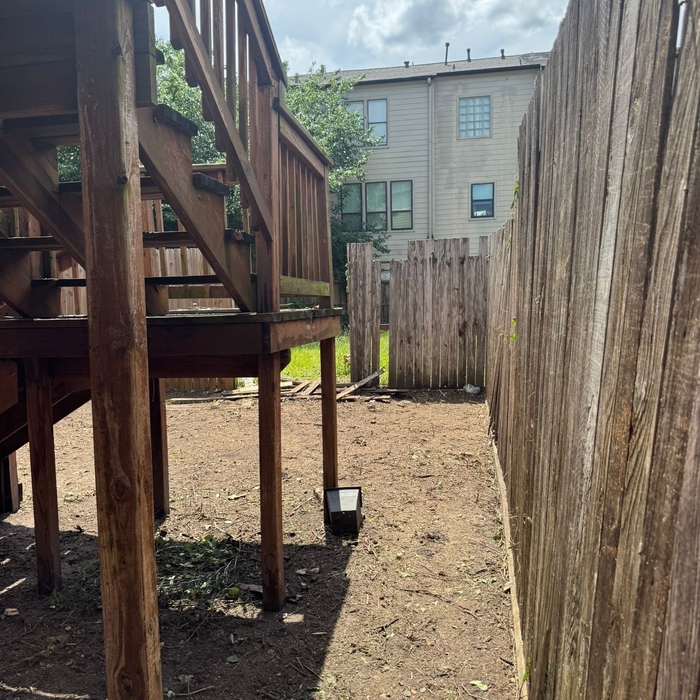
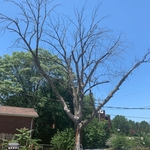
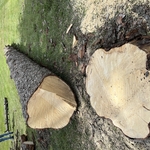
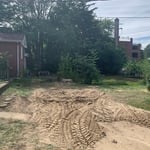
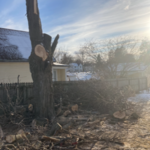
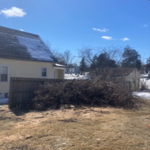
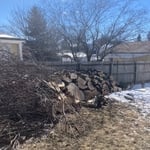
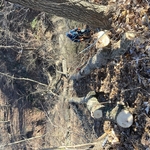
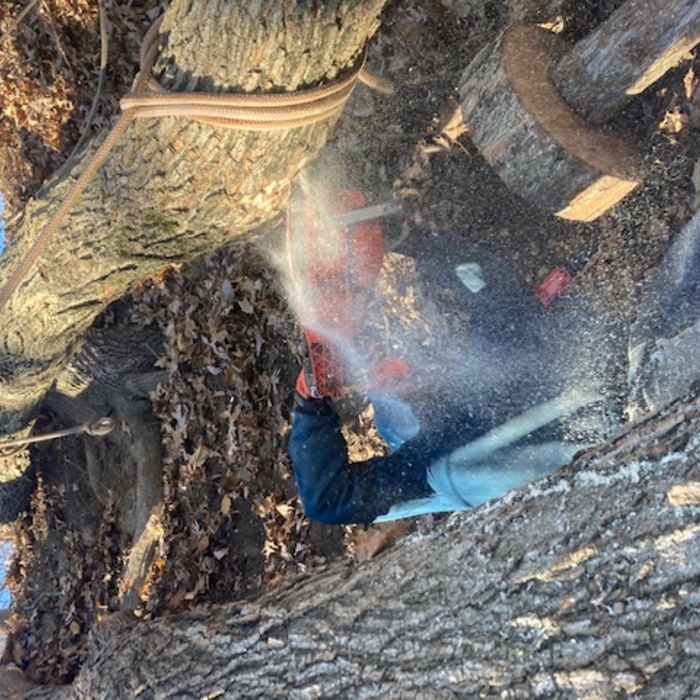
Welcome to Baxter Utility Services LLC\nWe are a small family owned and operated business. Providing you all your tree service needs from Tree Removal, Trimming, and Stump Grinding. Let us give that old tree area a fresh new look with clean black dirt and some grass seed. We would love to bring you an amazing, finished product.\nThank you for your consideration and we look forward to giving you a quote!
Family owned business with quality and skilled work! before starting this business I trimmed for Ameren doing over-hangs over high voltage power lines. \n\nWe offer a 5% Veteran & Senior Discount.\n\nTree trimming, storm damage, service wire trimming, and full removals.
A small business with years of experience but just starting out on my own, fully insured, free estimates, and affordable rates! Family owned and operated!
Kaboom Rigging is committed to excellence in every aspect of our business. We uphold a standard of integrity bound by fairness, honesty, and personal responsibility. Our distinction is the quality of service we bring to our customers. Accurate knowledge of our trade combined with ability is what makes us true professionals. Above all, we are watchful of our customers interests, and make their concerns the basis of our business.
King Outdoor Services LLC specializes in professional lawn maintenance and landscaping for both residential and commercial. Focusing on quality and integrity, our professionals are the best in the business. We are a caring and committed company.
It enhances property aesthetics, improves tree health, and prevents safety hazards.
Unless there’s some sort of rule in your community’s homeowners’ association that requires you to remove a stump, there’s no law that says you have to take it out. If you’re not wedded to the idea of removing it, there are plenty of ways to get creative with this tree remnant. Using the stump as the medium for a wood carving or turning it into a planter are just two examples of ways to repurpose a tree stump.
No, you should never top maple trees. Topping injures the tree and leads to the rapid growth of a weak canopy, which can be hazardous to rooftops and utility lines. Removing the crown can also leave the interior bark vulnerable to sun damage, leading to insects and disease. A topped tree can also reduce property value and permanently damage the appearance of a tree.
Costs depend on tree height, trunk diameter, removal complexity, and required equipment.
Using vinegar to kill tree roots is just one of the clever ways to use vinegar around the house. The method works best when you apply vinegar as directly to the root system as possible. For example, if the old tree roots and stump are currently exposed, drill holes in the tops of the roots and pour undiluted white vinegar into the holes to soak into the plant. Remember that vinegar can kill the surrounding grass and plants should it pour over the edge.
The Hoopeston, IL homeowners’ guide to arboricultural services
From average costs to expert advice, get all the answers you need to get your job done.
How much does an arborist cost? This guide explains the cost of different services, ongoing expenses, and other factors to consider when hiring an arborist.
Arborists are specialized tree care experts. This guide will help you hire an arborist with all the qualifications to give your trees the best care possible.