




Top-rated asphalt driveway pros.

Get matched with top asphalt driveway pros in Greenfield, IL

Enter your zip and get matched with up to 5 pros

Need a pro for your asphalt driveway service project in Greenfield, IL?

Select your specific project to find the pro for you.

Find Asphalt driveway pros in Greenfield

Avatar for Driveway911.com
Driveway911.com
4.4(
13
)

Serving Greenfield, IL and surrounding areas

Approved

In business since 1991

Free estimates

Emergency services offered

"Driveway 911 was an absolute Godsend! I’m so grateful I found their listing online because I could not find anyone else that could repair my driveway for as little as they did and for as quick and efficient as they were!!"
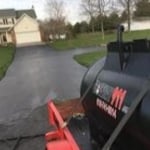
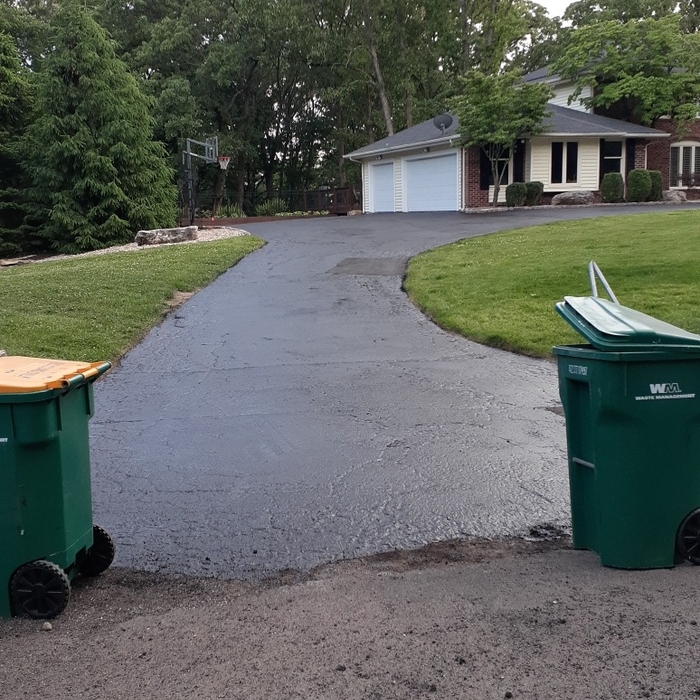
Edwardsville IL Asphalt Sealcoating
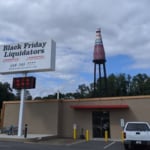
Worlds Largest Catsup Bottle Collinsville IL Asphalt Seal Coat
Chesterfield Asphalt Sealcoating
Asphalt Repairs and Seal Coat Collinsville IL
Asphalt SealCoat

+23

Response time6 days
4 neighbors recently requested a quote
Recommended by84%of homeowners

Paving For You
5.0(
1
)

Serving Greenfield, IL and surrounding areas

In business since 2005

Offers commercial services

We are committed to excellence in every aspect of our business. We uphold a standard of integrity bound by fairness, honesty, and personal responsibility. Our distinction is the quality of service we bring to our customers. Accurate knowledge of our trade combined with ability is what makes us true professionals. Above all, we are watchful of our customers' interests, and make their concerns the basis of our business.

Response time2 days
Response rate100%
Recommended by100%of homeowners

Showing 1-10 of 15
Asphalt Driveways questions, answered by experts

Driveway aprons typically range between four and seven inches thick, though your town's building codes will likely have specific requirements. Additionally, you may need to add a layer of permeable aggregate in the excavation below your paved apron to ensure proper stormwater drainage.

When hiring an asphalt paving contractor to install your driveway, ask as many questions up front as possible. Here are a few questions to ask a prospective driveway contractor:

  • How many years of experience do you have?

  • Are you licensed, bonded, and insured?

  • Do you have worker’s compensation?

  • Do you use subcontractors on your projects?

  • Do you clean up after the job is done?

  • Who is responsible for any damage to lawn or landscaping?

  • Do you provide a guarantee or warranty on your work?

  • Do you give free estimates?

  • What is the timeline for completion?

  • How do you handle change orders?

  • Can you provide at least three references?

  • Can I see some of the work you’ve done?

The decision to repair or replace your driveway depends on the extent of the damage. If your driveway has a few small cracks, a simple repair will do the trick. If you see larger cracks and potholes, it may be time to consider resurfacing or replacement. Resurfacing is a great option if more than 25% of the surface is damaged, but if the damage is extensive—deep cracks or significant sinking—it’s best to replace the driveway entirely. A new driveway, with proper care, can last decades while patching or resurfacing might only hold up for a few years before needing more attention.

The answer to whether or not you need to get a permit before you start your driveway can vary widely based on local ordinances and the scope of your driveway ideas. In most urban and suburban areas, a permit is needed before building a new driveway to ensure that a homeowner is using safe materials and proper drainage practices while designing and constructing a new driveway. In some rural areas, a homeowner may not be required to apply for a permit. When building a new driveway on your own, always check with your local building department to see if you need to request a permit. When hiring a driveway contractor, verify that the right permits are being used before driveway construction begins.

Asphalt and tarmac are not the same thing. Traditional tarmac, short for tarmacadam, uses tar as a binder to hold crushed stone together. Asphalt uses bitumen—a byproduct of crude oil—to bind aggregate. Though tarmac was once a go-to for roads, asphalt has become the modern standard. And these days, most surfaces referred to as “tarmac” are actually asphalt. So, while the names may overlap, the key distinction lies in the binder—tar for tarmac and bitumen for asphalt.

The Greenfield, IL homeowners’ guide to asphalt driveway services

From average costs to expert advice, get all the answers you need to get your job done.
What do you need done? We’ll find top pros.
  • 🌱 "Mow a small front yard"
  • 🛠 "Fix a leaking pipe under the sink"
  • 🏠 "Repair shingles on an asphalt roof"