





Top-rated deck staining pros.

Get matched with top deck staining pros in Glenwood, IL

Enter your zip and get matched with up to 5 pros

Need a pro for your deck staining project in Glenwood, IL?

Select your specific project to find the pro for you.

TRUSTED BY GLENWOOD, IL HOMEOWNERS

  • Average homeowner rating star icon4.1
    Average homeowner rating
  • Verified reviews icon148
    Verified deck staining services reviews

Find Deck staining pros in Glenwood

Avatar for Precise Painting and Restoration
Precise Painting and Restoration
5.0(
100
)
Exterior Home or Structure - Paint or Stain: MediumExterior Home or Structure - Paint or StainExterior Home or Structure - Paint or Stain: Large

Serving Glenwood, IL and surrounding areas

Approved

In business since 2002

Free estimates

Emergency services offered

"Juan and his team did an outstanding job painting my deck! My deck looks like a brand new deck. Juan and his team was very professional and polite! My neighbors came over and looked at my deck and they had the same thought as I........The deck looks brand new. Again I tip my hat to Juan and his team for an OUTSTANDING JOB. I will definitely call on Juan again! Stephanie Taylor Griffith Indiana"
Additional Photos
Additional Photos
Additional Photos
Additional Photos
Additional Photos

+32

Response time1 day
Response rate100%
1 neighbors recently requested a quote
...
Showing 1-10 of 388
Deck Staining questions, answered by experts

Hangers are one way of attaching stair stringers to a deck. These metal hangers are usually adjustable, allowing you to find the ideal angle for a secure installation. They’re the best choice for installing longer staircases, such as one on a two-story deck, to reduce the load on the deck frame while keeping the stairs stable.

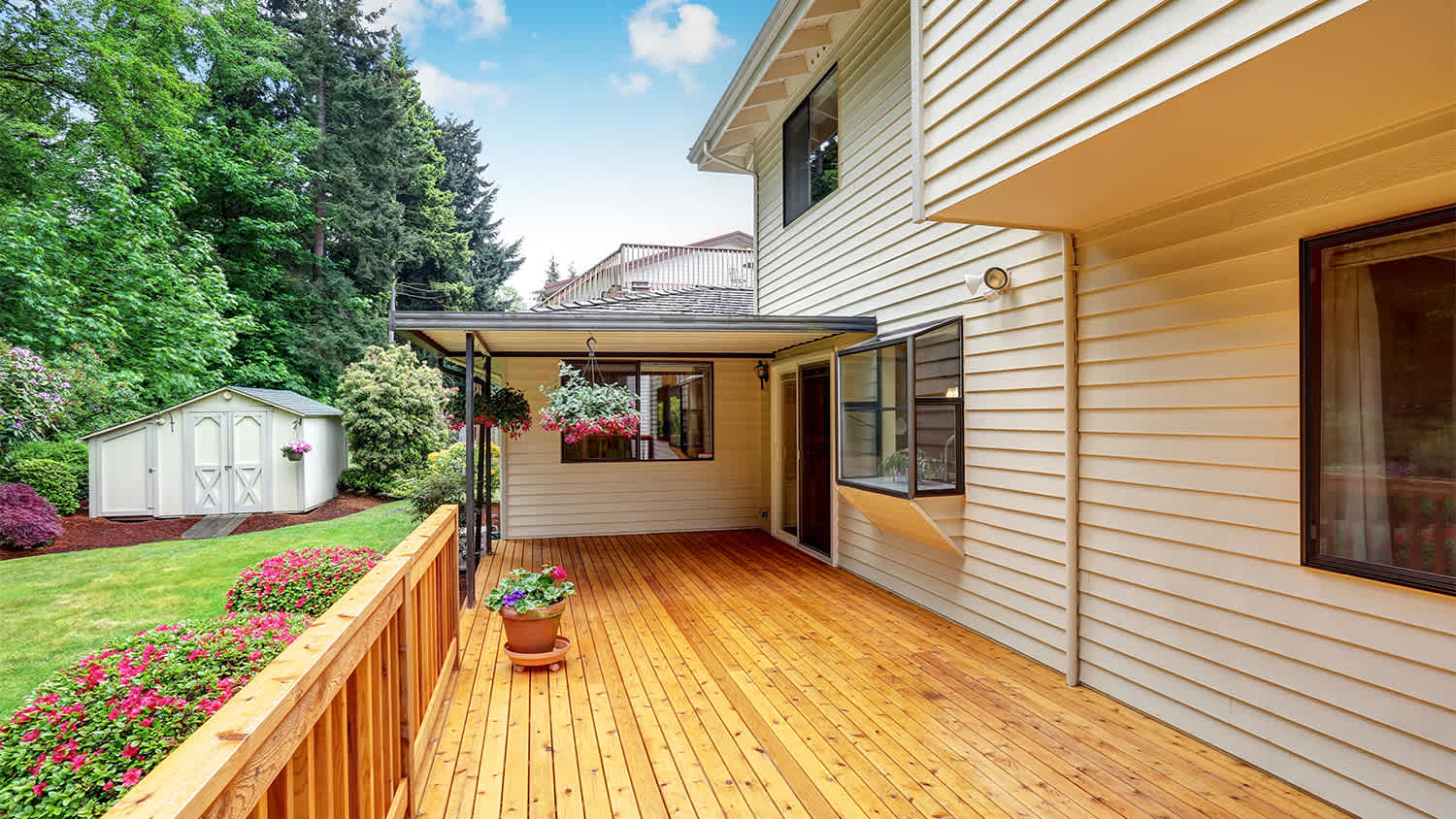
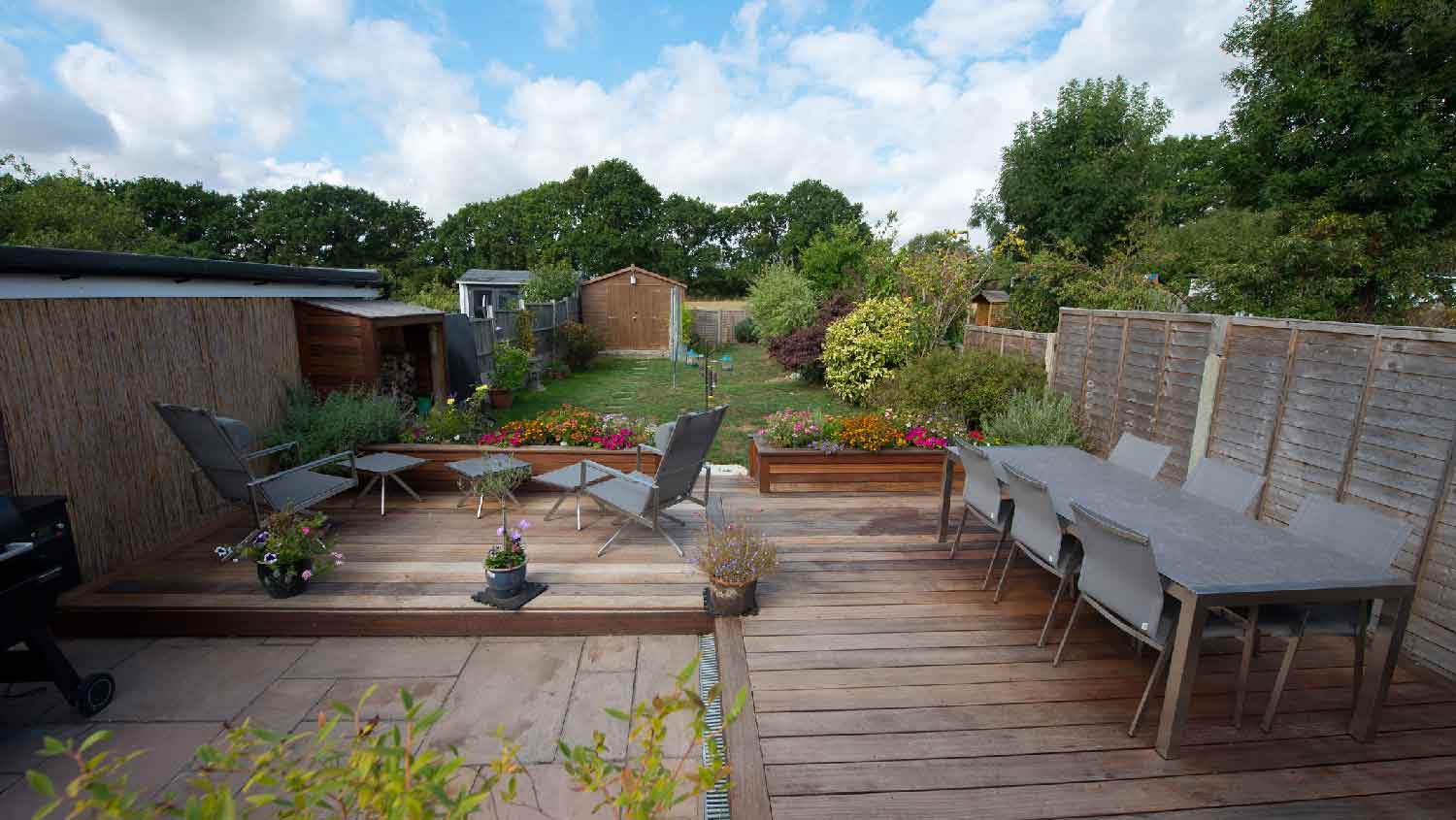
Yes, you must thoroughly clean your deck before staining. If you don't, dirt, debris, grease, and mildew can get trapped between the wood and the new stain. This not only looks unsightly but also prevents the stain from penetrating the wood properly, reducing its ability to protect the deck from weather and UV rays. As a result, the stain won't last as long or look as good. Any existing mold or mildew left untreated can continue to grow beneath the new stain, potentially leading to wood rot and structural damage. Always wait at least 48 hours after cleaning for the wood to dry completely before applying stain.

You’ll need to wait until the surface is completely dry, which can take anywhere from 24 to 48 hours under optimal conditions. The waiting period depends on several factors, including the type of siding and the weather conditions. Trying to paint before the surface is completely dry can trap moisture under the paint, leading to bubbling, blistering, and mold growth.

Staining or sealing a cedar deck or fence is highly recommended to extend its lifespan and protect it from the elements. While cedar is naturally resistant to mold and mildew, it is not impervious to damage from moisture, sun exposure, splintering, fading, and rot over time. Applying a protective finish creates a shield that preserves the wood's strength and appearance, potentially extending its life by five to 10 years.

When choosing a finish, it's helpful to understand the difference between a sealer and a stain. A sealer sits on top of the wood, whereas a combination stain and sealer soaks into the top layer. Because it penetrates the wood, a stain generally offers better protection against UV damage and rot and lasts significantly longer. For the best results that also preserve the wood's natural color, consider using a near-translucent stain.

To maintain protection, plan on reapplying the stain or sealer every two to three years, either as a DIY project or by hiring a professional.

Whether to brush or roll stain on wood depends on the project and your preference. Brushing is ideal for smaller, intricate areas and offers more control over the application, ensuring thorough coverage and penetration into the wood's grain. 

Conversely, rolling is efficient for more extensive, flat surfaces and can save time. However, it is not always the best fit for textured or uneven wood. Some projects may benefit from combining both methods, using a brush for detail work and a roller for broader areas. Ultimately, the choice between brushing and rolling depends on the specific requirements of your staining project.

The Glenwood, IL homeowners’ guide to deck staining services

From average costs to expert advice, get all the answers you need to get your job done.