





Top-rated deck staining pros.

Get matched with top deck staining pros in Ford Heights, IL

Enter your zip and get matched with up to 5 pros

Need a pro for your deck staining project in Ford Heights, IL?

Select your specific project to find the pro for you.

TRUSTED BY FORD HEIGHTS, IL HOMEOWNERS

  • Average homeowner rating star icon4.2
    Average homeowner rating
  • Verified reviews icon132
    Verified deck staining services reviews

Find Deck staining pros in Ford Heights

...
Showing 1-10 of 396
Deck Staining questions, answered by experts

Ultimately, overapplication of stain can compromise the deck's appearance, durability, and longevity. It may result in an uneven finish, with excess stain pooling, dripping, or drying into thick patches. It can also obscure the wood's natural grain and texture, detracting from the desired aesthetic. Moreover, excessive staining may not fully penetrate the wood, leading to poor adhesion and premature wear. Additionally, thick layers of stain are prone to peeling, cracking, and blistering as they struggle to bond with the surface. 

Applying a sealer or topcoat after staining wood is highly recommended, though not always strictly required. A sealer protects the wood from moisture, UV rays, and weather-related issues, which is especially important for outdoor surfaces like decks and fences. It also enhances the stain's durability, prevents fading over time, and gives the wood a cleaner, more professional-looking finish. For some indoor applications, a sealer may not be necessary, depending on the type of stain used and the level of protection needed. It's always best to check the stain manufacturer's recommendations and consider the wood's intended use and exposure when deciding whether to apply a sealer.

Yes, pressure-treated wood can occasionally turn green due to certain preservatives, such as copper-based chemicals, used during the treatment process. These chemicals react with the wood, creating a greenish tint. The good news? It's temporary, and the color will fade over time. Staining or painting can also help hide any unwanted hues.

It’s necessary for paint to completely dry before exposure to rain, and that drying time varies by the type of paint used. Oil-based paint takes 6 to 8 hours to dry on average, meaning that’s the minimum time needed between the last brush stroke and the first raindrop. Latex paint dries faster at around 1 hour, and acrylic paint is even quicker, usually drying in about 30 minutes. If rain is in the forecast, check the paint manufacturer's details before laying on a new coat. 
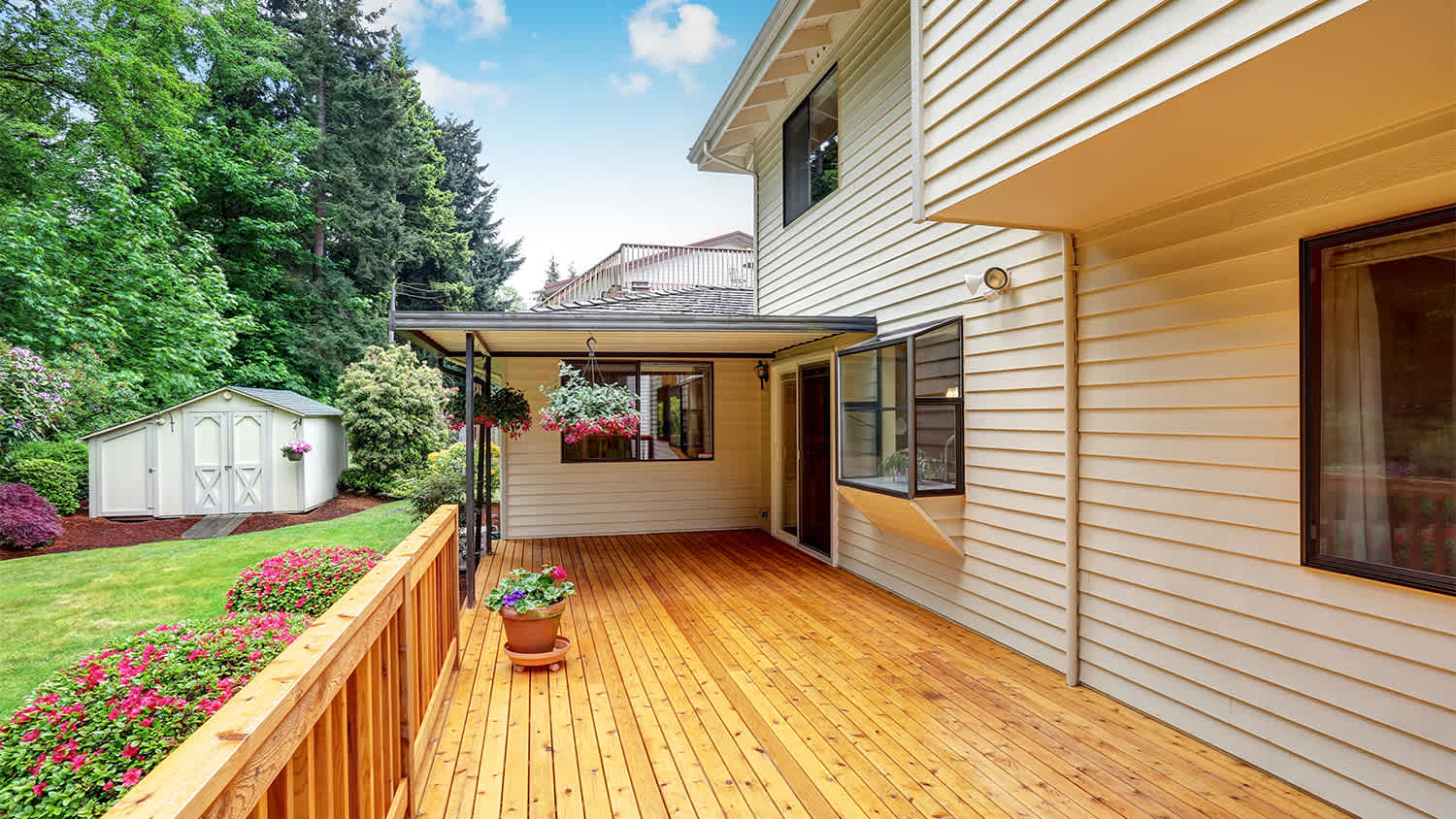
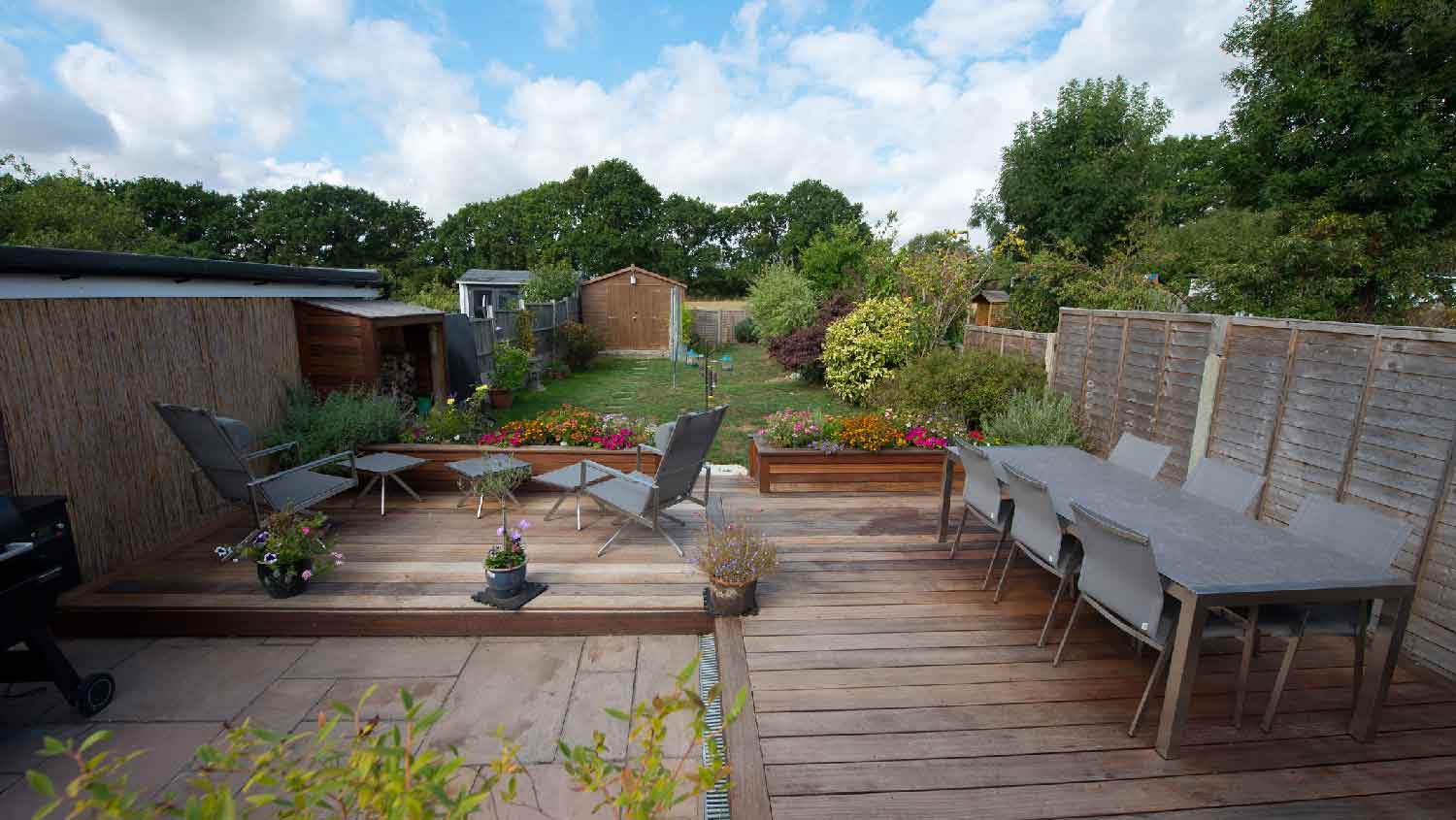
DIY staining or painting is manageable with proper preparation, including safety measures, necessary tools, and adherence to safe weather conditions for application.

The Ford Heights, IL homeowners’ guide to deck staining services

From average costs to expert advice, get all the answers you need to get your job done.