





Top-rated deck staining pros.

Get matched with top deck staining pros in Lynwood, IL

Enter your zip and get matched with up to 5 pros

Need a pro for your deck staining project in Lynwood, IL?

Select your specific project to find the pro for you.

TRUSTED BY LYNWOOD, IL HOMEOWNERS

  • Average homeowner rating star icon4.2
    Average homeowner rating
  • Verified reviews icon132
    Verified deck staining services reviews

Find Deck staining pros in Lynwood

Avatar for Precise Painting and Restoration
Precise Painting and Restoration
5.0(
100
)
Exterior Home or Structure - Paint or Stain: MediumExterior Home or Structure - Paint or StainExterior Home or Structure - Paint or Stain: Large

Serving Lynwood, IL and surrounding areas

Approved

In business since 2002

Free estimates

Emergency services offered

"I highly recommend Juan and his crew. They painted my garage and 2 story home. Juan and his crew were prompt, polite, very professional. They answered all my questions and as they worked, they addressed all the details of the project, as we had discussed. They kept their work area clean as they painted and cleaned up the work area completely when they were finished each day. They appropriately protected areas and items near the painting that they were not painting. Juan and his crew kept me up to date with the project as it progressed. Juan and his crew were a pleasure to work with."
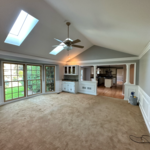
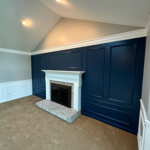
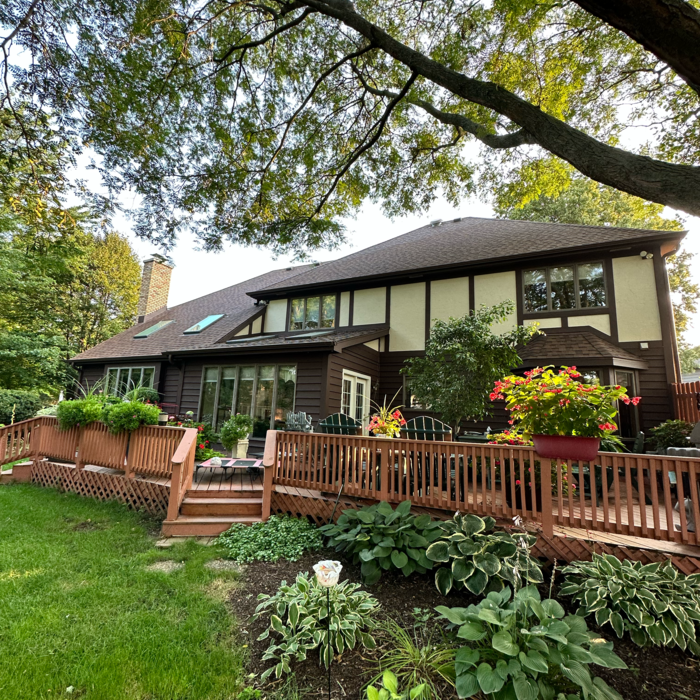
Additional Photos
Additional Photos
Additional Photos
Additional Photos
Additional Photos

+32

Response time1 day
Response rate100%
1 neighbors recently requested a quote
...
Showing 1-10 of 395
Deck Staining questions, answered by experts

It’s a good idea to sand your porch before painting. This will remove loose or chipped paint and debris, and give you a cleaner surface so that your new paint goes on smoothly. But if the existing surface is in good condition, it’s not necessary to sand your porch before you paint.

Staining or sealing a cedar deck or fence is highly recommended to extend its lifespan and protect it from the elements. While cedar is naturally resistant to mold and mildew, it is not impervious to damage from moisture, sun exposure, splintering, fading, and rot over time. Applying a protective finish creates a shield that preserves the wood's strength and appearance, potentially extending its life by five to 10 years.

When choosing a finish, it's helpful to understand the difference between a sealer and a stain. A sealer sits on top of the wood, whereas a combination stain and sealer soaks into the top layer. Because it penetrates the wood, a stain generally offers better protection against UV damage and rot and lasts significantly longer. For the best results that also preserve the wood's natural color, consider using a near-translucent stain.
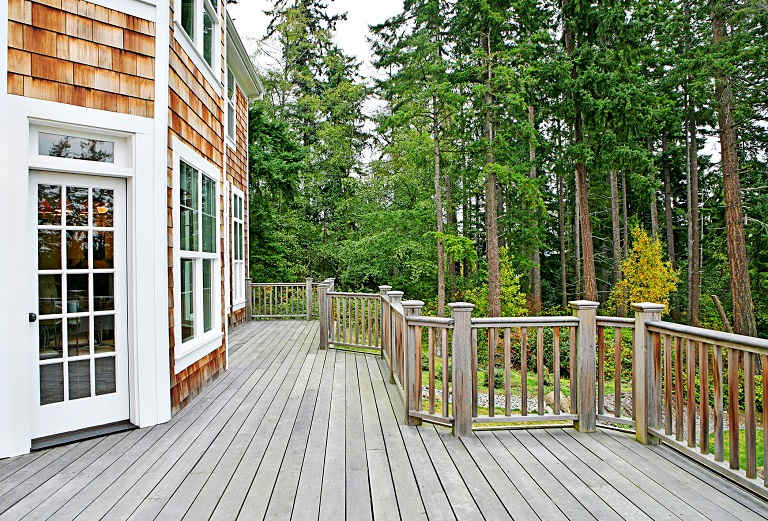
To maintain protection, plan on reapplying the stain or sealer every two to three years, either as a DIY project or by hiring a professional.

Hot, intense sunshine can cause your stain to dry too quickly, which could lead it to look uneven or patchy. If you’re staining the deck during hotter months, it’s best to do it in the morning or evening once the wood has had time to cool down. If you’re staining in cooler weather with less sunshine, the time of day won’t make as much of a difference.

Yes, you can and should paint or stain pressure-treated wood, as this helps prevent the surface from cracking. However, it is crucial to wait for the wood to dry out completely from the chemical treatment process before applying a finish. If the wood is still wet, the paint will not adhere properly. The drying time can range from weeks to six months. To test if the wood is ready, drip some water onto a board. If the water is absorbed, the wood is dry enough for painting or staining. If the water beads up on the surface, it needs more time to dry. You can build with the wood while it's still wet, but you must wait for it to dry before painting.

It’s best to use an exterior latex acrylic paint to promote maximum adhesion to composite decking. This flexible paint type can better cope with the natural expansion and contraction that can occur with composite deck boards. Oil-based paints won’t adhere as effectively and are more likely to crack and peel as the boards flex. Testing whether your chosen paint will stick on an inconspicuous section or a spare board is a good idea.

The Lynwood, IL homeowners’ guide to deck staining services

From average costs to expert advice, get all the answers you need to get your job done.