








Top-rated animal removal specialists.

Best animal removal specialists near Forsyth, IL

Enter your zip and get matched with up to 5 pros

Need a pro for your animal removal project in Forsyth, IL?

Select your specific project to find the pro for you.

Top-Rated Animal removal specialists in Forsyth - Updated Nov 2026

Animal Removal FAQs, answered by experts

The cost of pest control services depends on various factors, but the average homeowner pays around $175, with a typical range of $100 to $500. Your final cost will be influenced by the type of pest, the size and severity of the infestation, and the number of treatments needed.

Service costs also vary by frequency:

  • One-time service: $300–$550

  • Initial visit for ongoing service: $150–$300

  • Monthly visits: $40–$70

  • Quarterly visits: $100–$300

  • Annual visits: $300–$550

For specific pest examples, getting rid of spiders typically costs between $100 and $300, whereas a termite infestation can cost from $230 to $2,500 or more, depending on the extent of the damage.

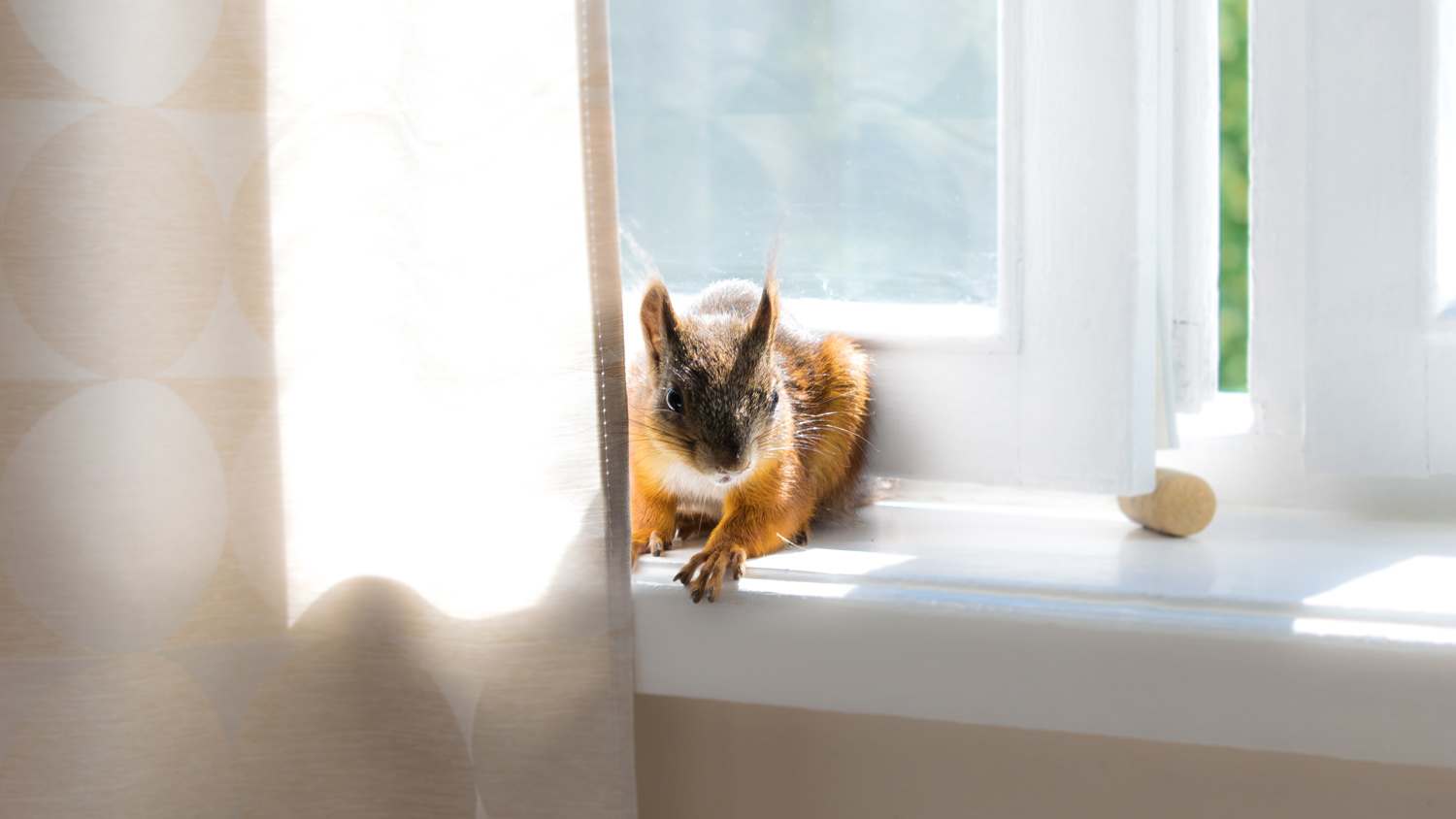
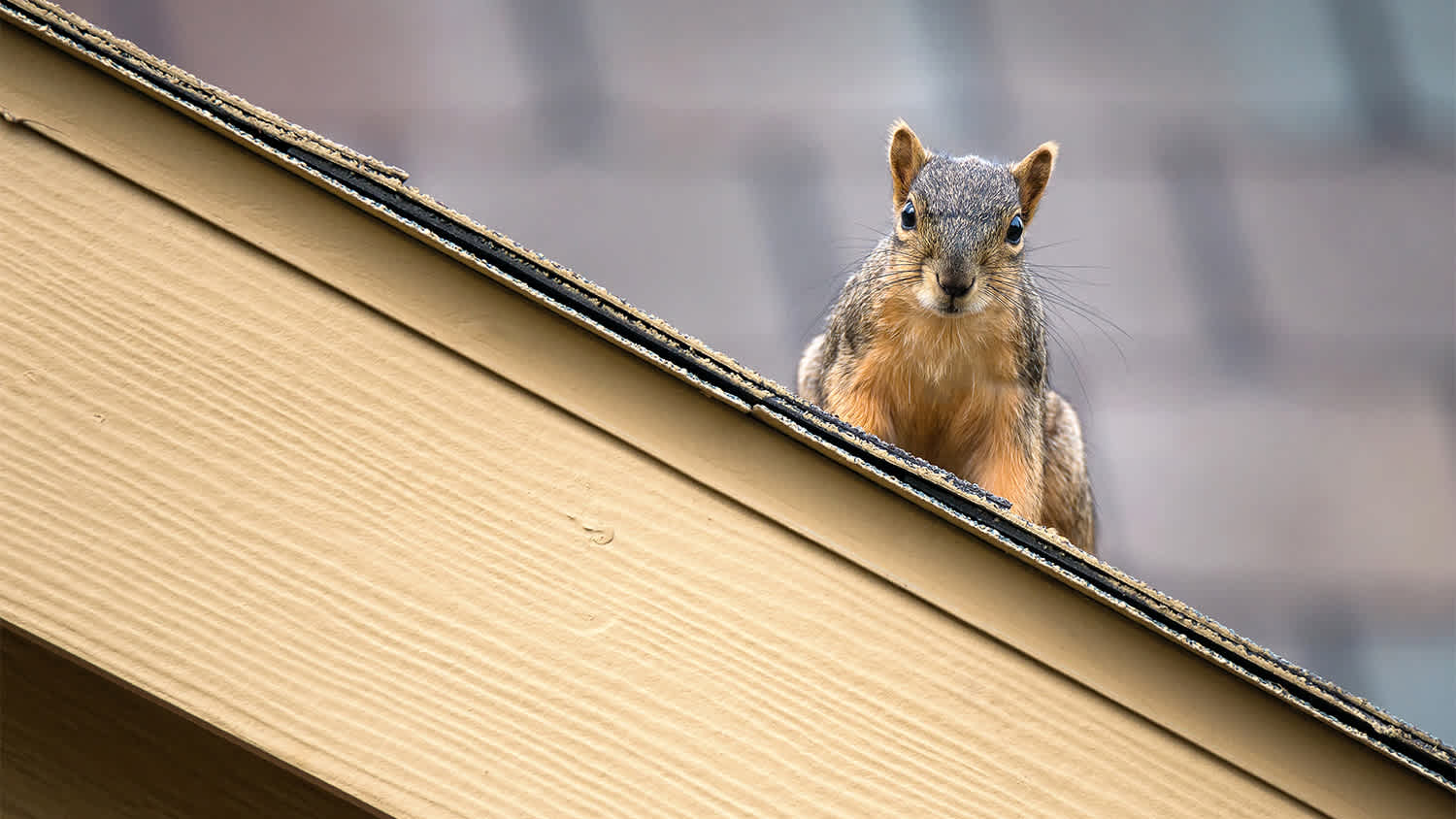
Unlike for rats and mice, poisonous baits and fumigants aren’t a legal option for dealing with squirrel invasions. So, don’t set any traps up using standard rodenticides. Remember that you typically need a permit for trapping and relocating squirrels found on your property. Some states even specify the types of traps you need to use.

Groundhogs love to eat a variety of plant matter. This includes beans, peas, sunflowers, tender greens such as leafy vegetables, clover, dandelion, and alfalfa, and sweet fruits such as apples and berries. Groundhogs eat up to a pound and a half of plant matter each day, so household gardens often become their prime target.

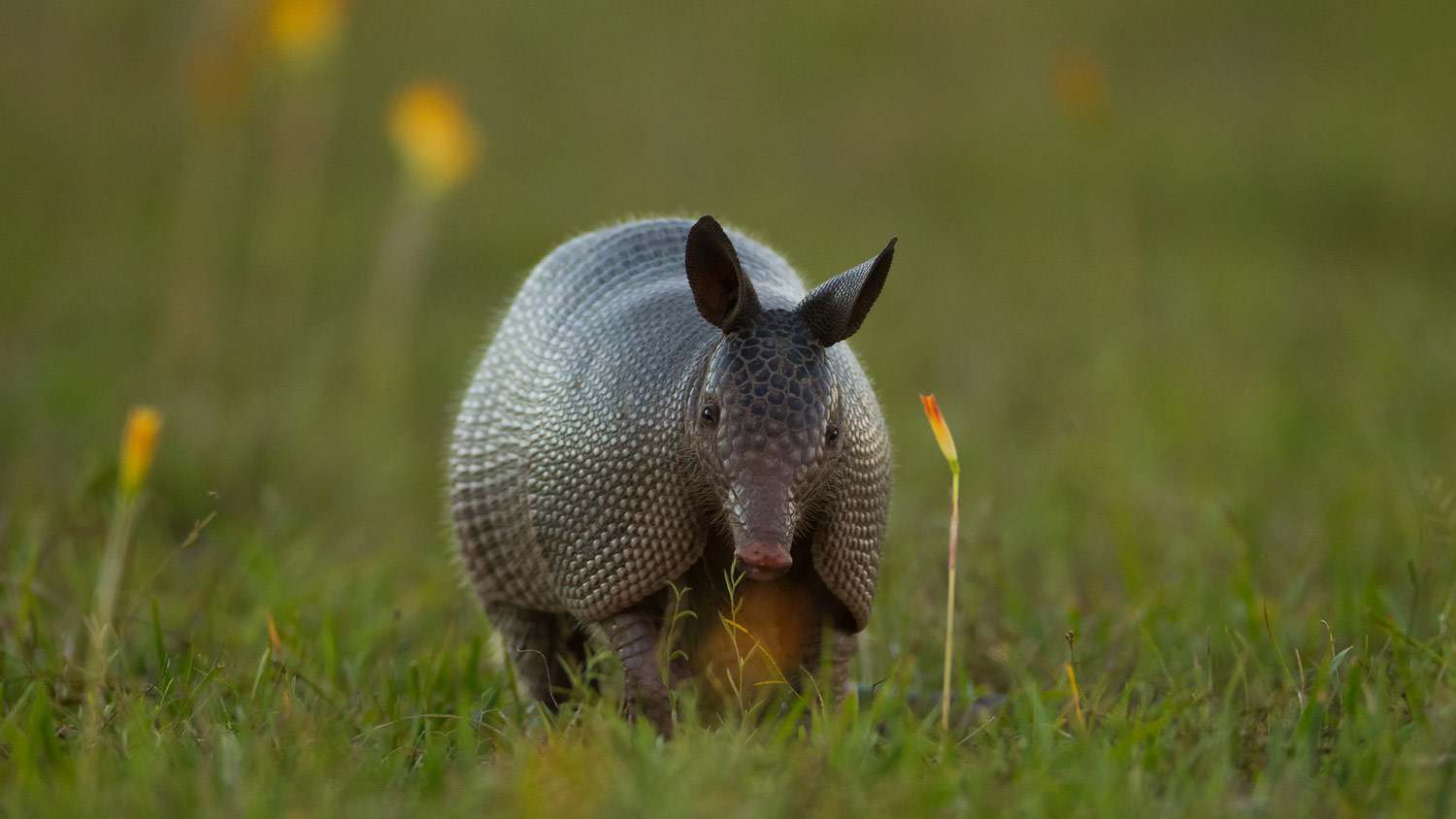
Armadillos are most active during cooler hours to avoid extreme temperatures, particularly the daytime heat in the warm climates where they live. This activity pattern helps them reduce the risk of overheating and dehydration. They are generally active from late at night to early morning, often between 2 a.m. and 5 a.m., but can also be seen around dawn and dusk. An exception to this is during mating season (June-July in the northern hemisphere, November-December in the southern hemisphere), when male armadillos may be more active than usual.

To keep deer from eating your trees, you can either put up barriers or install a deer repellant. Barriers that protect trees from deer include tree wrap or fencing. You can also plant deer-resistant trees to prevent deer from eating or scraping against your trees or garden with plants that deer don’t like to be around.

The Forsyth, IL homeowners’ guide to animal removal services

From average costs to expert advice, get all the answers you need to get your job done.