




Top-rated structural engineers.

Get matched with top structural engineers in Cuba, IL

Enter your zip and get matched with up to 5 pros

Need a pro for your structural engineering project in Cuba, IL?

Select your specific project to find the pro for you.

Find Structural engineers in Cuba

Avatar for Advanced Foundation Repair & Replacement
Advanced Foundation Repair & Replacement
5.0(
30
)

Serving Cuba, IL and surrounding areas

Emergency services offered

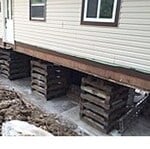
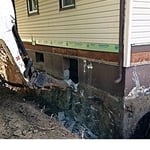
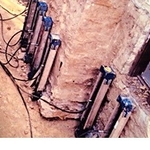
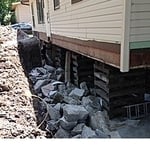
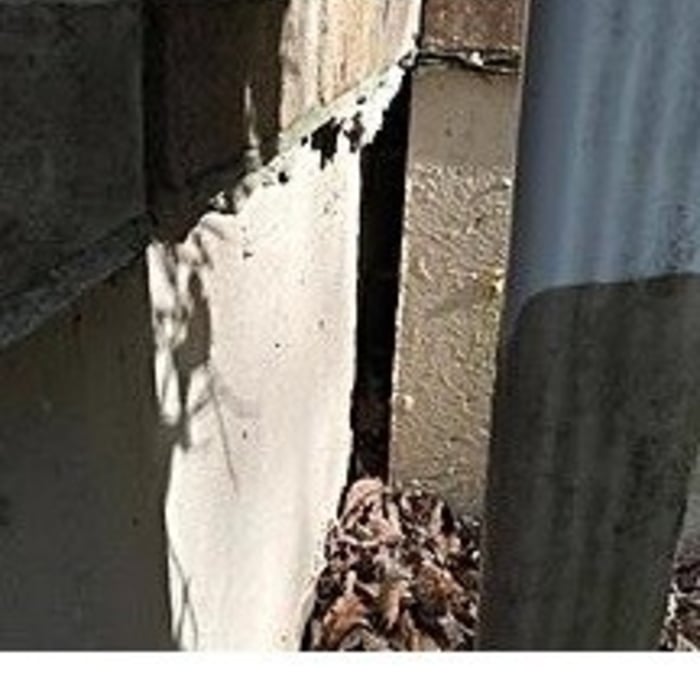
"Two years ago my wife and I noticed that our foundation was beginning to settle.  We had huge cracks in the dry-wall and our front door wasn't opening and closing properly. We decided to contact Advanced Foundation Repair and Replacement, owner Frank Matyiko.  He got a structural engineer to our house.  The engineer recommended that we needed twelve piers in order to fix our foundation.  the entire construction project went as planned.  Advance Foundation provided us with a transferable warranty in case we decided to sell our home. 
The overall experience was wonderful their crew was very professional and we would use them again and recommend them to anyone!!
"
Additional Photos
Additional Photos
Additional Photos
Additional Photos
Additional Photos

+2

Recommended by100%of homeowners
Structural Engineering questions, answered by experts

First, most contractors will have a structural engineer create a report and plan for your project to ensure it’s safe to cut into the load-bearing wall. The contractor will then excavate around the wall, if necessary, measure the opening—allowing for additional space to fit and level the door, and then cut the doorway out. They will likely install a steel lintel as a header over the door for support. Once the doorway is cut out, they’ll demolish the concrete using sledge hammers and masonry chisels, clean up the surrounding concrete, and seal around the door with masonry mortar. 

According to the Earthquake Country Alliance—a public and private alliance in California that works to improve earthquake and tsunami readiness—reports that unreinforced masonry, such as stone, bricks, and hollow clay tiles, is more susceptible to earthquake damage. The mortar between bricks isn’t as stable as other building materials and methods.

A freestanding brick wall that's only one brick thick can usually stand six to eight feet high. If you need a higher wall, it should be at least two bricks thick for adequate stability, and it might require a footing to support the added weight. Additionally, some areas have regulations and codes dictating how high a brick wall can be, so check with local code enforcers to ensure your proposed wall complies with any regulations.

The best way to determine if ceiling cracks are structural is to hire a ceiling contractor to inspect the cracks and provide a professional opinion. That said, you might be able to make an educated guess based on the size and appearance of the crack. Larger cracks, cracks accompanied by sagging or discoloration, and cracks that travel from the ceiling down the walls are all signs of structural issues.

It is not recommended to cut or drill into LVL (laminated veneer lumber) beams. As major structural components of a home, their composite structure can be compromised by alterations, which can weaken them and lead to cracking over time. If you must make modifications to an LVL beam, it is crucial to consult a structural engineer or general contractor first. A professional can advise on whether it's safe and provide specifics on the appropriate bit size, depth, and directionality for any necessary drilling.

The Cuba, IL homeowners’ guide to structural engineering services

From average costs to expert advice, get all the answers you need to get your job done.

What do you need done? We’ll find top pros.
  • 🌱 "Mow a small front yard"
  • 🛠 "Fix a leaking pipe under the sink"
  • 🏠 "Repair shingles on an asphalt roof"