





Top-rated insulation pros.

Get matched with top insulation pros in Chrisman, IL

Enter your zip and get matched with up to 5 pros

Need a pro for your insulation service project in Chrisman, IL?

Select your specific project to find the pro for you.
Insulation questions, answered by experts

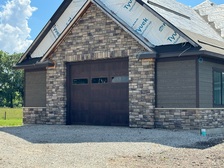
Without a doubt, insulating a garage door is a surefire way to make your home more energy efficient. Not only does insulating your garage door reduce your electric bills, but it also helps protect your valuables inside your garage, all while making for a quieter interior space. 

In regions that drop below 0 degrees Fahrenheit, your car's battery is at risk of malfunctioning in a garage that drops dangerously low. So, homeowners who reside in extremely cold climates can especially benefit from insulating their garages.

Yes, insulating ductwork in a crawl space is a worthwhile investment, especially if you live in a colder climate or run your air conditioning for most of the year. Uninsulated ducts can lose up to 30% of their heating and cooling efficiency, which can significantly impact your electricity bill. The project is a relatively small investment and typically only takes a few hours. It's a particularly simple add-on if you are already hiring someone to insulate the entire crawl space. An added benefit is that insulated ducts put off less hot or cold air, making them less attractive to pests.

It depends on your needs and preferences, though many homeowners think it is worth it. Not only is blown-in insulation easy to install, but it is highly efficient with thermal regulation. Most types are mold-resistant, flame-resistant, insect-resistant, and, most importantly, completely safe.

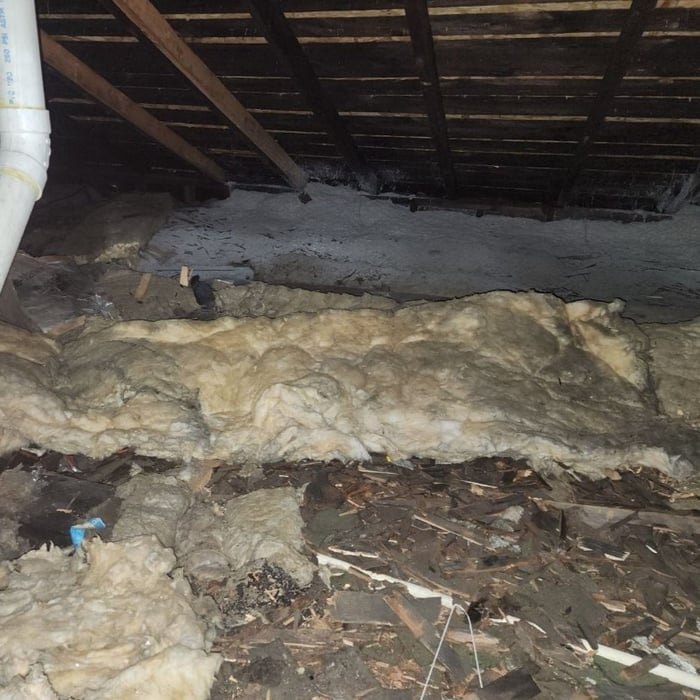
You’ve likely heard the saying “heat rises”—well, it’s true! This is why it is critical to properly insulate your attic and protect yourself from chilly winter nights. During summer, your attic insulation will also protect against excessive heat gain radiating through the ceiling into the rest of your home below.

The level of insulation is determined by both the material and the thickness of the door. Some garage door materials (such as wood) have natural insulating capabilities, while other materials (such as metal) do not. No matter the material, two-layer and three-layer garage doors have a higher R-value than single-layer garage doors, as insulation is fitted between the panels.