



Top-rated drapery cleaners.

Get matched with top drapery cleaners in Catlin, IL

Enter your zip and get matched with up to 5 pros

Need a pro for your drapery cleaning project in Catlin, IL?

Select your specific project to find the pro for you.

Find Drapery cleaners in Catlin

Drapery Cleaning questions, answered by experts

The best way to clean drapes or curtains depends on the fabric. Always check the care tag for instructions before attempting to wash them.

You can typically clean drapes yourself if they are made of durable materials like cotton, cotton blends, polyester, or burlap, which can often be machine-washed. However, some fabrics can be hand-washed.

For delicate materials such as linen, silk, velvet, lace, sateen, or wool, it is best to hire a professional drapery cleaner. These fabrics are often dry-clean only and can be damaged, shrink, or be destroyed by machine washing or using the wrong cleaning solutions.

If the care tag is missing, the drapes are old, thin, brittle, or have existing damage like pulls or tears, it's safest to have them professionally cleaned. A professional will use the correct methods and solutions for a safe, deep cleaning.

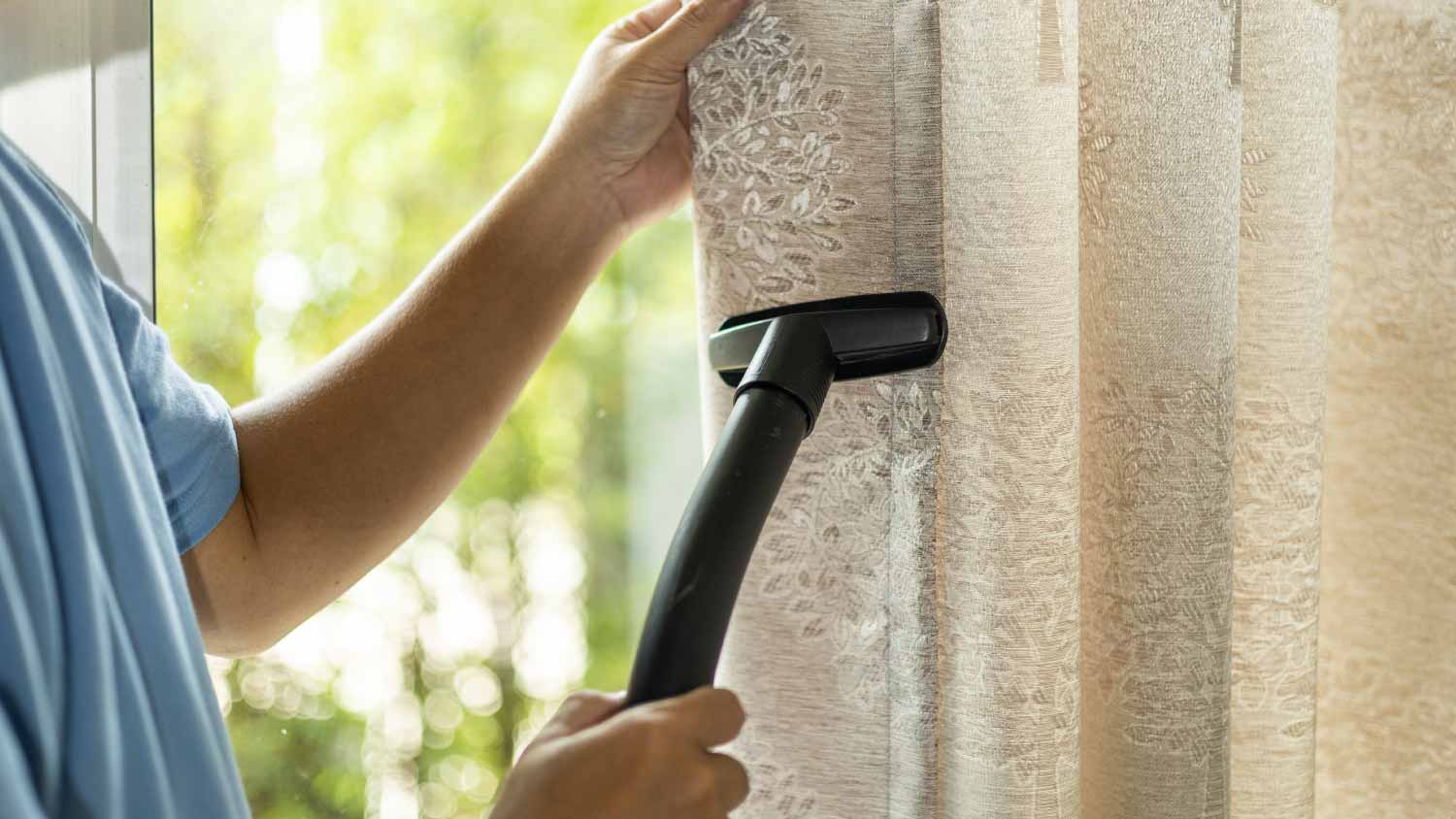
The recommended frequency for professionally cleaning drapes varies. As a general guideline, aim for every four to five years. However, you should consider more frequent cleanings in specific circumstances. For homes with pets, heavy soiling, or residents with severe allergies, cleaning every two to three years—or even two to four times per year—is beneficial. Light-colored drapes may need cleaning every one to two years to maintain their appearance. Some also follow a biannual schedule, cleaning in the spring to remove winter dust and in the fall to remove summer pollen. In between professional services, lightly vacuum your drapes with a special attachment to remove surface debris, but avoid abrasive brushes on delicate fabrics like silk and linen.

It’s a good idea to wash curtains every six months or so to avoid allergens from building up in them and to get rid of any odors from cooking, exercising, or pets. You might want to wash your curtains as often as every three months if you have multiple pets, someone in your family is highly allergic to dust or pet dander, or you cook often with aromatic spices or oils. You might consider a standalone cleaning if you get stains on your curtains or they are visibly soiled.

You should avoid using a pressure washer on any surface or item that could be damaged by the high-pressure spray, as some materials are too delicate to withstand the force.

Key items and surfaces to avoid include:

  • Electrical Components: Never pressure wash electrical systems, as water can cause short-circuits and create a safety hazard. This includes utility meters, breaker boxes, electrical outlets, generators, and HVAC or air conditioner units.

  • Delicate and Fragile Materials: Fragile items can crack, shatter, or be stripped by the pressure. Avoid pressure washing windows, glass, light fixtures, shingled roofs (especially asphalt), and stucco.

  • Painted, Stained, or Sealed Surfaces: Unless your goal is to strip the finish, do not pressure wash painted surfaces, stained wood (like decks), or anything with a protective seal that could be stripped away. Be especially cautious with older surfaces that may contain lead paint.

  • Soft Woods and Certain Decking: Delicate surfaces like softwood, composite decking, and antique or wooden patio furniture can be etched or damaged. If you must wash wood, use a lower-powered pressure washer with a wide-angle nozzle to prevent damage.

  • Living Things: Never use a pressure washer on people, pets, or plants. The force can cause serious injury and will destroy landscaping.

Methods include hot water extraction, dry cleaning, and hand washing for delicate materials.

The Catlin, IL homeowners’ guide to drapery cleaning services

From average costs to expert advice, get all the answers you need to get your job done.