





Top-rated generator install pros.

Get matched with top generator install pros in Bushnell, IL

Enter your zip and get matched with up to 5 pros

Need a pro for your generator install project in Bushnell, IL?

Select your specific project to find the pro for you.

Find Generator install pros in Bushnell

Avatar for Tri-State Water, Power & Air
Tri-State Water, Power & Air
5.0(
5
)

Serving Bushnell, IL and surrounding areas

Approved (Corporate)

In business since 1992

Free estimates

Emergency services offered

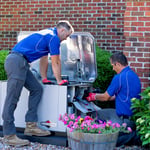
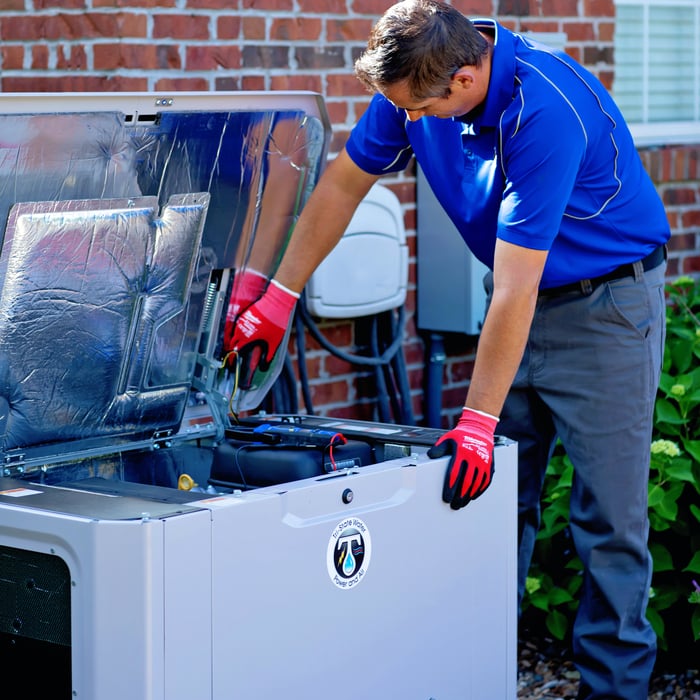
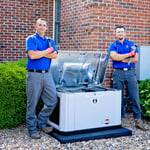
We are the experts in the field of Whole Home Generator Sales and Installation, with over 20 years of experience in the game.\nWe provide turn-key installation by licensed professionals - 24 hour emergency service - Remote Monitoring - Long term maintenance and service by factory trained technicians.
Additional Photos
Additional Photos
Additional Photos
Additional Photos
Additional Photos

+3

48 neighbors recently requested a quote
Avatar for Mangieri Electric
Mangieri Electric
New to Angi

Serving Bushnell, IL and surrounding areas

Free estimates

Emergency services offered

Warranties offered

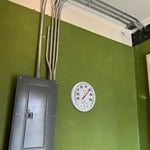
Mangieri Electric is a trusted, locally owned electrical contractor serving residential, commercial, and industrial clients. We specialize in new construction, remodels, service upgrades, backup generator installations, low-voltage systems, and preventative maintenance. Our licensed electricians are known for quality workmanship, honest communication, and completing jobs on time and on budget. Whether you need troubleshooting, a full electrical system, or a custom solution, we’re committed to powering your home or business safely and efficiently. We're proud members of ABC and hold to the highest standards of professionalism and safety.

Generator Install questions, answered by experts

As a safety measure, you should always turn off the main breaker while operating your generator’s backup breaker. In addition, you should also switch off all appliance breakers so you don't have a power surge when the main breaker turns back on. And finally, turning off the main breaker prevents back-feeding, which endangers utility workers with the risk of electrocution. Back-feeding could also destroy the electrical circuits of your neighbors if they use the same power network.

Sizing a generator is a careful process that requires calculating the electrical load of your entire house. You have to take into account every device you want to use and their wattage requirements, plus the wattage needed to start them, and look for a generator that can safely run all that at around 80% capacity.

In more practical terms, a small home can run on a 10,000-watt generator (and if you only want to power a few key appliances, much less than that). A mid-sized home may need something between 15,000 and 22,000 watts. Larger homes require 25,000 watts or more. 

The average cost to install a home generator is $5,200, but total costs can range from $500 to $18,000 or more. The final price depends on several factors, including the generator's size, type, brand, fuel source, and the cost of labor and assembly. The generator's size is the most significant cost factor, as units that can power larger homes with higher energy demands cost more.

Cost breakdowns by generator type are typically as follows:

  • Portable or Emergency Backup Generators (1kW–7.5kW): $500–$2,000

  • Partial-Home Generators (9kW–20kW): $2,000–$6,500

  • Whole-House Generators (22kW–48kW): $5,000–$18,000

To ensure you get the right size unit for your needs without overpaying, consider hiring an electrician to calculate the electrical load of your essential appliances. It is also recommended to get at least three quotes from qualified installers to find the best fit for your budget.

Energy output depends on turbine size, average wind speed at your site, and system efficiency. A 5 kW turbine in a good wind location can generate 8,000 to 12,000 kilowatt-hours per year, which may cover a large portion of an average home’s needs. Accurate output estimates require a professional wind assessment and a review of your household’s energy usage patterns.

Generally, you’ll want to keep between 60 and 70 feet between the generator and the transfer switch. There are a few reasons for this, including:

  • The distance reduces the noise coming from the generator into your home.

  • It increases efficiency because you won’t have a voltage drop from this short of a distance.

  • Prevents carbon monoxide poisoning: keep at least 15 feet between your generator and an open window. 

The Bushnell, IL homeowners’ guide to generator installs

From average costs to expert advice, get all the answers you need to get your job done.