







Top-rated energy efficiency auditors.

Get matched with top energy efficiency auditors in Ucon, ID

Enter your zip and get matched with up to 5 pros

Need a pro for your energy efficiency auditing project in Ucon, ID?

Select your specific project to find the pro for you.

Find Energy efficiency auditors in Ucon

Avatar for ID Inspections, LLC
ID Inspections, LLC
New to Angi
Home Energy Audit

Serving Ucon, ID and surrounding areas

In business since 2021

Free estimates

Credit card accepted

ID Inspections was started with the goal of preparing and informing our clients to give them more peace of mind in their decision to buy a new home. We understand how much time, energy, and money goes into the home buying process. That’s why our motto is: We Prepare. We Inform. We Give. \n

Response time5 hrs
Energy Efficiency Auditing questions, answered by experts

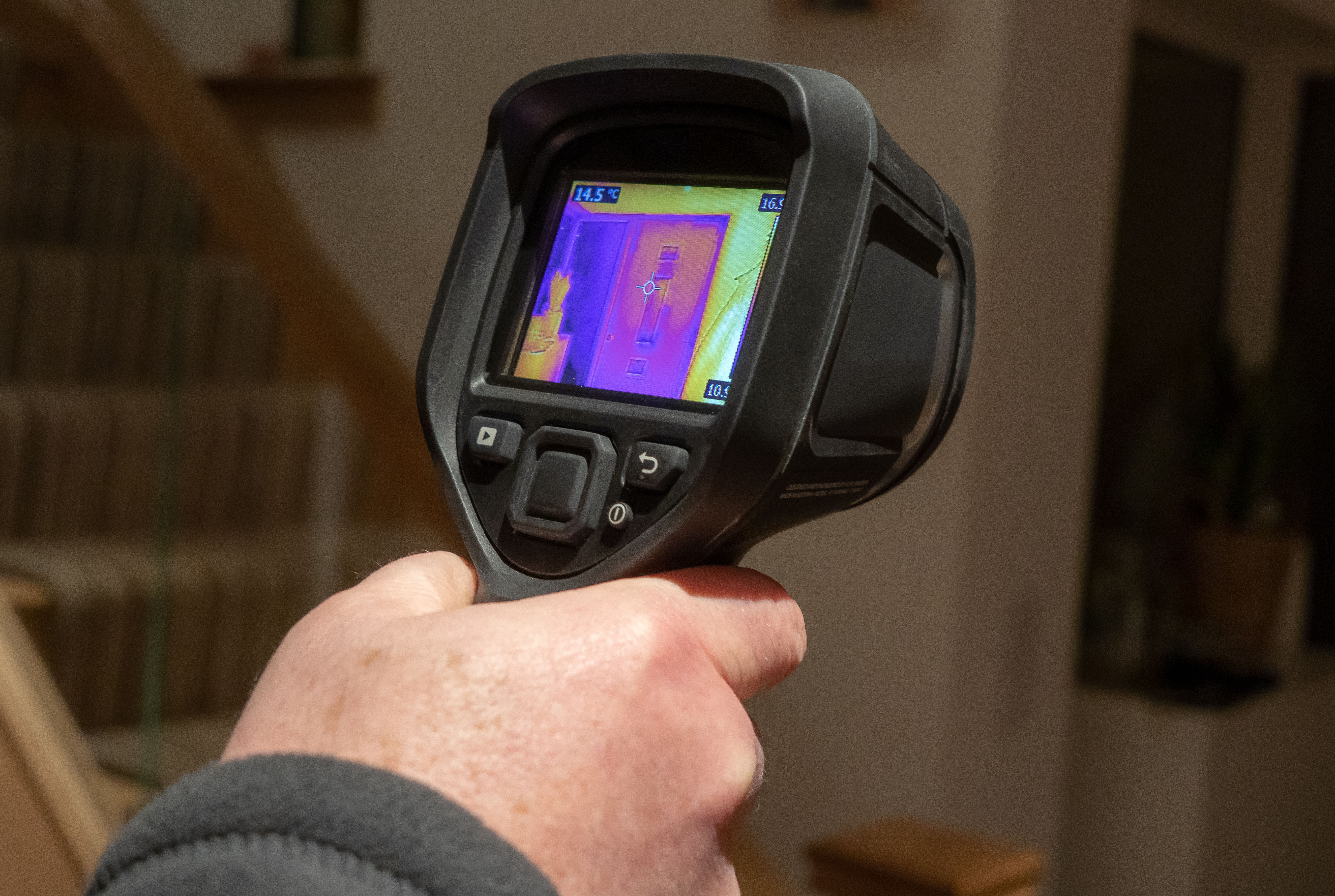
The difference between an energy auditor and a home inspector is primarily in the purpose of the inspection. The energy auditor conducts tests in your home to determine the energy efficiency levels in areas like windows, insulation, and doorways. The auditor then makes recommendations for ways to improve a home’s energy efficiency. 

A home inspector examines various structures of your home to determine that everything is up to code and gauge the condition of features like the roof, foundation, HVAC, and electrical. The home inspector reports on the overall home and makes repair recommendations.

String lights require electricity, but not an excessive amount, especially when compared to other lighting fixtures. LED rope lights, for instance, consume around one watt per foot. Running six or seven light strings simultaneously should only cost you around $10 to $15 each month. You can save even more money by remembering to turn off your lights during daylight hours. 

If you want a new boiler that’s going to help lower your fuel bills, you should buy one that has a high energy-efficiency rating. For example, a boiler that is rated “A” uses at least 90% of the energy created by the boiler. And in order to enjoy the best performance, it’s important to have it installed properly by a highly-rated tech.

Yes, installing an attic fan can help lower your electric bill—particularly if you live in a hot and humid region. By replacing hot and stuffy air with cooler air, these fans help regulate the temperature in your attic and the rest of your home, taking some of the pressure off of your air conditioner.

Dehumidifiers typically use 300 to 700 watts of electricity per hour, whereas portable dehumidifiers use about 40 watts per hour. The exact amount of electricity your dehumidifier will generate depends on its capacity and energy efficiency. Generally, higher-capacity dehumidifiers generate more electricity than lower-capacity units, but they also usually have better energy efficiency over the long run.

The Ucon, ID homeowners’ guide to energy efficiency auditing services

From average costs to expert advice, get all the answers you need to get your job done.