"As a realtor in Idaho my clients have hired Justin at Capstone Inspections for two different home inspections. Justin was very busy with other inspections but he managed to fit my clients in on short notice. He was very thorough with the home inspection and the report is extensive. These inspections have allowed the clients the opportunity to negotiate important repairs and a fair price based on the information that he provided. Thank you for your hard work."
At Ridgetop Homes we pride our company on reliability, great communication, integrity, and quality work. We strongly believe in giving our absolute best in all the work we perform. We are experts and will always keep you educated about the work process. We look forward to earning your business.
Lead Testing and Removal questions, answered by experts
While the EPA provides guidelines for homeowners to perform DIY lead paint removal, it is a risky process and generally not recommended due to serious health risks and strict regulatory requirements. The process requires precise safety precautions, such as wearing a respirator and protective eyeglasses, creating sealed exits, and using a HEPA vacuum for cleanup. To ensure the job is done safely, effectively, and in compliance with regulations, it is highly recommended to hire a professional lead abatement company. Certified professionals have the necessary training, experience, and specialized equipment (like chemical strippers and HEPA vacuums) to handle and dispose of hazardous materials safely.
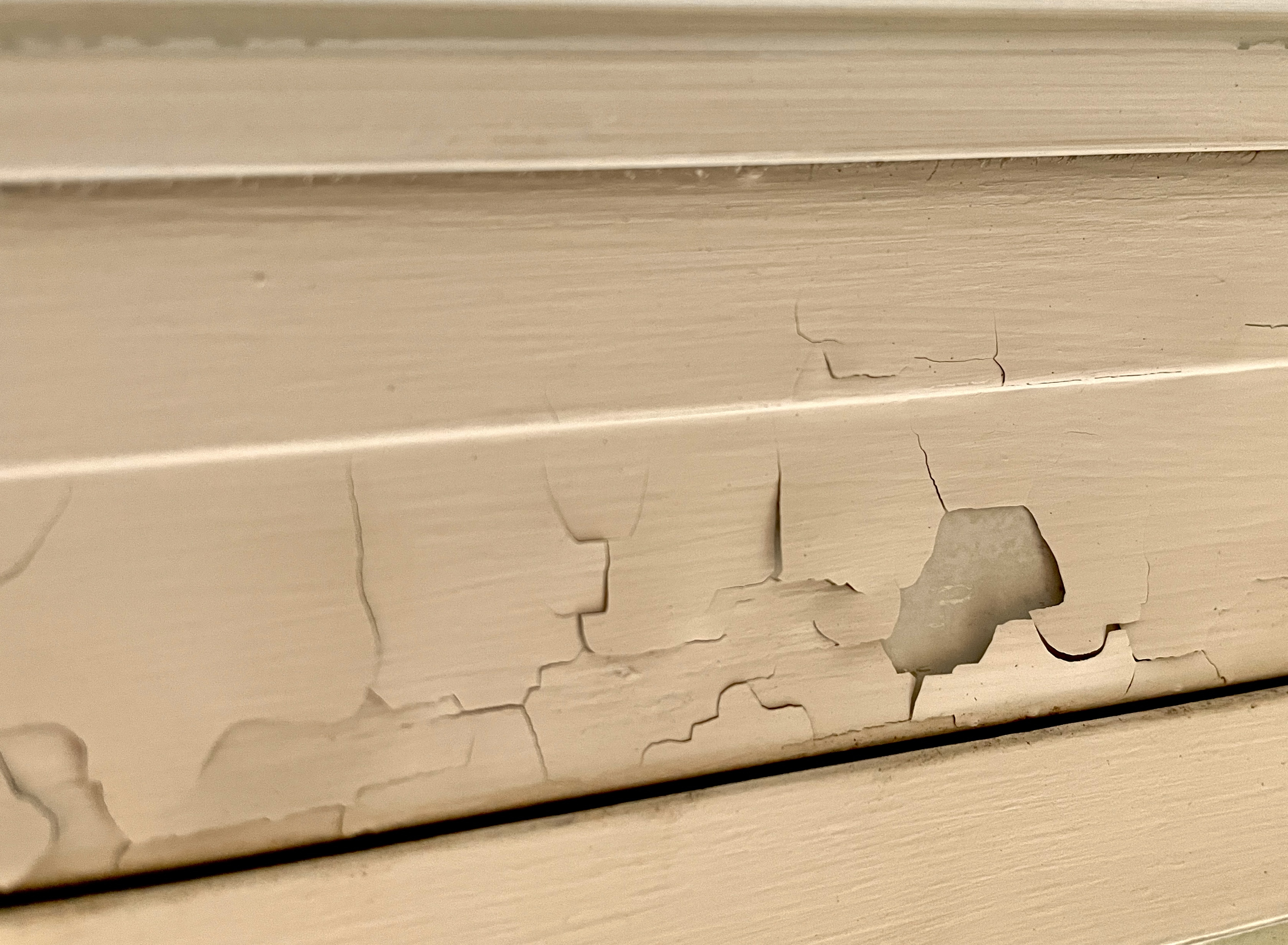
A lead paint inspection is a thorough examination and assessment of a building or structure to determine the presence of lead-based paint. Lead-based paint was commonly used in buildings before 1978 when its health hazards were fully understood. Lead is toxic and can pose health risks, particularly to young children and pregnant women. Getting a lead paint inspection means finding a lead paint inspector to examine the surfaces of the building—such as walls, ceilings, doors, windows, and other painted areas—and identify the presence of lead-based paint.
If lead is detected in a property, steps should include arranging for professional removal or containment, notifying all occupants, and implementing interim safety measures to reduce exposure.
A professional indoor air quality inspection takes anywhere from one to three hours, depending on the size of your home and the number of necessary samples. After the test, the specialist will discuss the findings, but you won’t get a full written report for 2 to 10 days, though you can ask your pro to expedite the process, if needed.
Several different measurements may be used to determine the amount of lead in water. The most common unit of measurement is micrograms per liter (µg/L), which is the same as parts per billion. Another measurement is milligrams per liter (mg/L), which is the same as parts per million.
The Oakley, ID homeowners’ guide to lead testing and removal services
From average costs to expert advice, get all the answers you need to get your job done.
Get expert insights on lead paint inspection costs, including key cost factors and ways to save. Learn what affects your estimate and how to budget effectively.
Learn how to hire a qualified lead testing professional for your home. Find certified inspectors, understand costs, and protect your family from lead hazards.