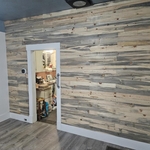
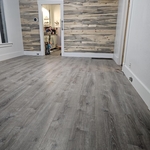
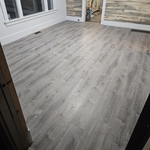
"My husband and I hired Total Detail Cleaning to clean our home after having some poor experiences with other cleaning companies. We couldn t have been happier with their service. We have them clean once a week and our home hasn t ever been cleaner. They don t just clean around things like our previous cleaners. They move everything and clean under and behind. They have exceeded our expectations!"
"Jeremy was fantastic. Extremely professional, knowledgeable. He installed our Schlage keyless door locks, hung our tv's and also hooks for coats in laundry room. He came prepared with all tools and everything he did was top notch perfect. We will ask Jeremy again for his services. I would recommend him to anyone as he has a wide range of experience for any home tasks or needs. Thanks again Jeremy!!!!! You were great."
Are there projects lingering in the back of your mind that you just don't have the time or ability to tackle? Wanting to get a fair price for the work that you are desperate to get done? Well, help is on the way. Our business is dedicated to providing property owners with professional home repair. Contact us for anything from painting to tile repair and installations. We are ready and able to help you check that pesky task off your "to-do" list!
We strive on bringing quality and affordability back to the trades.\nCut once measure twice. In our eyes the customer has the last say if they don't like it we fix it.
"Robert is an amazing resource for just about any residential or multi family housing maintenance or repair issue that comes up. He has a lot of experience, heâ s super friendly and respectful. He communicates clearly and has a ton of resources from which he gets parts and supplies from. 20 years ago Robert was helping me repair a toilet that was always running, I had a ceiling fan that was very noisy. It was probably 10 years old and I thought it probably needed to be replaced. Robert took a look made an adjustment and it ran quietly for another 20 years. Heâ s helped me with showers, stoves, furnaces, sheet rock, cabinets, hot water heaters, lighting and irrigation. He is a very handy man to know. ð ª"
We have been servicing Cascade and the surrounding area since 2017. We do a wide variety of tasks but specialize in painting and handyman type work. No job is too big or too small! Call for a free estimate today!
Welcome to Black Forrest Construction, we are a General Contracting, Framing and Restoration company. We build homes from South East Idaho to the Salt Lake area. We specialize in framing and managing home builds but we do have qualified team members who can help with all sorts of construction needs from interior to landscaping! Give us a call and see why we are the best of the best!
If you are looking for a log home restoration company to provide professional help, quality craftsmanship, and exceptional log home repair services. Summit Wood Systems is locally owned; owner operated and has been specializing in Log Home Restoration for over 25 years. We take the work and worry out of owning your dream Log Home or wood surface home. Our job here is to simplify your life and let you enjoy your home and its beauty without the hassle and worries.\nSchedule your checkup today, before you have major damage on your Log Home or wood surface home to repair. Let us take your care into our hands by handling your maintenance on your log home. Give Summit Wood Systems a call today for all your home improvement needs from a small repair to a complete renovation!\n
Fire Pit Installation questions, answered by experts
There are several strategic ways to lower your home insurance premium. The primary one is to shop around and get quotes every few years to make sure you’re getting the best deal. Also, sometimes bundling your auto and homeowner’s insurance will get you a discount on both. Finally, try to keep your credit score up; many homeowner insurance companies use credit scores to generate quotes.
Chimneys should either be sealed or waterproofed, which is different from sealing off—closing at both ends—a chimney. Waterproofing and sealing are both crucial steps to take to prevent water damage and the chimney leaking inside the house. While waterproofing is more comprehensive, both help safeguard your chimney, extending its life span and preventing expensive repairs.
Baking soda is an effective fire reduction method. However, flour and baking powder are very dangerous around flames. Flour is flammable and it can also conduct electricity. The combination can cause serious injury from electrical shock and worsen the situation by adding fuel to the fire. Baking powder is also not an option as it's also highly flammable.
Yes. It’s okay to leave a pellet stove on overnight, and these stoves can provide 24 to 48 hours of warmth from one ignition. However, you should practice proper pellet stove maintenance, like cleaning the burn pot before each use, deep cleaning the unit at least once per year, and running the fan when the stove is lit.
Start by checking the top or side edge of the door. Look for a certification label or metal tag stamped with details like the fire rating and information on the manufacturer. Even if it’s painted over, the tag should still be visible. Next, look along the edges for slim intumescent strips. They’re designed to swell up and seal gaps when exposed to heat. Finally, check if the door closes itself. Most fire doors have a self-closing mechanism, like an overhead closer or spring hinges. If none of these are obvious, contact a fire safety professional to help verify your door.
The New Meadows, ID homeowners’ guide to fire pit installation services
From average costs to expert advice, get all the answers you need to get your job done.
A fire pit installation costs $850 on average but can vary by size, fuel type, materials, and more. See how much you need to budget for a new fire pit.
Discover fire door cost data, including installation, materials, and tips to save. Learn what impacts fire door pricing and how to budget for your project.
Discover home fire sprinkler system costs, including installation, maintenance, and key cost factors. Learn how to budget and save on your home fire protection.
A fire pit adds attractive entertainment space to your backyard. Learn about standard fire pit dimensions and what factors contribute to fire pit size.