








Top-rated energy efficiency auditors.

Get matched with top energy efficiency auditors in Grace, ID

Enter your zip and get matched with up to 5 pros

Need a pro for your energy efficiency auditing project in Grace, ID?

Select your specific project to find the pro for you.

Find Energy efficiency auditors in Grace

Avatar for ID Inspections, LLC
ID Inspections, LLC
New to Angi
Home Energy Audit

Serving Grace, ID and surrounding areas

In business since 2021

Free estimates

Credit card accepted

ID Inspections was started with the goal of preparing and informing our clients to give them more peace of mind in their decision to buy a new home. We understand how much time, energy, and money goes into the home buying process. That’s why our motto is: We Prepare. We Inform. We Give. \n

Response time5 hrs
Energy Efficiency Auditing questions, answered by experts

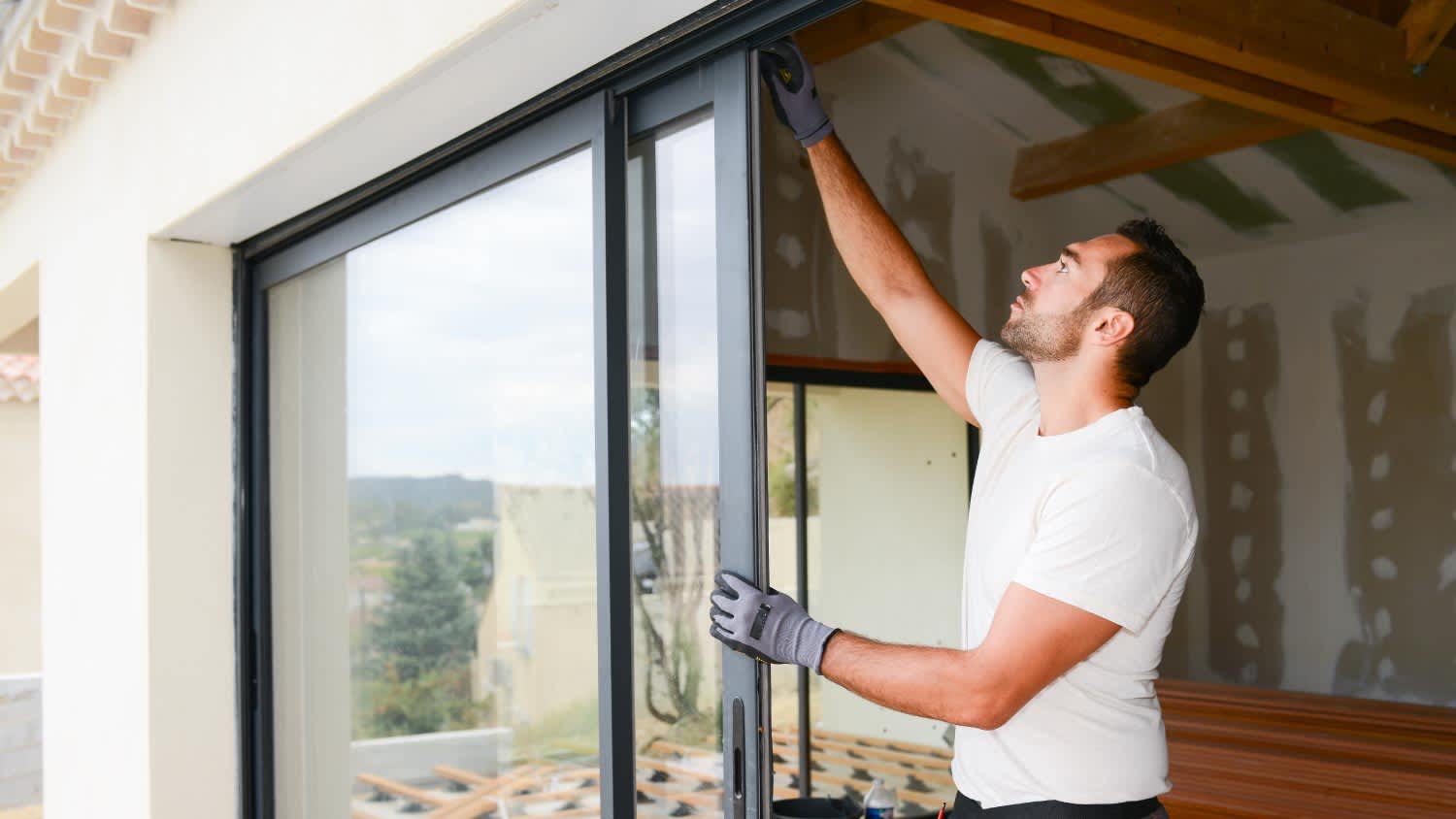
Energy-efficient windows are judged on their performance according to a few different factors, including heat transfer, air leakage, light transference, and condensation resistance. If you're unsure whether a window is energy-efficient, look for an ENERGY STAR® label from the U.S. Environmental Protection Agency (EPA). If various products, including windows, meet energy-efficiency standards set by the federal government, the EPA issues this label to help consumers identify energy-efficient products.

An average, 400-square-foot electric heated driveways consume approximately $3 per hour in terms of electricity. The price may slightly fluctuate depending on your local energy cost. A simple formula to calculate your heated driveway’s total wattage consumption is by multiplying the square footage by 50 watts and then dividing it by 1,000 to get the kilowatt number. Multiply that with your local energy cost per hour and there you have the hourly operating cost.

Dehumidifiers typically use 300 to 700 watts of electricity per hour, whereas portable dehumidifiers use about 40 watts per hour. The exact amount of electricity your dehumidifier will generate depends on its capacity and energy efficiency. Generally, higher-capacity dehumidifiers generate more electricity than lower-capacity units, but they also usually have better energy efficiency over the long run.

Motion-sensor lights use one watt while on standby and five watts while turned on. They’re usually on for one hour over a 24-hour period, bringing the total wattage to about 28 watts per day. LED lights use around 6.5 to 8 watts while on. If you leave an LED light on all night, with night ranging from 10 to 14 hours, you’re looking at using 65 to 112 watts a night. You can minimally cut your wattage in half by switching to a motion-sensor light.

DIY is possible with basic tools. Professional audits provide comprehensive assessments and tailored recommendations.

The Grace, ID homeowners’ guide to energy efficiency auditing services

From average costs to expert advice, get all the answers you need to get your job done.